Solo salad-and-produce shopper
If salad leaves are a regular part of your shop, check whether the drawer holds your usual bag or container without awkward stacking. Adjustable shelves can help you arrange the remaining groceries around it.


For one person whose main priority is salad leaves and other fresh food, start with a compact larder fridge that has a drawer large enough for your usual produce. Choose a fridge with freezer space if you will use it, and consider a built-under model only if its installation requirements match your kitchen. A produce drawer helps organise food, but it does not replace suitable chilling or the salad’s use-by date.
If salad leaves are a regular part of your shop, check whether the drawer holds your usual bag or container without awkward stacking. Adjustable shelves can help you arrange the remaining groceries around it.
In a compact kitchen, the fridge needs to fit with enough room for its door to open and for the ventilation specified by its manufacturer. A small-looking appliance is not necessarily a suitable fit.
If you keep frozen ingredients or portions, freezer space may matter more than maximising chilled storage. Check that the remaining fridge space still accommodates your usual fresh-food shop.
Decide how much chilled produce space you need before choosing a freezer compartment or installation format. Then check the drawer and the appliance’s fit against the exact model, rather than relying on its overall size.
| Concern | What to check | Who this matters to |
|---|---|---|
| Chilled salad storage | Check the actual fridge temperature after installation and whether ready-to-eat salad can be kept separate from covered raw food. | I want salad leaves kept chilled and away from drips from raw food stored in the same fridge; around 42% of consumers put safe chilled storage and separation first. |
| Kitchen fit and drawer space | Measure the appliance space, door swing and required ventilation; check that your usual salad bag or container fits the drawer. | My kitchen has limited room, but the produce drawer still needs to hold what I buy; roughly 33% of consumers make practical fit their primary concern. |
| Freezer and running needs | Compare chilled and frozen capacity where applicable, alongside declared energy use and noise for similar appliance types. | I also keep frozen food, so I need to balance that space against room for fresh groceries; around 25% of consumers prioritise this wider storage and running-needs trade-off. |
A drawer can separate and organise produce, but it cannot extend a labelled use-by date. NHS guidance says pre-packaged salads should be kept chilled and eaten before that date.
Follow the pack instructions. Leeds Teaching Hospitals NHS Trust advises a fridge temperature of 0–5°C in its food-safety guidance for immunocompromised patients; keep covered raw food below ready-to-eat salad.
A fridge may fit beneath a worktop yet leave too little room for the door to open or for the airflow its instructions require.
Measure the space and door swing, then check the chosen model’s installation instructions for its ventilation clearances.
A freezer compartment takes up space that could otherwise hold salad leaves and other refrigerated food.
If you do not need to freeze food, consider a larder fridge. Otherwise, compare the chilled compartment and produce drawer with what you normally buy.
Energy Saving Trust notes that larger appliances often use more energy, even when they have the same rating. Capacity and the appliance type matter to the comparison.
Compare declared energy use, chilled capacity and noise between fridges that could each accommodate your shop and fit your kitchen.
Beko offers compact undercounter layouts relevant to a small produce-focused shop. Its UL4584 larder fridge has a salad crisper and adjustable shelves; its UR4584 adds a freezer compartment.
Bosch’s KTR15NWEAG is a 134-litre undercounter fridge with a Multi Box for fruit and vegetables. Bosch also describes VitaFresh produce storage on other fridges.
Liebherr has freestanding and integrated undercounter fridges with EasyFresh produce compartments. Its integrated URc 375i Prime specifies an 86–92 × 60 × 56.0 cm installation aperture.
These choices include compact larder fridges for chilled produce, a built-under fridge for a suitable kitchen unit, and a fridge freezer for someone who also needs frozen storage. Check the installation format and usable salad space before choosing between them.
 No image available
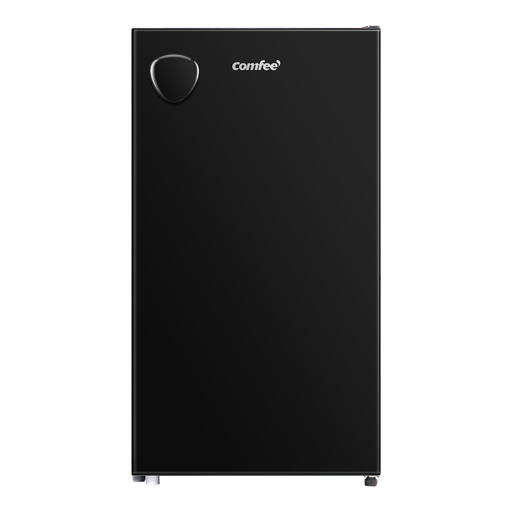
Consider this compact fridge if your main aim is chilled salad storage and you can fit your usual produce in its crisper. The listed model has an 88L capacity, removable glass shelves and a reversible door.
The cooler box is described as suitable for short-term use only; check its instructions rather than treating it as a substitute for a freezer. Check the required installation clearances and the fridge temperature after setup.
 No image available
Consider this built-under fridge if your kitchen is arranged for that installation and you want chilled space for produce rather than freezer storage. Confirm the cabinet and door requirements for this exact model before buying.
Check that its produce drawer accommodates your usual salad container, and measure the fridge temperature after installation.
 No image available
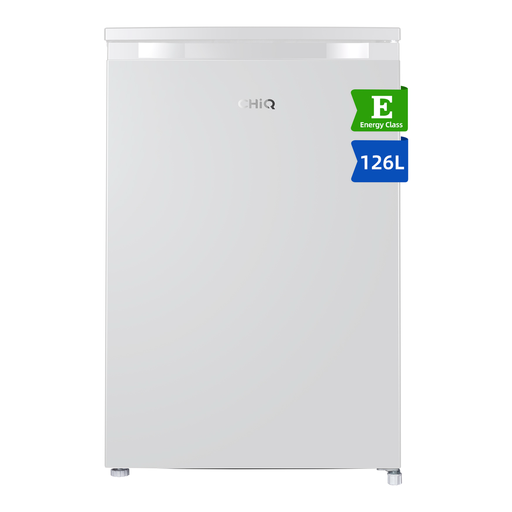
This larder format suits someone prioritising chilled food over freezer space. The product title specifies 126L capacity and a 55cm width; check the crisper against your salad bags or containers.
Allow for the installation clearances in the model instructions and check the fridge temperature after setup.
 No image available
Consider this larder fridge if you want undercounter chilled storage for salad and other groceries. Confirm the chilled capacity for this exact model before deciding how it compares with your usual shop, and check the crisper’s usable size.
Measure the installation space against the model instructions and check the fridge temperature after setup.
 No image available
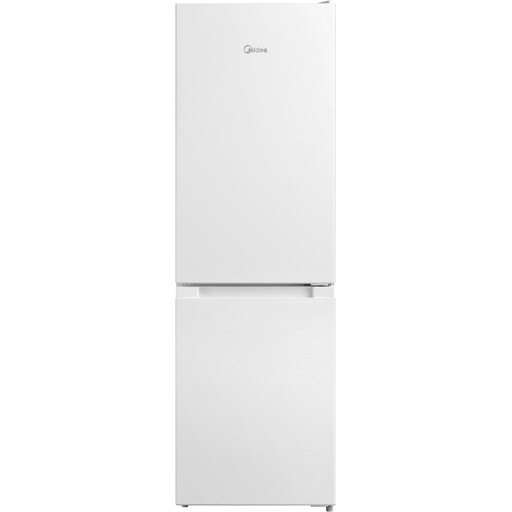
Consider this fridge freezer if you need space for frozen food as well as salad leaves. Its title specifies 173L total capacity and a 50cm width, but the separate fridge compartment must still fit your fresh-food shop.
This is a freestanding fridge freezer rather than an undercounter larder fridge. Check its full installation dimensions, the crisper’s usable size and the fridge temperature after setup.
Aim to keep the fridge at 0–5°C, as Leeds Teaching Hospitals NHS Trust advises in its food-safety guidance for immunocompromised patients. Check the actual temperature after installation and follow any more specific instructions on the salad pack.
No. A crisper helps organise produce but does not change the pack’s use-by date; NHS guidance says pre-packaged salads should be kept chilled and eaten before that date.
Choose a larder fridge if chilled produce space is your priority and you do not need to freeze food. If you do need frozen storage, compare the ice-box model’s chilled compartment and salad drawer with your normal shop rather than judging it by total capacity alone.
No. An integrated model needs a compatible cabinet aperture and door arrangement; for example, Liebherr specifies an 86–92 × 60 × 56.0 cm aperture for its URc 375i Prime. Check the exact installation instructions before treating either format as a replacement for the other.
Compare declared energy use, chilled capacity, noise and physical fit between suitable appliance types. Energy Saving Trust notes that larger appliances often use more energy even at the same rating, so a class letter alone does not tell you which size suits a one-person shop.