
24/7 Customer Support

Free returns

Same-day & Next-day Delivery

Quality Guaranteed

Unlock Your Welcome Offers: FREE Delivery | Up to 80% OFF | Free 30-day JoyPlus trial
Download the APP
An organised fridge is more than just a tidy sight; it’s a system that saves you time, reduces food waste and makes daily routines smoother. But the market for fridge organisers is flooded with options, and it's easy to end up with products that create more problems than they solve. As a Joybuy Product Recommendation Officer, my role is to help you see past the marketing and focus on what truly delivers value.
Before you buy, be aware of a few common pitfalls that lead to disappointment and wasted money. Many shoppers find their new containers are not as practical as they seemed.
To ensure your purchase is a lasting one, focus on a few key specifications. These are the non-negotiable features that separate a reliable organiser from a flimsy one.
The term BPA-free food containers is now a common sight, indicating the plastic is made without Bisphenol A. This is a good baseline for safety, but material quality goes further. Look for containers made from durable polypropylene (PP) or stainless steel.
A container's effectiveness hinges on its lid. The most reliable designs for airtight meal prep containers typically feature a combination of two elements:
Efficient design is about more than looks. For true functionality, consider how the organisers will fit into your space.
Based on these practical criteria, here are a few options from our catalogue matched to different household needs.
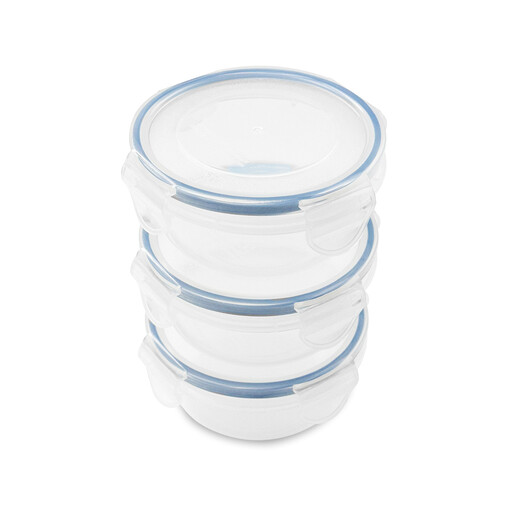
Why This Fits Their Persona: This set is ideal for portioning meals, sauces or snacks for the week. The compact 300ml size is perfect for lunches and the multi-pack format supports a batch-cooking routine. Being dishwasher safe simplifies the post-prep cleanup.
It directly counters the "airtight illusion" with a four-clip locking system and a high-quality silicone seal, ensuring a genuinely leak-proof closure for transporting liquids like soups or dressings.
The containers are designed to nest when empty, saving significant cupboard space. They are also freezer, microwave (with lid removed) and top-rack dishwasher safe.
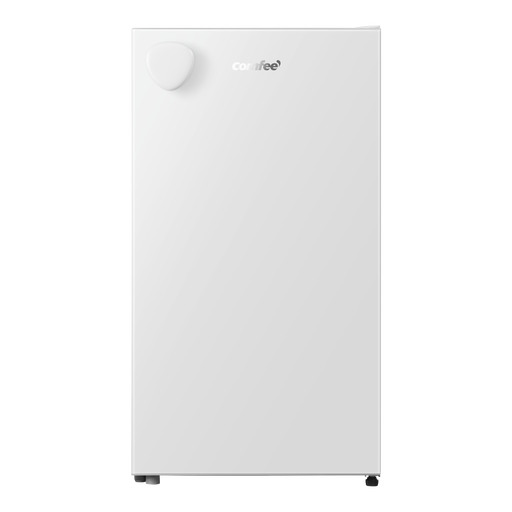
Why This Fits Their Persona: For those in studio flats, small offices or shared homes, the core problem is often a lack of cold storage space. This under counter fridge provides a compact 88L capacity that fits neatly under a worktop, offering essential extra room for fresh food and drinks.
It avoids the pitfall of buying an appliance that doesn't fit. With a reversible door, adjustable feet and a removable handle, it offers maximum flexibility for installation in awkward or tight spaces.
Features a dedicated crisper drawer to maintain humidity for fruit and vegetables, plus a separate cooler zone for chilling drinks quickly. The removable glass shelves allow for easy cleaning and customisation.

Why This Fits Their Persona: For those looking to minimise plastic use, this set offers a durable and reusable alternative. The 304 stainless steel construction is robust, resistant to corrosion and will not absorb food stains or odours, making it a long-lasting investment.
This set completely sidesteps the pitfall of brittle or warping plastic. The stainless steel body is exceptionally resilient to temperature changes (for cold storage) and physical knocks, ensuring it won't crack or lose its shape.
The material is non-porous and hygienic, making it easy to clean. The stackable design with secure-fitting lids helps maximise storage space in the fridge or a lunch bag.
We have compiled a complete, real-time list of products that fully satisfy these strict selection criteria and UK safety regulations.
Both have their merits. Glass is non-porous, won't stain or absorb odours, and can often go from the oven to the table. However, it is heavier and can break. Modern, high-quality BPA-free food containers made from plastic are lightweight, durable and often more affordable. The choice depends on your priorities: glass for its purity and heat resistance, or plastic for its convenience and portability.
The primary cause of fridge odours is improperly stored food and spills. Using truly airtight meal prep containers is the most effective solution, as they lock in odours and prevent cross-contamination between items like fish, cheese and onions. Regularly wiping down shelves and promptly cleaning up any spills also helps maintain a fresh environment.
BPA stands for Bisphenol A, a chemical that was once commonly used in the production of certain plastics. Concerns were raised about its potential to leach into food. A "BPA-free" label indicates that the product is manufactured without this specific chemical, which is a standard to look for when purchasing any plastic items intended for food contact.