Choose a fridge-freezer with a fridge temperature you can set and check, plus shelves that hold your usual dessert boxes and trays level. Compare fridge and freezer volumes separately so dessert storage does not crowd out everyday frozen food. A convertible compartment is worth considering if you would use the changing allocation; whichever layout you choose, check the exact model’s dimensions, energy information and installation requirements.
Who needs this storage?
Frequent chilled-dessert hosts
If you regularly store cheesecakes, panna cotta, tiramisu or prepared dessert trays, look for fridge controls you can check and shelves with room for flat containers. The Food Standards Agency’s research into domestic food storage makes temperature checking particularly relevant.
Batch-prep dessert makers
Preparing several portions ahead makes shelf spacing and access important: stacked tubs, shallow trays and tall containers may need different clearances. Compare the chilled compartment with the freezer space you still need for everyday food.
Fitted-kitchen replacement buyers
For an integrated replacement, cabinet fit comes before cooling features. Check the exact appliance’s niche dimensions, ventilation and door arrangement against the existing installation.
What matters when choosing?
Start with controllable chilled storage and space for the containers you use. Then compare the fridge-to-freezer split and kitchen fit before weighing the model’s energy and noise information.
| Concern |
What to check |
Who this matters to |
| Chilled temperature |
Check the exact model’s fridge controls and whether you can monitor the temperature with a fridge thermometer. Follow each dessert’s storage instructions and use-by date. |
When I regularly store cream or other dairy-based desserts, I want to check the fridge temperature rather than trust an untested dial position. Around 36% of consumers put temperature control first. |
| Usable dessert space |
Measure your widest and tallest boxes or trays; compare shelf adjustment, drawer clearance and fridge volume rather than total volume alone. |
If I prepare several desserts ahead, I need containers to sit level and remain easy to reach. For around 29% of consumers, usable fridge layout is the primary concern. |
| Kitchen fit and storage split |
Compare separate fridge and freezer volumes. Check installation dimensions and door clearance; integrated models also need compatible niches, ventilation and door fittings. |
Replacing a fitted appliance or keeping both chilled and frozen desserts makes the physical fit and compartment split decisive for me. Around 21% of consumers prioritise that combination. |
| Energy and noise information |
Compare the exact model’s energy class, annual consumption, declared noise and capacity together using its label and product information sheet. |
With the appliance running every day, I want to compare its stated energy use and noise before choosing a size. This information comes first for around 14% of consumers. |
Buying pitfalls
-
Assuming total capacity tells you whether dessert trays will fit
A total litre figure combines fridge and freezer space; it does not show shelf height, drawer shape or clearance around fixed fittings. A large appliance can still have an awkward place for your usual cake box.
Measure your regular containers, then compare the exact model’s internal layout, adjustable shelves and stated fridge volume.
-
Treating a freshness feature as a guarantee for every dessert
Named cooling systems and specialist drawers refer to model-specific features. A near-0°C drawer, for example, should not automatically be treated as the right place for a dessert with different storage instructions.
Check the model manual for the intended compartment and temperature settings, and follow the dessert’s packaging instructions. Manufacturer feature descriptions are not evidence that every shelf holds the same temperature.
-
Ordering an integrated replacement by appearance alone
Two integrated fridge-freezers may look similar but require different cabinet dimensions, ventilation or door fittings. An apparent exterior match does not establish installation compatibility.
Measure the niche and compare its width, height, depth, ventilation and hinge arrangement with the exact model’s installation instructions before ordering.
-
Comparing only the energy letter
The letter grade alone does not describe an appliance’s capacity, configuration, annual energy consumption or declared noise. Those details matter when comparing sizes that could meet different storage needs.
Use the exact model’s energy label and product information sheet to compare annual kWh, fridge and freezer volumes, sound level and dimensions alongside its energy class.
Brands to consider
These brands offer relevant fridge-freezer features, but the compartments, controls and installation conditions vary by model. Check the exact appliance rather than assuming a feature applies across a range.
Bosch
Bosch UK lists fridge-freezers with features such as separately controlled cooling and specialist storage drawers.
- Bosch UK lists a 279 L fridge compartment, 89 L freezer compartment, 39 dB(A) noise figure, NoFrost and two separately controllable cooling systems for the KGN39VWEAG.
- Its VitaFresh drawer is described as operating around 0°C. Check the drawer’s intended use and your dessert’s storage instructions before placing dessert containers there.
Samsung
Samsung UK offers conventional fridge-freezer layouts alongside selected models with convertible storage zones.
- For the RB38C607AB1/EU, Samsung describes separate air flows through Twin Cooling Plus and four temperature choices for its Smart Convertible Zone.
- Check that model’s selectable temperatures, usable compartment space and dimensions before relying on a convertible zone for desserts. Connected features require internet access and a Samsung account where specified.
Beko
Beko UK lists NoFrost fridge-freezers and selected models with configurable lower compartments.
- Beko describes AeroFlow as reducing temperature fluctuations and differences between shelves; treat that as a manufacturer claim for the models on which it is offered.
- Beko does not recommend using the CNG4692 fridge compartment in low ambient temperatures. Check the exact model’s guidance before choosing a garage or outbuilding location.
Miele
Miele UK lists freestanding and integrated fridge-freezers with model-dependent specialist storage and air-circulation features.
- Miele lists PerfectFresh Pro, DynaCool and NoFrost on the freestanding KFN 4397 CD; the integrated KF 7742 C is listed with PerfectFresh Pro and DynaCool.
- For an integrated Miele model, match the exact niche, door system and installation requirements before comparing its storage features.
Joybuy fridge-freezer choices
These freestanding models offer different overall sizes and fridge-freezer layouts for keeping chilled desserts alongside everyday food. Check the available shelf space and temperature settings against your own containers before choosing.
 No image available
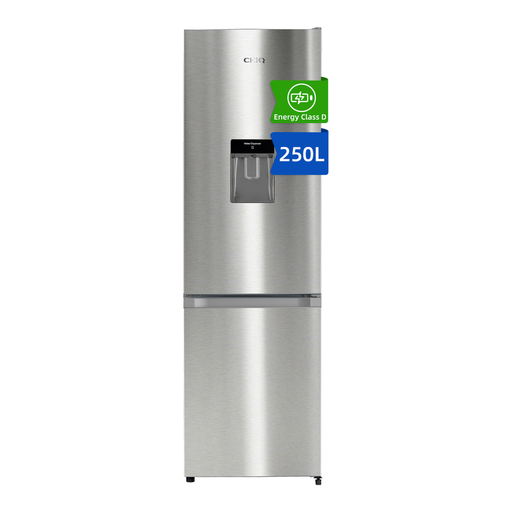
CHiQ JKR250WDSSD 250 L fridge-freezer with water dispenser
Consider this freestanding model if you need to plan dessert storage within a 54 cm-wide appliance. Its name specifies a 181 cm height, Total No Frost, a water dispenser and energy class D. Measure your dessert trays and check the fridge settings and shelf clearances for this exact model.
View on Joybuy
 No image available
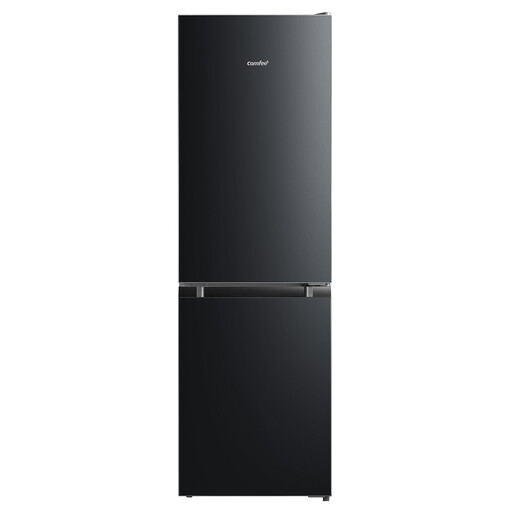
Comfee' RCB169BL2UK(E) 174 L fridge-freezer
For a kitchen where appliance height is a constraint, this freestanding model is stated as 150 cm tall. Its name specifies a 70/30 split, Low Frost, mechanical temperature control, a reversible door, 39 dB and energy class E. Confirm that your dessert boxes fit its shelves and that its controls provide settings suitable for their storage instructions.
View on Joybuy
 No image available
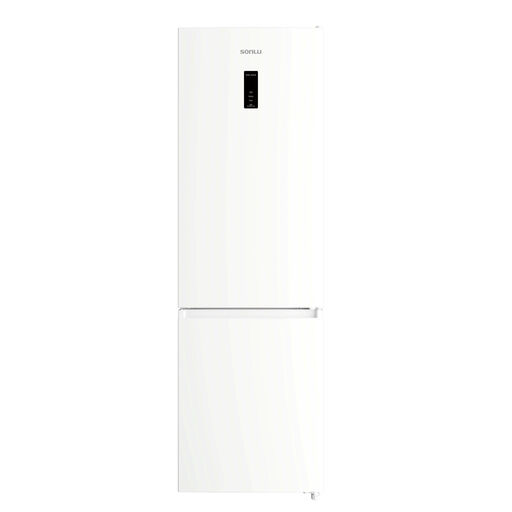
Sonlu CD-400RW 355 L fridge-freezer
Consider its stated split of 252 L for the fridge and 103 L for the freezer if you need room for chilled desserts alongside frozen food. Its name also specifies a 60 cm width, electronic temperature control, a reversible door and energy class E. Check the full installation dimensions, fridge shelf layout and available temperature settings before deciding whether trays will fit level.
View on Joybuy
 No image available
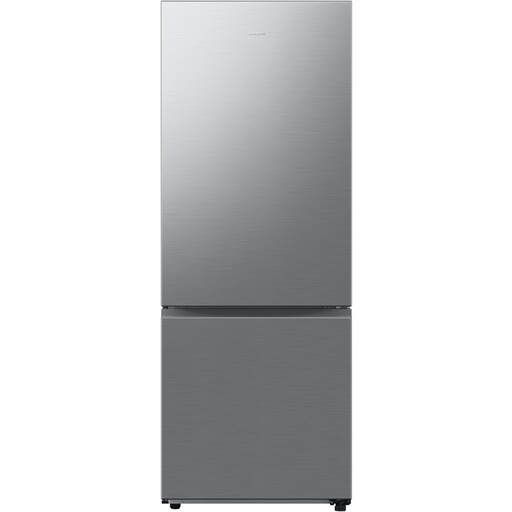
Samsung Series 8 RB53DG706AS9EU 538 L fridge-freezer
If you need a larger appliance for desserts and everyday food, compare this model’s internal layout with the containers you use. Its name specifies a 75.9 cm width, freestanding construction and energy class A. Check door-opening space, shelf clearances and fridge temperature settings for the exact model; capacity alone does not establish tray fit.
View on Joybuy
 No image available
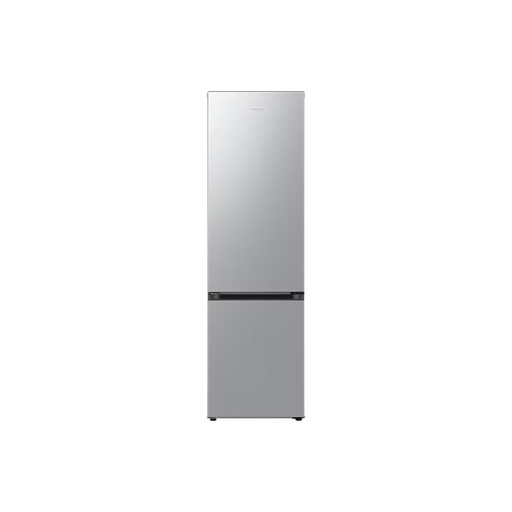
Samsung RB38C602ESA/EU 390 L fridge-freezer
For chilled desserts alongside regular frozen storage, assess whether this model’s fridge shelves can hold your containers without crowding. Its name specifies a 60 cm width, freestanding construction and energy class E. Check the exact fridge settings, internal clearances and installation space before purchase.
View on Joybuy
Frequently asked questions
What fridge temperature should I use for chilled desserts?
Follow the dessert’s label and use-by instructions, and check the fridge temperature with a thermometer rather than assuming a dial position is accurate. The Food Standards Agency reported that many households it observed had an average fridge temperature above 5°C, which underlines the value of checking the appliance in use.
Should chilled desserts go in a near-0°C freshness drawer?
Not automatically: use that drawer only if its stated temperature and intended use suit the particular dessert’s storage instructions. Check the appliance manual as well as whether the container fits without being crushed.
Which energy information should I compare before buying?
For products covered by UK energy-information requirements, compare the exact model’s energy label and product information sheet, including annual consumption and capacity rather than its letter grade alone. Guidance from the Department for Energy Security and Net Zero and the Office for Product Safety and Standards says products in scope must be supplied with an accurate printed energy label and accompanied by a product information sheet.
Can I keep a fridge-freezer in a garage or outbuilding?
Choose that location only if the exact model’s installation and ambient-temperature guidance permits it for the compartments you plan to use. Beko, for example, says the CNG4692 freezer compartment can operate down to -15°C with FreezerGuard but does not recommend using its fridge compartment in low ambient temperatures; that model-specific guidance should not be applied to other appliances.


