Regular pizza-dough batch freezers
Families making several portions ahead need to assess whether the freezer can hold their dough containers alongside everyday frozen food, with a layout that keeps both accessible.


Choose a fridge-freezer by its freezer-compartment space and layout, not its total capacity alone. A 50/50 split is worth considering if you regularly freeze pizza dough alongside family groceries; a fridge-heavy split may suit smaller, occasional batches. For any layout, check the exact model’s freezer litres, internal space, kitchen fit and energy information before deciding.
Families making several portions ahead need to assess whether the freezer can hold their dough containers alongside everyday frozen food, with a layout that keeps both accessible.
A larger freezer is useful only if the appliance fits the kitchen and its doors can open properly. Depth, installation type and the delivery route may narrow the choice.
Families looking to reduce manual defrosting can compare frost-control features while checking the exact model’s freezer space and energy information.
Start with the space your dough and other frozen food need at the same time. Then check whether the appliance fits your kitchen and whether its layout works for the containers you use.
| Concern | What to check | Who this matters to |
|---|---|---|
| Freezer capacity | Compare freezer-compartment litres, rather than total capacity, with the space your usual frozen groceries already occupy. | If I freeze several dough portions ahead, I need room for them without displacing family meals. Around 33% of consumers put freezer capacity first. |
| Kitchen fit | Check the exact external dimensions, installation type, door-opening space and delivery route. | A wider appliance is no use to me if it cannot get through the doorway or open properly in my kitchen. Kitchen fit comes first for around 27% of consumers. |
| Defrosting and energy information | Confirm the exact model’s freezer defrost system, then compare its UK energy label and product information sheet. | I want less defrosting work, but still need clear energy information before choosing. Around 20% of consumers make these checks their main priority. |
| Freezer organisation | Inspect drawer or shelf dimensions against the bags or containers you intend to use. | When dough shares the freezer with other food, I want to find each labelled portion without unpacking a crowded drawer. Organisation is the primary concern for around 20% of consumers. |
Total capacity includes refrigerator space, so it cannot tell you how much room is available for dough and other frozen food.
Compare the stated freezer litres and inspect the drawers or shelves against your intended containers.
50/50 describes equal-height doors and 70/30 a taller fridge door. Neither label specifies the freezer’s exact litres or drawer dimensions.
Use the split to narrow your options, then check the specifications and interior of each model.
A multi-door fridge-freezer may offer a different storage arrangement, but its width, depth and door swing can rule it out of a particular kitchen.
Measure the installation space and delivery route, and allow for the doors to open using the chosen model’s guidance.
Ambient-temperature guidance can apply to only one model or compartment. Beko says its CCFM4552 FreezerGuard freezer can operate at ambient temperatures down to −15°C, while its fridge compartment is not recommended for low ambient temperatures.
For an outbuilding, check the exact model’s guidance for both compartments before choosing an installation spot.
A reference point for standard-width freestanding models with bottom-freezer layouts and model-specific No Frost options.
Relevant when comparing Frost Free maintenance features or an appliance intended for an outbuilding.
Offers tall and wider formats to compare where both freezer volume and kitchen dimensions affect the decision.
Has fridge-freezer formats with model-dependent storage and frost-control features.
These models offer different fridge-freezer layouts for households storing pizza dough alongside other food. Compare their freezer compartments and kitchen fit rather than treating total appliance capacity as dough-storage space.
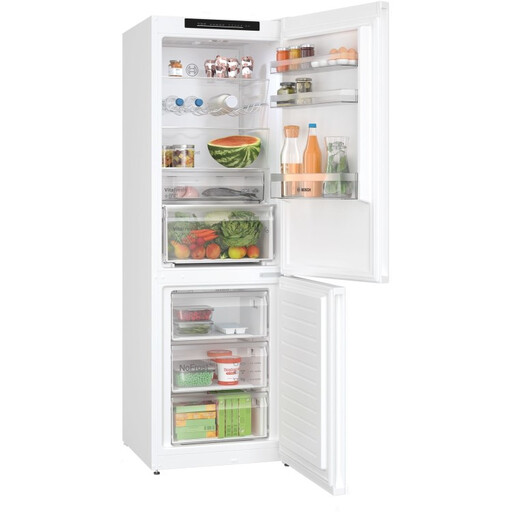 No image available
Consider this 60/40 layout if you need chilled space as well as room for dough; check the freezer compartment against your usual batches.
Freestanding, 186 cm tall and 60 cm wide, with NoFrost and a stated D energy class.
Check internal drawer dimensions, installation clearance and the exact UK energy information before buying.
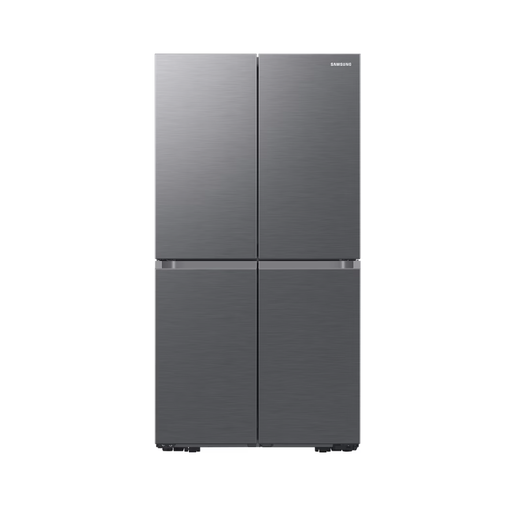 No image available
Consider the multi-door format if several dough batches share the freezer with other food and you have measured space for the appliance.
The stated 649 L is total appliance capacity, not freezer-compartment capacity.
Check freezer litres, compartment dimensions, door-opening clearance and the exact UK energy information.
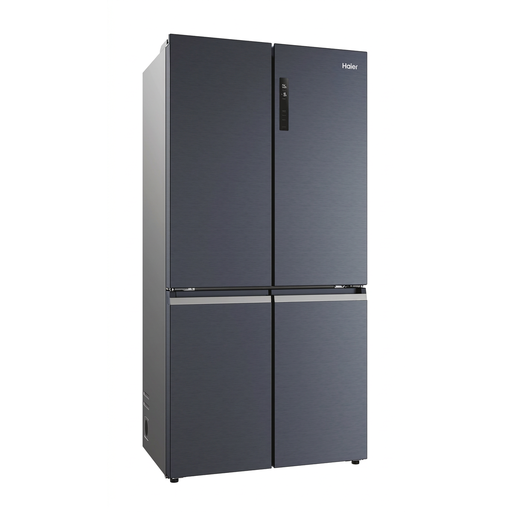 No image available
The freestanding format is worth comparing if you want to organise dough and other frozen food in a larger appliance.
The stated 528 L describes total capacity; compare freezer litres separately.
Check freezer shelf or basket measurements, required installation clearance and kitchen access.
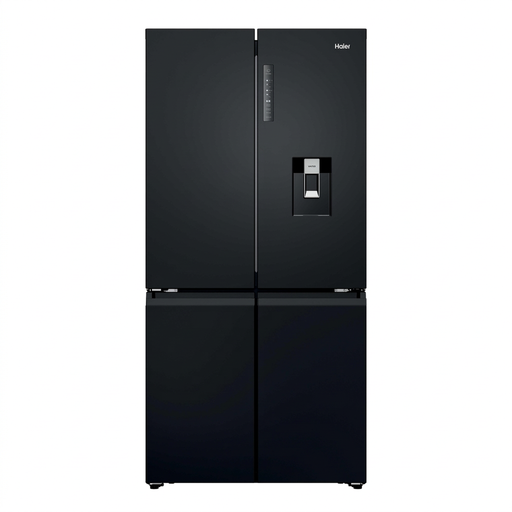 No image available
Consider this freestanding four-door model when comparing storage for regular dough batches and family frozen food.
Its stated 649 L is total appliance capacity, not a freezer-volume figure.
Check drawer dimensions, door-opening space and the defrost system if low maintenance matters to you.
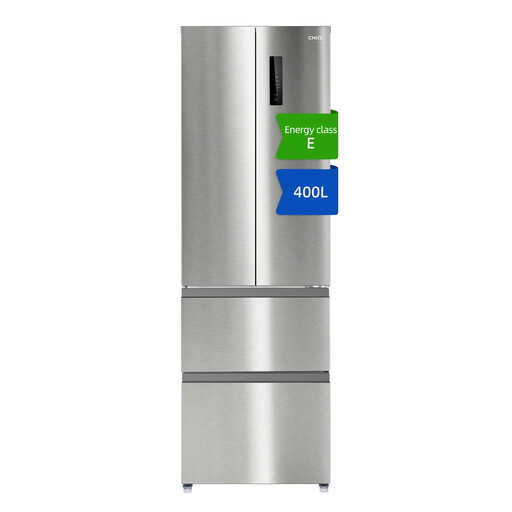 No image available
This French-door model gives households another layout to assess for dough portions alongside everyday frozen food.
It is listed as 60 cm wide, with Total No Frost and a stated E energy class; 400 L is total capacity.
Compare the freezer’s usable internal dimensions with your containers and check door-opening clearance.
Consider 50/50 if frozen dough and other frozen food need more priority alongside chilled groceries; a fridge-heavy 70/30 layout may suit occasional, smaller batches. The labels describe door proportions, so compare the exact freezer litres and internal layout before choosing.
It is worth considering if you want less manual defrosting, but it does not tell you whether your dough containers will fit. Bosch describes its No Frost system as preventing ice formation, while Beko describes Frost Free as automatically defrosting the freezer; confirm the feature on the exact model.
Check that the chosen freezer can maintain −18°C or below for frozen-food storage. FoodSafety.gov uses this temperature in its storage guidance; follow your dough recipe’s guidance for storage quality and use.
Compare the energy labels and product information sheets for the exact fridge-freezers you are considering. GOV.UK describes energy-information requirements for covered products; a frost-control feature or total-capacity figure is not a substitute for the model’s energy information.
Check your local council’s electrical-appliance collection options or the retailer’s take-back arrangements. GOV.UK describes the UK waste electrical and electronic equipment framework as intended to encourage recovery, reuse and recycling rather than disposal in landfill or incineration.