What matters when choosing?
Start with a fridge temperature you can check and space for sealed containers. Then choose the fridge/freezer split and measure the kitchen before comparing running and maintenance details.
| Concern |
What to check |
Who this matters to |
| Safe, identifiable storage |
Check how to set and measure a 0–5°C fridge temperature, and where sealed, labelled containers can sit securely. |
When several people share shelves, I need my dressing to stay chilled and easy to identify; around 33% of consumers would put this need first. |
| Chilled space and layout |
Compare fridge-compartment volume, adjustable shelf positions and upright space for your usual containers. |
If fresh ingredients and dressing jars compete for space, usable shelves matter more to me than total appliance litres; this is the primary need for around 27% of consumers. |
| Fit and installation |
Measure the space and delivery route, then check door swing and the exact model’s ventilation instructions. |
In a tight shared kitchen, I need an appliance that can be delivered, installed and opened fully; roughly 20% of consumers would prioritise that constraint. |
| Running and upkeep |
Compare annual kWh, rated noise and defrosting features on similarly sized models. |
When bills and kitchen chores are shared, I want to understand electricity use, noise and defrosting demands; around 20% of consumers would make these their first concern. |
Joybuy product choices
These fridge-freezers span tall freestanding, four-door and side-by-side layouts. Compare their stated sizes with your kitchen and storage needs, then check the exact model’s fridge controls and temperature with a thermometer before storing dressing.
 No image available
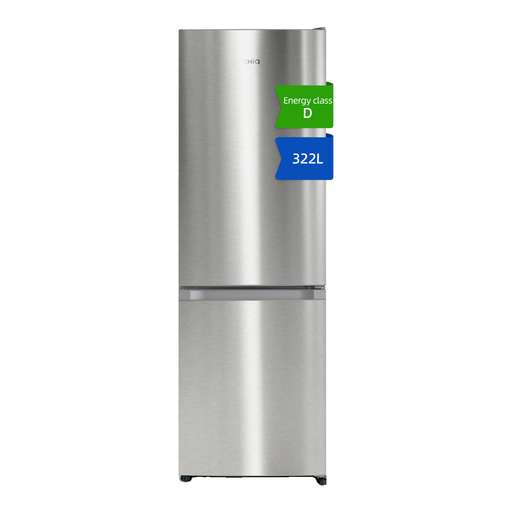
CHiQ JKR318WSSD 322 L freestanding fridge-freezer
Consider this tall freestanding model where chilled-food storage takes priority, provided its shelves accommodate your sealed containers. Its title specifies Total No Frost and a 60 cm width; check the internal layout, installation space and fridge temperature controls.
View on Joybuy
 No image available
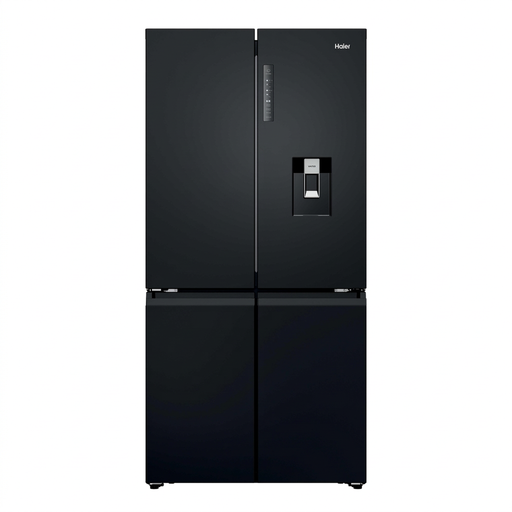
Haier Cube 90 Series 3 HCR39F19EWPT(UK) 649 L four-door fridge-freezer
Consider a four-door layout if several housemates need storage and the kitchen and delivery route allow for a larger appliance. The title states 649 L total capacity; check usable fridge shelves, door clearance and the temperature you can maintain inside.
View on Joybuy
 No image available
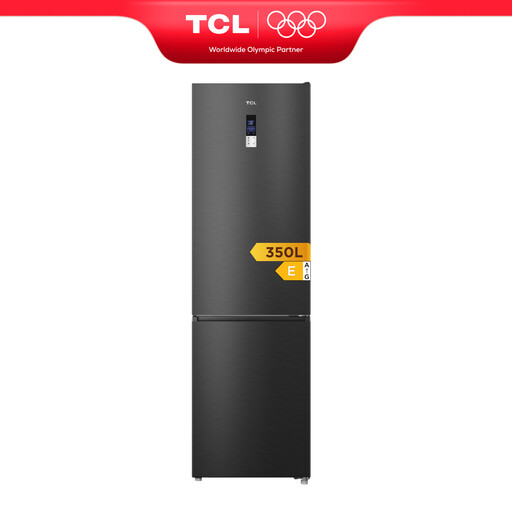
TCL RP455BBE0 350 L 60/40 fridge-freezer
The stated 60/40 layout is a starting point if your household needs both chilled and frozen storage without dividing them equally. The title also specifies Total No Frost; check container height, full installation dimensions and fridge temperature controls.
View on Joybuy
 No image available
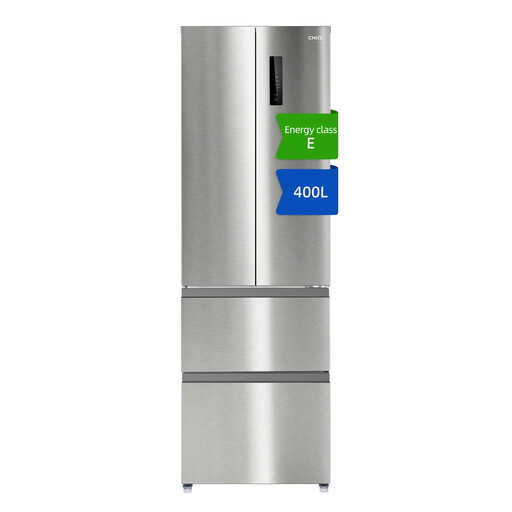
CHiQ JKR420WSSE 400 L French-door fridge-freezer
Consider this French-door arrangement if it suits how housemates separate their food. Its title gives a 60 cm width and specifies Total No Frost; check door opening, usable fridge shelves and the measured temperature of the compartment chosen for dressing.
View on Joybuy
 No image available
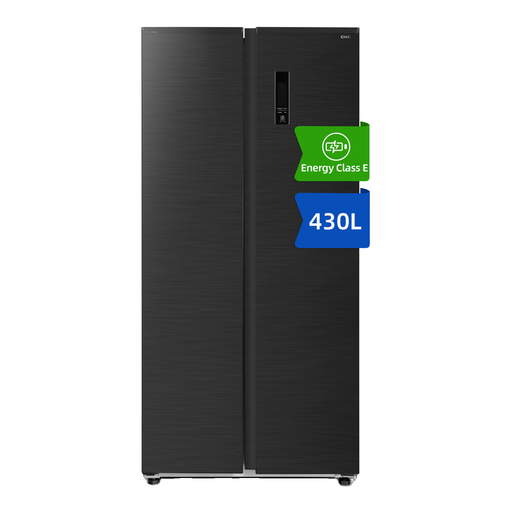
CHiQ JKR433WGE 430 L side-by-side fridge-freezer
A side-by-side layout is worth considering if the kitchen has room for it and the household uses both compartments regularly. The title states an 84 cm width and No Frost; measure the delivery path and door clearance, then check the fridge shelves and temperature controls.
View on Joybuy
Common questions
What fridge temperature should I use for homemade dressing?
Keep the fridge between 0 and 5°C and check it with a fridge thermometer, as GOV.UK advises for chilled food storage. Seal and date the dressing container, and follow any recipe-specific storage instructions.
Should homemade dressing go in the fridge door?
An internal shelf is the more cautious choice for temperature-sensitive dressing in a frequently opened shared fridge. LG notes that door shelves can experience greater temperature fluctuations; check the temperature where you actually store the container.
How long will homemade dressing keep?
Storage time depends on the recipe, ingredients and handling, so follow reliable instructions for the dressing you made rather than applying one time limit to every recipe. Take particular care with ingredients such as raw egg or dairy, and discard dressing if its safety is uncertain.
What should I measure before ordering a fridge-freezer?
Measure the intended space and delivery route, then check the chosen model’s height, width, depth, door swing and required ventilation clearances. General measurement guidance covers these fit checks, while the exact model’s installation instructions determine its required clearances.


