
24/7 Customer Support

Free returns

Same-day & Next-day Delivery

Quality Guaranteed

Unlock Your Welcome Offers: FREE Delivery | Up to 80% OFF | Free 30-day JoyPlus trial
Download the APP
Choosing among fridge freezers can be more complicated than comparing prices. A compact model may fit your kitchen but leave too little freezer space, while an American fridge freezer can offer generous capacity yet dominate a narrow room. Marketing language can also make ordinary features sound essential.
This guide focuses on the practical details that affect everyday use: dimensions, storage capacity, frost technology, noise, energy ratings and installation requirements.
A listed width of 54 cm does not mean the appliance will fit into a 54 cm gap. You also need to allow space for ventilation, door movement, skirting boards and uneven walls. Check the product’s full height, width and depth, then compare these with the delivery route, doorways and final position.
For larger multi-door fridge freezer models, check whether both doors can open far enough to remove shelves and drawers. A French door fridge freezer may be relatively shallow but still require substantial clearance at the front.
A no frost fridge freezer circulates cold air to help prevent frost and ice accumulation, reducing the need for manual defrosting. A low frost fridge freezer normally reduces ice build-up compared with a conventional static freezer, but occasional defrosting may still be required.
Low frost can be a sensible choice where budget and size matter, but do not assume it is maintenance-free. Check the defrost system in the specification rather than relying on promotional wording.
UK refrigeration appliances use the A–G energy efficiency scale. The letter is useful for comparing models, but annual electricity consumption in kWh gives more context. A larger appliance can use more electricity overall even if its design includes efficiency-focused features.
Look for the annual kWh figure where provided, and consider capacity. Paying to cool unused space is rarely practical for a small household.
Total litres are only part of the picture. Check the separate fridge and freezer capacities, along with the arrangement of shelves, drawers and door balconies.
A chest freezer usually offers an uninterrupted cavity for large items, while an upright freezer with transparent drawers makes categories easier to see and access.
Always compare the appliance dimensions with the space available, including clearance behind and around the unit as stated in the manual. Do not block ventilation openings or place a fridge freezer directly beside a heat source.
A reversible door can help in a small kitchen, but confirm whether the hinge change is suitable for your installation. Four-door and French door designs often improve visibility and provide broad shelves, although they need adequate front clearance.
Noise is particularly important in studio flats, open-plan kitchens and appliances placed near bedrooms. The products below range from 35 dB to 41 dB, but the noise emission class and installation surface can also affect how sound is perceived.
No frost systems reduce manual maintenance, while multi-airflow systems distribute chilled air through the cabinet. These features do not remove the need to organise food properly, keep vents clear and clean door seals.

Why This Fits Their Persona: Its 47 cm width and 157-litre capacity suit students, renters and smaller flats where a standard appliance may be too wide.
The specification clearly separates 109 litres of fridge space from a 48-litre freezer and identifies the system as Low Frost, rather than implying that it is completely frost-free.
Three freezer drawers, a reversible door, LED lighting and a stated 39 dB noise level.
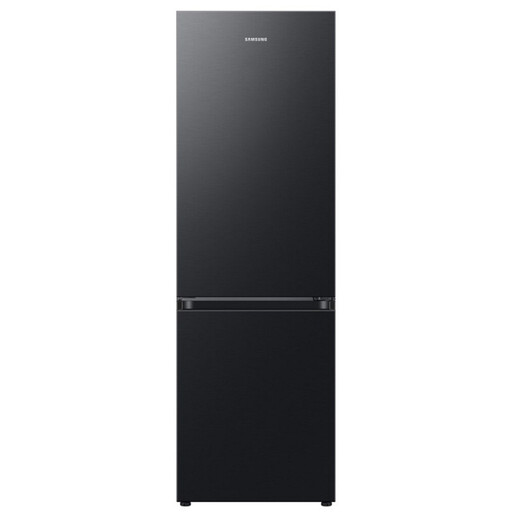
Why This Fits Their Persona: It suits households wanting a full-height freestanding fridge freezer with smart controls, substantial capacity and low stated operating noise.
Its specification lists 230 litres of fridge storage, 114 litres of freezer storage, Total No Frost and a 35 dB noise level, allowing a direct comparison beyond appearance.
Built-in Wi-Fi, Power Cool and Power Freeze functions, plus dimensions of 185.3 × 59.5 × 65.8 cm.
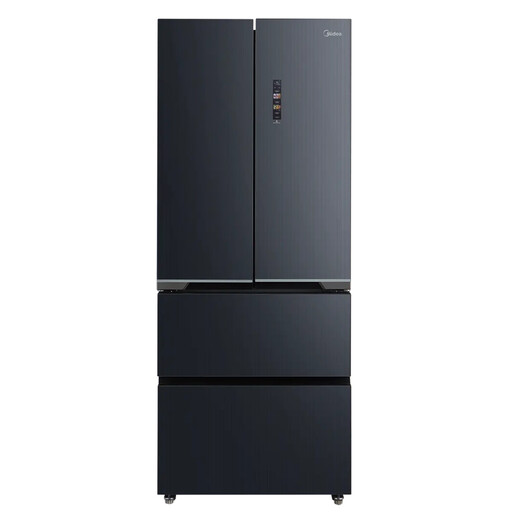
Why This Fits Their Persona: The French door layout works well for households storing wide dishes, meal-preparation containers and larger fresh-food shops.
At 75.3 cm wide and 60 cm deep, it provides clear measurements for planning instead of relying on the broad “American-style” description.
435-litre total capacity, Total No Frost, separate freezer drawers, 35 dB operation and an external electronic display.
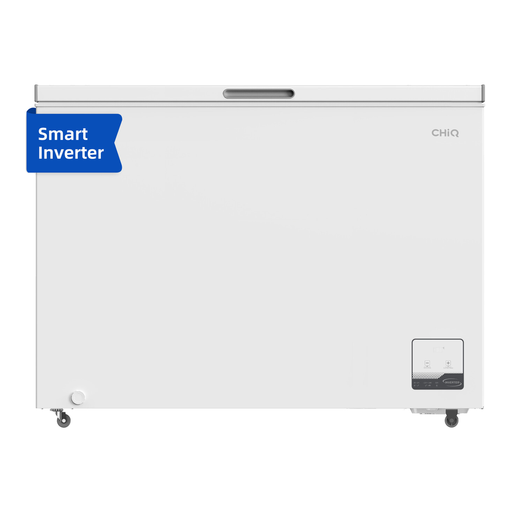
Why This Fits Their Persona: Bulk buyers, large households and batch-cooks can use its broad cavity for sizeable frozen items and prepared meals.
Its 112.5 cm width and 61 cm depth make the required floor space clear, while the counterbalanced lid addresses access and loading practicality.
299-litre capacity, digital controls, a removable basket and conversion between freezer and fridge modes.
We have compiled a complete, real-time list of products that fully satisfy these strict selection criteria and UK safety regulations.
Follow the manufacturer’s installation instructions, as clearance varies by design. Allow room for ventilation, door opening and drawer removal. Measure the complete delivery route before ordering, including stairwells, door frames and tight turns.
They can reduce the need for manual defrosting and help maintain usable freezer space. However, they may cost more than a low frost model, and they still require cleaning, correct loading and unobstructed vents.
An upright freezer generally offers easier organisation through shelves or drawers and uses less floor space. A chest freezer can accommodate large or irregularly shaped items and may suit bulk storage, but it needs overhead clearance and can be harder to organise. Consider both the available room and how frequently you access frozen food before choosing.