For a baby starting solids at around six months with no diagnosed cow’s-milk allergy, a plain, pasteurised, full-fat dairy food is the route to consider; the NHS specifically identifies plain, full-fat yoghurt as a choice from this age. Introduce milk on its own in a very small amount, checking the exact fromage frais pack for its ingredients and age guidance. Ordinary dairy fromage frais is not an alternative for a baby with diagnosed cow’s-milk allergy; seek professional feeding advice instead.
Who is this for?
Parents introducing dairy during weaning
If your baby is starting solids at around six months and has no diagnosed cow’s-milk allergy, compare plain, pasteurised, full-fat options. The NHS advises introducing foods that can trigger an allergy one at a time and in very small amounts.
Families managing a possible or diagnosed allergy
A diagnosed cow’s-milk allergy rules out ordinary dairy fromage frais. If you are concerned about an allergy or whether an introduction needs supervision, speak to a GP or health visitor before choosing a dairy product.
Shoppers comparing baby and children’s products
A children’s snack is not automatically intended for a baby starting solids. Check the stated age, ingredients, milk allergen declaration and current pack rather than relying on the product category.
What to check when choosing
Establish whether milk can be introduced before comparing dairy products. Then check the format and the exact pack you intend to use.
| Priority | What to check | Your needs |
|---|
| Milk exposure |
Check whether cow’s-milk allergy has been diagnosed. Read the ingredients and allergen declaration: plain or unsweetened dairy fromage frais can still contain milk. The NHS advises introducing allergenic foods one at a time in very small amounts. |
I need to know whether this is a first introduction to milk or whether milk must be avoided altogether. |
| Early-weaning format |
Look for pasteurisation, full-fat status and a plain or unsweetened formulation. The NHS identifies pasteurised full-fat yoghurt as suitable from around six months; for a packaged baby product, check its stated age on the exact pack. |
A familiar children’s pot is not enough for me to judge whether it fits a baby just starting solids. |
| Ingredients |
Compare the full ingredient lists. A plain dairy product makes it easier to identify what was introduced than a blend containing several ingredients; fruit flavours or sugar do not make milk allergy precautions unnecessary. |
For a first dairy introduction, I want to keep track of the new food rather than introduce several ingredients together. |
| Current pack |
At purchase, check the physical pack’s age statement, ingredients, emphasised allergens and use-by date. Sainsbury’s notes that ingredients can change, so an online list should not replace the pack. |
I want the allergen information for the food I will actually serve, not just an earlier online listing. |
Mistakes to avoid
-
Assuming every children’s fromage frais suits early weaning
The Petits Filous Strawberry & Raspberry small pots listed by Tesco are described as being for children from three years old. A children’s snack label does not establish suitability for a baby starting solids.
Check the age statement on the exact pack. For a plain dairy route from around six months, use the NHS guidance on pasteurised, full-fat yoghurt as a starting point.
-
Treating an unsweetened product as milk-free
Sugar content and allergens answer different questions. Ordinary dairy fromage frais contains milk and is not an alternative for a baby with diagnosed cow’s-milk allergy.
Read the full ingredients and emphasised allergens. If cow’s-milk allergy has been diagnosed, follow professional feeding advice rather than trialling ordinary dairy fromage frais.
-
Using a fruit blend for the first milk introduction without checking its ingredients
A fruit dairy snack can contain several ingredients. Introducing them together makes it harder to identify which new food was involved if a reaction occurs.
The NHS advises introducing foods that can trigger allergies one at a time and in very small amounts. Check the complete recipe before serving.
-
Relying only on an online ingredient list
Recipes and pack information can change. Sainsbury’s advises shoppers to check packaging even when using its own-label allergen lists.
Use online listings to narrow the choice, then check the physical pack’s ingredients, allergens, age statement and use-by date before feeding.
Brand and retailer references
These examples help distinguish baby-labelled products, older children’s snacks and retailer ingredient information; they do not establish that a particular product is suitable for every baby.
Glenisk
Glenisk’s Organic Baby Fromage Frais Natural is a baby-labelled dairy product to assess by its exact pack.
- Glenisk lists organic skimmed milk, organic cream and cultures for the Natural variant.
- It contains milk, so the short ingredient list does not make it suitable for a baby with diagnosed cow’s-milk allergy.
Petits Filous
The Strawberry & Raspberry small pots listed by Tesco are children’s snacks, not an age statement for early weaning.
- The Tesco listing identifies fromage frais containing milk in the ingredients.
- That listing describes the pots as made for children from three years old and includes sugar in the raspberry ingredients.
Tesco
Tesco’s own-label Strawberry & Raspberry fromage frais pouches illustrate why the full recipe matters when comparing fruit dairy products.
- The listed ingredients identify milk in the fromage frais and cream, alongside fruit purée and sugar.
- Check the current physical pack before using the listing for an allergy decision.
Sainsbury’s
Sainsbury’s publishes allergen information for its own-label products that can help shoppers narrow a choice.
- Sainsbury’s says its own-label allergen lists are updated monthly.
- It also notes that ingredients can change; check the product packaging before feeding.
Joybuy yoghurt options
These are fruit-containing baby yoghurt options labelled for six months and over, not plain fromage frais. They contain milk and several ingredients, so assess them separately from a simple first dairy introduction.
 No image available
Ella’s Kitchen Greek Yoghurt With Strawberry 6+ Months 90g
This 90g yoghurt pouch is labelled for babies aged 6+ months, but its fruit blend is not the plain dairy route for a first milk introduction. It contains milk and is not suitable for a baby with diagnosed cow’s-milk allergy. Check the current pack for its full ingredients, allergen declaration, pasteurisation and full-fat status before choosing it.
View on Joybuy
 No image available
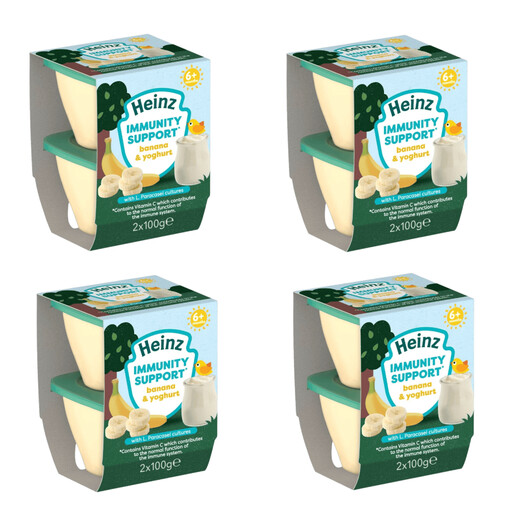
Heinz Banana & Yoghurt Pot 6+ Months, 2 x 100g × 4
This listing is for four packs of two 100g pots, labelled for ages 6+ months. The yoghurt contains milk, while the blend also includes banana and apple, so it is not a plain first dairy food or an option for diagnosed cow’s-milk allergy. Check the current pack’s ingredients, allergens, pasteurisation and full-fat status.
View on Joybuy
 No image available
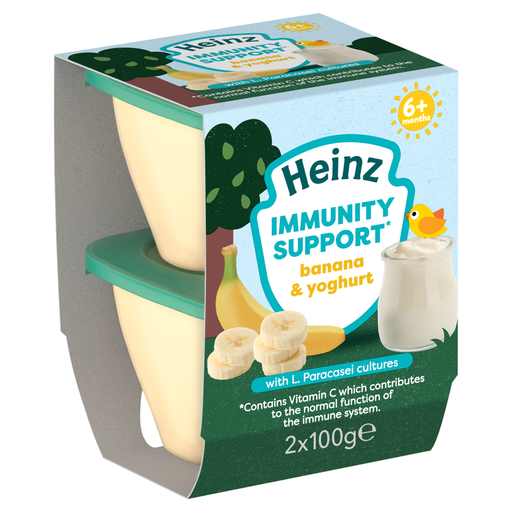
Heinz Banana & Yoghurt Pot 6+ Months, 2 x 100g
This is the two-pot, 100g-per-pot listing labelled for ages 6+ months. It contains milk and includes banana and apple alongside yoghurt, making it a different choice from plain dairy for a first introduction. It is not suitable for diagnosed cow’s-milk allergy; check the current pack’s ingredients, allergens, pasteurisation and full-fat status.
View on Joybuy
Common questions
Can a baby with cow’s-milk allergy have ordinary fromage frais?
No. Ordinary dairy fromage frais contains milk, so it is not an alternative for a baby with diagnosed cow’s-milk allergy. Speak to a GP about the baby’s feeding plan; the NHS notes that babies with cow’s-milk allergy who are not breastfed may need a special formula.
How should I introduce dairy at the start of weaning?
The NHS advises introducing foods that can trigger an allergic reaction from around six months, one at a time and in very small amounts, so a reaction is easier to spot. Check that the chosen dairy product fits the baby’s circumstances before offering it.
Does “no added sugar” mean a fromage frais is milk-free?
No. A statement about added sugar says nothing about whether the product contains milk. Read the full ingredients and emphasised allergens on the exact pack, particularly if milk allergy is a concern.
Is an online supermarket ingredient list enough for allergy shopping?
Use an online list to narrow your choice, then check the physical pack before feeding. Sainsbury’s notes that ingredients can change, so the pack’s current ingredient and allergen information matters.


