
24/7 Customer Support

Free returns

Same-day & Next-day Delivery

Quality Guaranteed

Unlock Your Welcome Offers: FREE Delivery | Up to 80% OFF | Free 30-day JoyPlus trial
Download the APP
From the comforting chew of glutinous rice balls to the creamy indulgence of kulfi, the freezer aisle has become a gateway to Asia's most beloved sweet treats. The convenience of having these desserts ready at home is undeniable. However, navigating the options to find authentic, high-quality products can be challenging. Many fall short, leaving you with a disappointing experience that doesn't live up to the promise on the packaging.
As a Joybuy Product Recommendation Officer, my role is to help you sidestep these common issues. This guide will highlight the frequent pitfalls to avoid and the key factors to check, ensuring your next purchase of frozen Asian desserts is a satisfying one.
A vibrant package can often hide a lacklustre product. Here are two frequent problems that lead to buyer's remorse:
To avoid disappointment, focus on a few practical details on the product page or packaging. These indicators are far more reliable than marketing slogans.
The secret to genuine flavour lies in the ingredients. Instead of being swayed by front-of-pack claims, turn your attention to the list on the back.
Texture is everything, and the type of flour or starch used is the foundation. Understanding the difference helps you choose the right product for the experience you want.
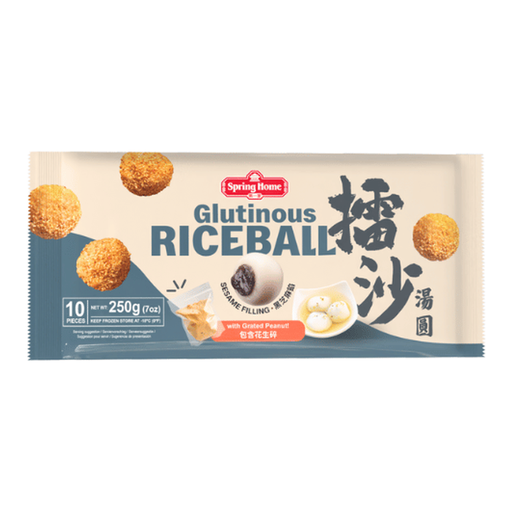
Why This Fits Their Persona: This is a classic choice for those seeking the comforting, nostalgic flavours of home, especially during festive occasions like the Winter Solstice or Lunar New Year. It's a simple, heartwarming dessert for sharing with family.
The use of glutinous rice flour ensures the authentic soft and chewy texture, avoiding the "tough and grainy" pitfall. The filling is made from real peanuts and black sesame, delivering a rich, nutty flavour, not just sweetness.
It includes a separate sachet of grated peanuts for coating, adding an extra layer of texture and flavour that mimics a freshly prepared dessert.
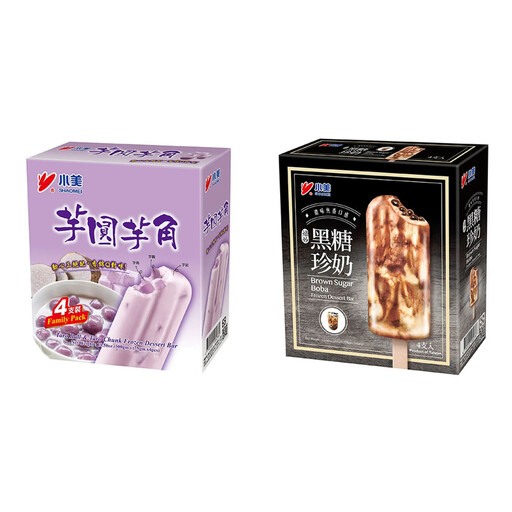
Why This Fits Their Persona: For those who love the boba tea phenomenon, this boba ice bar offers that same satisfaction in a convenient, ready-to-eat format. It's a fun, modern dessert perfect for a quick treat.
This product tackles the "texture trap" head-on. The mini mochi pearls are specifically formulated to remain soft and chewy even when frozen, avoiding the hard, icy texture that plagues lesser-quality frozen boba products.
This is a multi-pack that includes two different popular flavours—Brown Sugar Boba and Taro Cube—providing variety and catering to different preferences within one purchase.
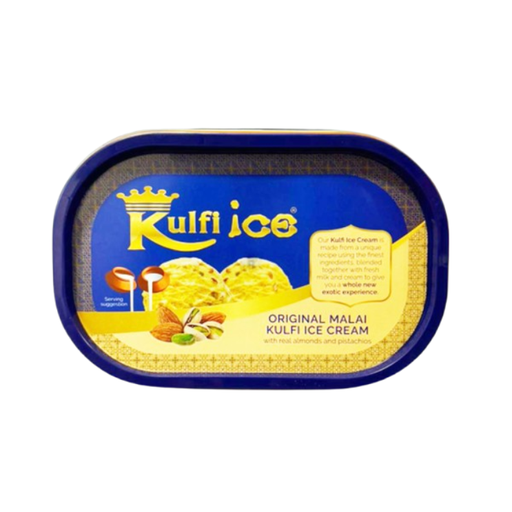
Why This Fits Their Persona: For anyone looking to move beyond standard ice cream, this malai kulfi offers a uniquely dense, rich and aromatic experience. It's an indulgent dessert perfect for finishing a meal or for a special treat.
By using fresh milk and cream as primary ingredients and following a traditional slow-cook method, it achieves a genuinely dense and creamy texture, sidestepping the "icy and crystalline" pitfall of mass-produced alternatives.
The large 1L tub format is ideal for family sharing or for kulfi enthusiasts who want to stock up. It is flavoured with natural cardamom and saffron for an authentic taste.
We have compiled a complete, real-time list of products that fully satisfy these strict selection criteria and UK safety regulations.
1. How do I properly cook frozen glutinous rice balls (tang yuan)? For the ideal chewy texture, bring a medium pot of water to a rolling boil. Gently add the frozen rice balls without defrosting them first. Stir gently to prevent sticking. Cook until they all float to the surface, which typically takes 6-8 minutes. Once they float, you can cook for another minute to ensure the filling is warm. Serve them immediately in the cooking water, a sweet ginger syrup or roll them in peanut powder.
2. What is the difference between kulfi and regular ice cream? The main difference is in the preparation and texture. Traditional ice cream is made from a custard base that is churned to incorporate air, resulting in a light, fluffy texture. Kulfi, on the other hand, is made by slowly simmering and reducing milk until it thickens and caramelises. It is not churned, which results in a much denser, creamier and richer frozen dessert.
3. Can I refreeze thawed Asian desserts? It is generally not recommended to refreeze any frozen food once it has thawed, and this is especially true for these desserts. Refreezing can severely damage the texture, making chewy items tough and creamy items icy. More importantly, it can pose a food safety risk. Always follow the storage instructions on the packaging and consume the product once thawed.