
24/7 Customer Support

Free returns

Same-day & Next-day Delivery

Quality Guaranteed

Unlock Your Welcome Offers: FREE Delivery | Up to 80% OFF | Free 30-day JoyPlus trial
Download the APP
Frozen Asian dumplings can turn a rushed evening into a quick meal, snack or dim sum-style spread. However, choosing between gyoza, mandu, momos, prawn dumplings and glutinous rice balls is not simply a matter of picking the most attractive packaging. The wrong pack may be too small for your household, unsuitable for an allergy, or designed for steaming when you expected a crisp pan-fried finish.
Joybuy Product Recommendation Officer advice focuses on the details that are easy to miss before checkout.
A 200g pack and a 700g pack serve very different purposes. Smaller packs can work for one person, a lunchbox or a starter, while larger packs are more practical for families, flat-shares and gatherings. Check the number of pieces where stated, not only the total gram weight.
Filled dumplings can also vary considerably in size. A 176g pack of dim sum dumplings may contain fewer pieces than expected, whereas a 400g pack of Chinese dumplings is more suitable for a full meal or sharing plate.
Gyoza, mandu and Chinese dumplings may all look similar, but their wrappers and fillings can require different methods. Some are suitable for boiling, steaming and pan-frying; others are intended mainly for steaming or microwave preparation.
A thin wheat wrapper can crisp effectively in a frying pan, while translucent starch wrappers used for prawn dumplings are generally better steamed. Always follow the instructions on the packaging and cook raw dumplings thoroughly.
A vegetable gyoza may still contain wheat, soya and sesame. Some chicken-style Korean dumplings use seasoned soya protein rather than chicken meat. Products can also contain crustaceans, molluscs, fish, egg or celery.
For UK shoppers managing allergies or dietary preferences, read the bold allergen declaration and full ingredients list. Do not rely on the product name alone. Recipes and packaging can change, so check the current pack before eating.
For pan-fry dumplings, look for instructions that combine frying with adding water and covering the pan. This creates a crisp base and cooked filling. For steamed dumplings, check the stated steaming time and whether the product should be cooked from frozen.
Boiled dumplings usually need enough water and space to prevent sticking. Products such as pork dumplings and seafood dumplings commonly provide boiling, steaming and pan-frying instructions, making them flexible for weekday meals.
Some dumplings have special wrappers:
Look at the quantitative ingredient declaration where available. For example, Bibigo Korean Whole Shrimp Mandu lists shrimp at 41.96%, while MEI SUM Shrimp Dumplings list shrimp at 30%. These figures help compare products more objectively than descriptions such as “generously filled”.
Vegetable options can vary too. Itsu Vegetable Fusion Gyoza contains vegetables, tofu and soya mince and is marked suitable for vegans in the supplied product information. By contrast, some “vegetable” dumplings may contain seafood-derived seasonings or animal ingredients, so verify the label if you follow a strict diet.
Most products in this selection require storage at -18°C or below. Do not refreeze after thawing unless the packaging specifically permits it. Keep frozen food cold during transport and return unused portions to the freezer promptly.
Raw frozen dumplings must not be eaten straight from the pack. Cook until piping hot throughout, following the product’s stated time and method. For meat and seafood fillings, avoid judging doneness only by the wrapper’s appearance.
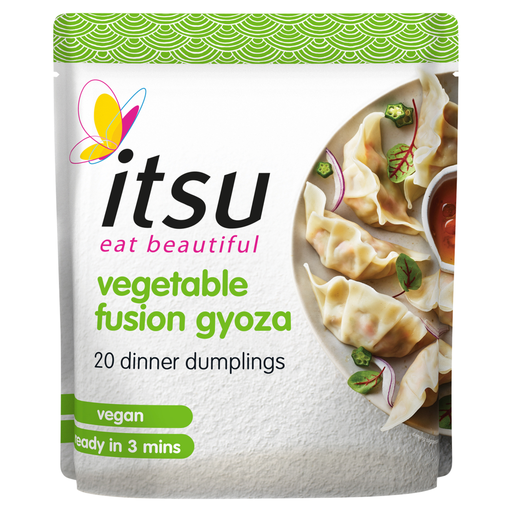
Why This Fits Their Persona: A 20-piece pack gives students, couples and first-time buyers a practical way to try vegetable gyoza without committing to a large freezer pack.
The product information clearly identifies wheat, soya and sesame, while the pack size makes portion planning easier.
Contains vegetables, tofu and soya mince; suitable for vegans according to the supplied product information; cooks in around three minutes.
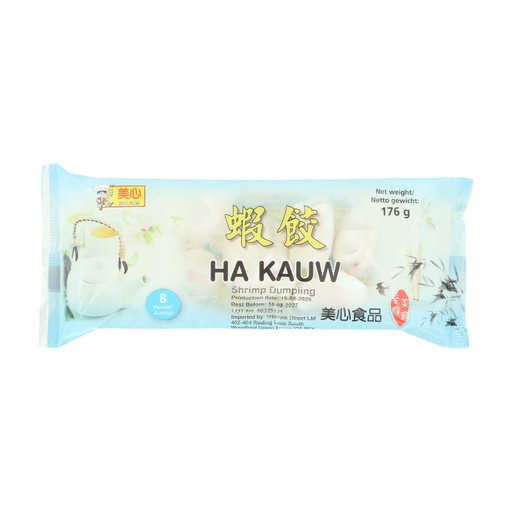
Why This Fits Their Persona: Suitable for shoppers looking to recreate a focused dim sum course at home, particularly when wrapper texture and seafood content matter.
It is specifically described as a prawn dumpling with a translucent wrapper, and the stated shrimp content is 30%, rather than leaving the filling vague.
Designed for steaming from frozen for 8–10 minutes; contains crustaceans, wheat and sesame, which are clearly listed allergens.
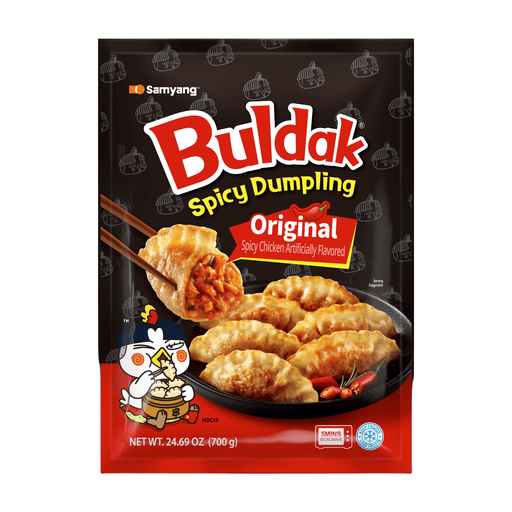
Why This Fits Their Persona: The large 700g pack suits families, shared houses and anyone wanting a freezer staple for meals, soups, hot pots or sharing plates.
The listing explains that the chicken-style filling contains tofu, soya protein, vermicelli and vegetables, helping shoppers avoid assumptions about the recipe.
Suitable for pan-frying, steaming, boiling, soups and hot pots; the 700g format is designed for repeated servings.
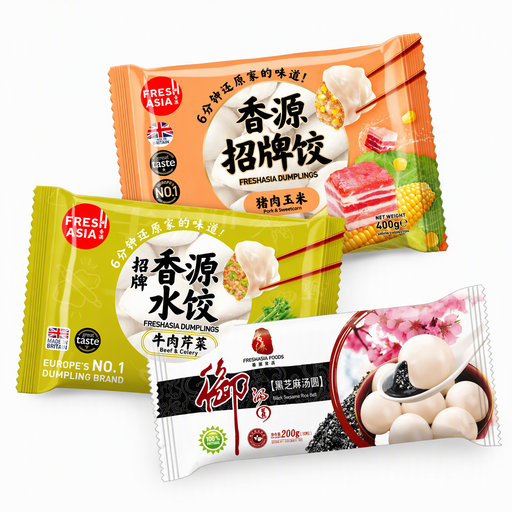
Why This Fits Their Persona: A useful option for households wanting savoury Chinese dumplings alongside a traditional tangyuan dessert for a shared meal or celebration.
The listing separates the 400g savoury dumpling packs from the 200g black sesame rice ball pack, making the mixed format clear.
The pork and sweetcorn dumplings can be boiled, steamed or pan-fried; the black sesame tangyuan is boiled from frozen and served warm.
We have compiled a complete, real-time list of products that fully satisfy these strict selection criteria and UK safety regulations.
For a crisp finish, pan-fry gyoza or mandu in a little oil, add water and cover until the filling is hot. Steam prawn dumplings and delicate dim sum dumplings to protect their wrappers. Boil Chinese dumplings for soups or simple dipping-sauce meals. Vegetable momos are generally suited to steaming, while tangyuan can be served in plain cooking water or sweet ginger soup.
Use a non-stick pan, avoid overcrowding, and allow a short standing time for very hot fillings such as soup dumplings. Soya sauce, black vinegar, chilli oil, spring onion and sesame-based dips can be served separately so everyone can adjust flavour to taste.
Some products are fully cooked and quick-frozen, while others are frozen raw and require thorough cooking. Check the packaging. Never assume a dumpling is ready to eat simply because it is frozen or labelled convenient.
Many products are designed to cook from frozen, including several gyoza, mandu and prawn dumplings. Follow the specific instructions because cooking time and method depend on wrapper thickness and filling. Do not refreeze dumplings once they have thawed unless the label gives different instructions.
Store them at -18°C or below until the stated best-before date. Once opened, seal the pack well and minimise time outside the freezer. If the product has thawed, keep it refrigerated only as directed and cook promptly.