
24/7 Customer Support

Free returns

Same-day & Next-day Delivery

Quality Guaranteed

Unlock Your Welcome Offers: FREE Delivery | Up to 80% OFF | Free 30-day JoyPlus trial
Download the APP
Frozen Asian dumplings can turn a busy evening into a quick meal, snack or appetiser. However, not every pack suits every kitchen. Differences in cooking methods, filling ratios, allergens and pack sizes can affect both value and results.
This guide explains what to check before buying frozen Asian dumplings, from Chinese dumplings and Korean mandu to gyoza, dim sum and tangyuan. It also matches several options to different UK shopping needs.
Some dumplings are suitable for boiling, steaming and pan-frying, while others are designed only for steaming or microwave heating. For example, steamed dumplings may have a softer wrapper that is not intended for frying. Always read the preparation instructions before buying, particularly if you want crispy gyoza or pan-fried Chinese dumplings.
Vegetable dumplings may still contain wheat, soya or sesame. Some products can also include animal-derived ingredients in seasonings or fats. Likewise, a product labelled halal should still be checked against the current packaging if you have specific dietary requirements. Review the full allergen statement rather than relying only on front-of-pack wording.
A large-looking bag may contain fewer portions than expected, while a mixed dim sum box may offer variety but less of one particular favourite. Compare net weight, piece count and filling composition. A 400g pack of pork dumplings, for instance, may be more practical for several individual meals than a smaller appetiser box.
The wrapper affects texture and cooking tolerance. Wheat wrappers generally provide the familiar firm bite of gyoza and boiled dumplings, while translucent starch wrappers are associated with prawn dumplings such as Har Gow. Check the ingredient list and quantitative ingredient declaration where provided. Product details may state, for example, pork at 30%, prawn at 27% or vegetables at 31%.
A thinner wrapper is not automatically better. It may cook quickly but can split if overfilled, boiled too vigorously or handled after thawing.
For most ready-to-cook dumplings, cooking from frozen is recommended. Typical guidance includes:
Use a steamer liner, lightly oil the basket and leave space between pieces. Frozen dumplings should be piping hot throughout, and products containing meat or seafood must be thoroughly cooked. Do not consume raw dough or raw filling.
Keep products at -18°C or below, follow the stated best-before date and avoid refreezing after thawing. Once opened, check whether the instructions advise immediate consumption.
Common allergens in Asian frozen food include wheat, soya, sesame, egg, crustaceans, fish, celery and molluscs. Ingredients can vary between similar flavours, so check each product individually. This is especially important when buying pork dumplings, prawn dumplings, wontons or dim sum assortments.

Why This Fits Their Persona: A straightforward pack for students, couples or first-time buyers who want familiar Chinese dumplings without a complicated preparation routine.
The pack clearly lists a 400g net weight, cooking methods and allergens, making it easier to judge value and suitability before purchase.
Contains pork and Chinese leaf, and can be boiled, steamed or pan-fried from frozen.
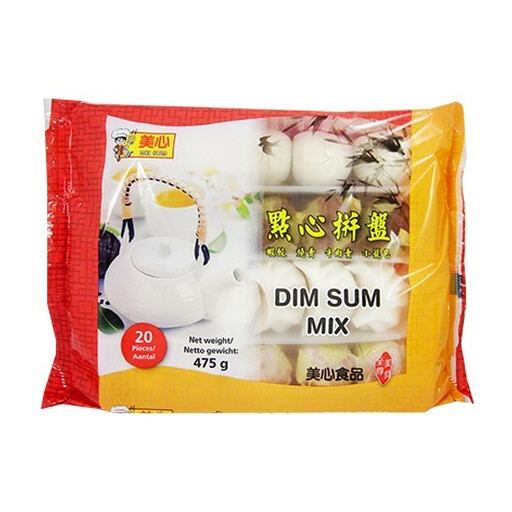
Why This Fits Their Persona: Suitable for shoppers who want a Hong Kong-style selection for weekend sharing, brunch or a home dim sum meal.
The contents are specified as 20 pieces across four varieties, rather than leaving the assortment unclear.
Includes shrimp dum, siu mai, beef siu mai and steamed buns; designed for steaming.
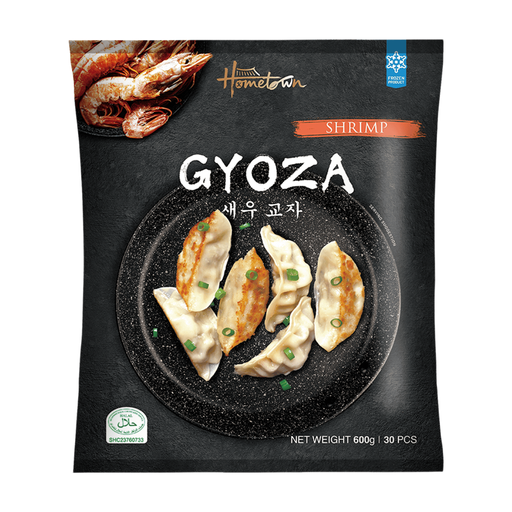
Why This Fits Their Persona: A larger pack for families, frequent snackers or halal shoppers seeking a pan-fried gyoza option.
It provides separate pan-frying, steaming and deep-frying instructions, so the product can match different meal routines.
600g pack with 27% prawn listed in the ingredients; labelled Halal in the product name. Check the packaging for current dietary certification.
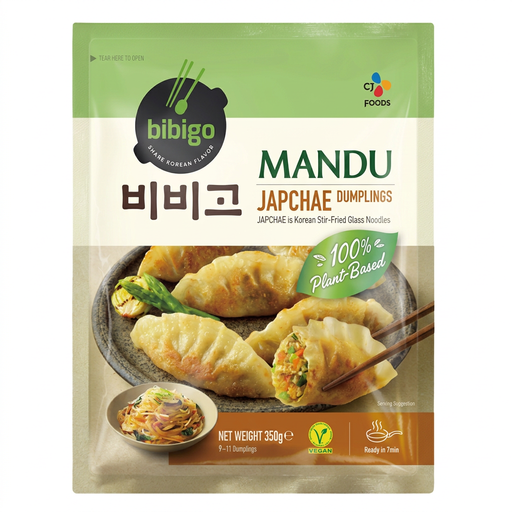
Why This Fits Their Persona: A practical choice for meat-free households, packed lunches or shoppers looking for vegetable-led Korean mandu.
The ingredient list identifies vegetables, glass noodles and textured soya protein, helping shoppers check what “vegan mandu” means in practice.
Contains vegetables and japchae-style glass noodles; frozen storage is clearly stated. Contains gluten, soya and wheat-derived ingredients.
We have compiled a complete, real-time list of products that fully satisfy these strict selection criteria and UK safety regulations.
Usually, yes. Many frozen dumplings are designed to be boiled, steamed or pan-fried from frozen. Follow the individual pack instructions, as cooking time and method vary by wrapper and filling. Do not refreeze dumplings after they have thawed.
Keep them at -18°C or below and follow the best-before date on the packaging. Avoid repeated thawing and refreezing, as this can affect texture and food safety. Once opened, reseal the pack securely and follow any instructions to consume promptly.
Cooking time is generally short, particularly when steaming or boiling a small portion. The overall cost depends on portion size, cooking method and energy use. A covered pan or steamer can help retain heat, while preparing several portions together may be more practical for families. Compare pack weight and serving size rather than judging value from the headline price alone.