
24/7 Customer Support

Free returns

Same-day & Next-day Delivery

Quality Guaranteed

Unlock Your Welcome Offers: FREE Delivery | Up to 80% OFF | Free 30-day JoyPlus trial
Download the APP
Navigating the freezer aisle for authentic and convenient frozen Asian food can feel like a gamble. The packaging promises restaurant-quality flavours, but the reality can often be a letdown. As a Product Recommendation Officer, my role is to help you see past the marketing and make choices that deliver on taste and value. Many of us have been caught out by a few common issues that lead to disappointment and wasted money.
Before you add that next bag of dumplings to your basket, let's look at the frequent traps to avoid.
To ensure you are getting what you pay for, focus on a few key details on the packaging. These objective markers are far more reliable than marketing slogans.
The most powerful tool at your disposal is the ingredients list. In the UK, food labelling regulations require a Quantitative Ingredient Declaration (QUID). This tells you the percentage of key ingredients in the final product.
Instead of relying on a picture, look for the numbers. If you are buying pork frozen dumplings, the label should state something like "Pork (24%)". A higher percentage of the primary ingredient (like meat, prawns or a key vegetable) is often a good indicator of a more generous filling and authentic flavour. This simple check helps you avoid the "mostly dough" trap.
Not all frozen products are created equal when it comes to preparation. Before you buy frozen gyoza online or pick up some frozen bao buns, check the recommended cooking instructions.
Choosing a product that aligns with the time you have and the equipment in your kitchen is crucial for a successful meal.
To help you get started, here are a few products that align with different needs, selected based on their clear labelling and preparation suitability.
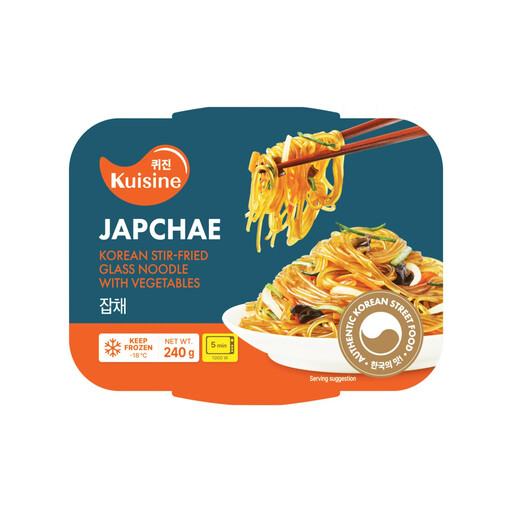
Why This Fits Their Persona: After a long day, you need a complete, flavourful meal that is ready in minutes. This Japchae is one of the most convenient Asian ready meals UK residents can find, offering a balanced dish without the need for extra ingredients.
It sidesteps the "inconvenient convenience" trap by being a self-contained meal. The flavour is specific to Japchae, avoiding the generic "Asian noodle" taste.
Provides a full serving of noodles and vegetables. A simple way to enjoy Korean street food at home with minimal effort.

Why This Fits Their Persona: For those who love recreating a weekend dim sum spread, having high-quality gyoza is essential. This product is designed for those who appreciate a substantial, prawn-forward filling.
It directly counters the "poor filling" trap. The ingredient list clearly states King PRAWN (CRUSTACEAN) (32.6%), a high ratio that ensures a satisfying, seafood-rich bite.
Versatile cooking options (steam or pan-fry) allow you to customise the texture. The high prawn content provides an authentic taste for your homemade frozen dim sum experience.
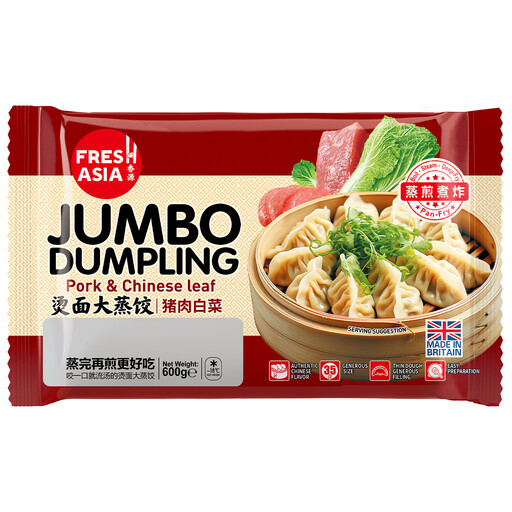
Why This Fits Their Persona: This is a freezer staple for families. The jumbo size is more filling, and the classic pork and Chinese leaf flavour is a crowd-pleaser. The 600g pack offers great value for feeding multiple people.
The QUID provides transparency against the "lacking filling" issue, specifying Pork (24%) and Chinese leaf (11%). You know exactly what you are getting.
The larger "jumbo" size makes for a more substantial part of a meal. These Freshasia dumplings are made in the UK, which can be a point of interest for some shoppers.
We have compiled a complete, real-time list of products that fully satisfy these strict selection criteria and UK safety regulations.
Here are answers to a few common queries people have when cooking with frozen Asian food.
1. How do I get the best texture from frozen dumplings? For a soft, tender texture, steam them over boiling water for the time specified on the package. For a crispy "potsticker" finish, pan-fry them first in a little oil for a few minutes until the bottoms are golden. Then, carefully add a few tablespoons of water to the pan and cover it immediately with a lid. Let them steam for 5-7 minutes until the wrapper is translucent and the filling is cooked through.
2. Are frozen Asian ready meals a healthy choice? The nutritional value can vary significantly between products. To make an informed choice, always check the nutritional information table on the back of the pack, paying attention to the salt, sugar and saturated fat content per 100g. To create a more balanced meal, consider serving your frozen items with a side of fresh or steamed vegetables.
3. How long can I keep frozen Asian food? Always store products in a freezer at -18°C or below. The "Best Before" date on the packaging is your primary guide for quality. Once a product has been defrosted, it should not be refrozen. Follow the on-pack instructions, which usually advise cooking from frozen or consuming within 24 hours of thawing.