
24/7 Customer Support

Free returns

Same-day & Next-day Delivery

Quality Guaranteed

Unlock Your Welcome Offers: FREE Delivery | Up to 80% OFF | Free 30-day JoyPlus trial
Download the APP
The convenience of having delicious Asian cuisine ready in minutes is undeniable. From comforting frozen dim sum on a rainy Sunday to a quick batch of Korean street food after a long day, the freezer aisle offers a portal to vibrant flavours. However, the reality doesn't always match the enticing packaging. Many of us have been disappointed by bland fillings, doughy textures and products that are a pale imitation of the authentic dishes we love.
As the Joybuy Product Recommendation Officer, my role is to help you navigate the crowded market. We will look past the marketing hype and focus on what truly matters, ensuring your next purchase of frozen Asian food delivers on its promise of flavour and quality.
Before you add anything to your basket, be aware of these frequent issues that can lead to a disappointing meal and wasted money.
Chinese steamed buns or crispy frozen gyoza. Instead, you end up with a soggy, dense or tough result. This is often due to inferior flour blends or outdated freezing techniques that damage the food's cellular structure.To avoid these traps, focus on a few key details on the product page or packaging. These objective markers are far more reliable indicators of quality than flashy marketing.
In the UK, the Quantitative Ingredient Declaration (QUID) is a legal requirement. It tells you the percentage of a particular ingredient if it's highlighted in the name or on the packaging. When looking for pork bao or salted egg custard buns, check for a high percentage of pork or salted egg yolk. A higher number generally indicates a more generous, flavourful filling and better value.
The texture of a dumpling or bun is defined by its ingredients. For instance, frozen dumplings UK shoppers will find that wrappers made with a simple wheat flour are great for pan-frying to achieve a crispy base. In contrast, items like soup dumplings or certain desserts might use glutinous rice flour to achieve a distinctively soft and chewy texture. Products that specify their flour blend are often crafted with more care.
A high-quality product is typically versatile and resilient. Look for items that provide clear instructions for multiple cooking methods (e.g., steam, pan-fry, air-fry, microwave). This suggests the manufacturer has developed a product robust enough to deliver good results across different kitchen setups, making it a more reliable choice for ready to cook Asian meals.
Based on these practical criteria, here are a few selections matched to different needs and tastes.
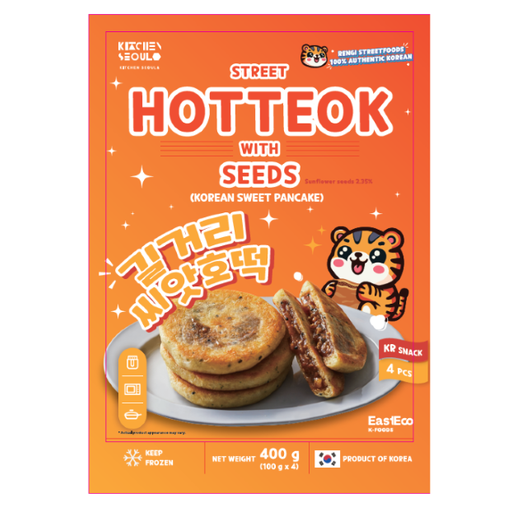
Why This Fits Their Persona: For those wanting to recreate an authentic Korean street food online experience, this frozen hotteok is ideal. It’s a classic sweet pancake that offers a unique taste and texture profile not commonly found in UK supermarkets.
It sidesteps the "authenticity illusion" with a complex filling of brown sugar, cinnamon, peanuts and seeds. The dough, a blend of wheat and glutinous rice flour, is specifically designed to achieve the signature crispy-chewy texture, avoiding the sogginess letdown.
Quick and easy to pan-fry from frozen in minutes. Delivers a satisfyingly gooey, sweet and nutty filling with a warm cinnamon aroma.
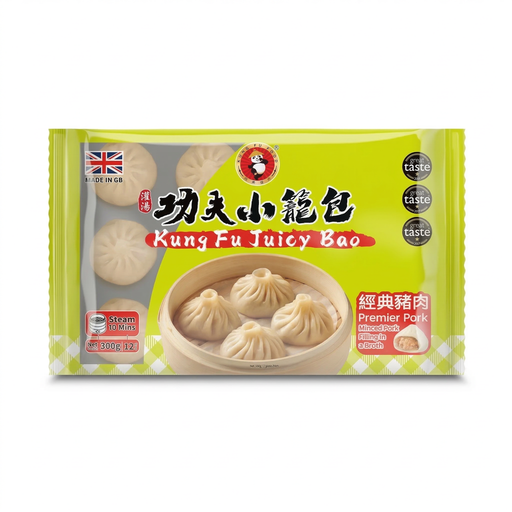
Why This Fits Their Persona: Perfect for a quick yet substantial meal that feels like a treat. These soup dumplings offer a restaurant-quality experience without the effort, steaming from frozen in under 10 minutes.
This product directly counters the "vague ingredient" pitfall by clearly stating its pork content is 35%. This high percentage ensures a rich, savoury broth and filling, avoiding the disappointment of a bland, filler-heavy product.
The thin-yet-chewy pastry holds a generous amount of savoury broth. Simple steaming instructions provide a reliable and delicious result every time.
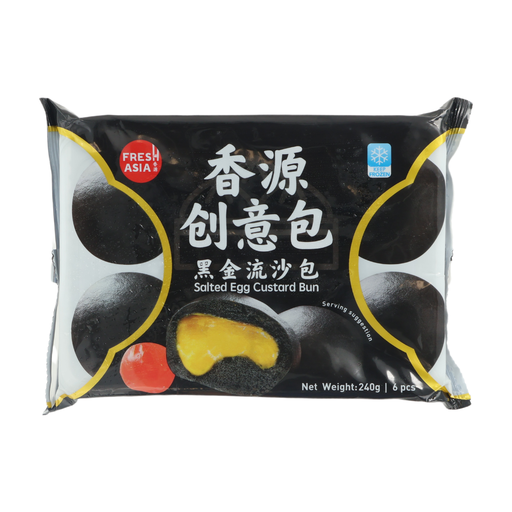
Why This Fits Their Persona: For those who love a classic frozen yum cha session at home, these buns are a must-try. They aim to replicate the indulgent "liu sha" (flowing custard) effect that is the hallmark of a high-quality salted egg custard bun.
It tackles the "texture catastrophe" head-on by explicitly promising a "rich, flowing salted egg yolk custard filling." This sets a clear expectation and delivers on the most critical aspect of this specific dessert, avoiding the common pitfall of a solid, claggy centre.
The striking black bun (coloured with bamboo charcoal powder) provides a great visual contrast. It offers a genuinely indulgent, sweet-and-savoury dessert experience.
We have compiled a complete, real-time list of products that fully satisfy these strict selection criteria and UK safety regulations.
Yes, many products are suitable for air frying, which can be a great way to achieve a crispy texture. Always check the packaging for specific instructions. As a general guide for items like frozen gyoza or potstickers, preheat your air fryer to around 190°C (375°F). Lightly oil the dumplings, place them in a single layer and cook for 8-12 minutes, shaking the basket halfway through, until golden and cooked through. For frozen bao buns, air frying is not recommended as they are designed to be steamed for a soft, fluffy texture.
Soggy buns are often a result of condensation dripping back onto them. To prevent this, ensure your steamer is not boiling too vigorously; a steady, gentle steam is sufficient. You can also wrap the lid of your steamer in a clean tea towel to absorb excess moisture. Finally, once cooked, let the buns rest in the steamer with the heat off for a minute or two before removing the lid. This allows the pressure to equalise and reduces the risk of them deflating or becoming damp.
While all are types of dumplings, they have distinct characteristics.