
24/7 Customer Support

Free returns

Same-day & Next-day Delivery

Quality Guaranteed

Unlock Your Welcome Offers: FREE Delivery | Up to 80% OFF | Free 30-day JoyPlus trial
Download the APP
Frozen Asian food can make dim sum, hot pot, Japanese-style meals and Chinese comfort dishes much easier to prepare at home. It is particularly useful for students, busy households and anyone who does not live near an Asian supermarket.
However, attractive packaging does not always tell you what you need to know. The useful details are usually found in the ingredients, storage instructions and cooking guidance. This guide explains what to check before buying Asian frozen food in the UK, followed by our top recommendations for different types of shopper.
Some products are fully cooked before freezing, while others contain raw fillings or uncooked dough. Frozen dim sum, frozen dumplings and seafood ingredients may require thorough cooking even when preparation takes only a few minutes.
For example, shrimp ha kao contains raw dough and should be steamed from frozen for 8–10 minutes according to its product instructions. Frozen meatballs may also need heating until piping hot throughout. Always distinguish between:
Some Asian frozen food uses surimi, a fish-based paste, rather than crab meat. This is not necessarily a problem, but it affects taste, ingredients and allergen information. Imitation snow crab legs, for example, contain fish surimi, egg and soya rather than crab meat.
Read the quantitative ingredient declaration where available. A product may contain a specific percentage of fish, shrimp or squid, alongside starches, oils, flavourings and seasonings.
A low price can be misleading if the pack is small, difficult to portion or unsuitable for your freezer. Check the net weight, number of pieces and whether the product is individually frozen.
Most products in this selection should be stored at -18°C or below and should not be refrozen after thawing. Frozen seafood may need to be defrosted in the refrigerator and consumed within a stated period. Plan your order around freezer space and delivery timing, particularly when buying several packs for a hot pot meal.
A clear label should explain whether to steam, boil, stir-fry, microwave or defrost first. Instructions vary considerably:
Use the product’s own instructions rather than assuming that all frozen dumplings or seafood ingredients cook in the same way.
UK food labelling highlights allergens such as wheat, soya, sesame, fish, crustaceans, molluscs, eggs, celery and mustard. Check both the ingredients list and the allergen statement, especially when serving children, guests or anyone with a food allergy.
For instance, pork bao buns contain wheat, soya and sesame. Fish siu mai includes fish, wheat, egg and crab extract, while California squid contains molluscs. Halal labelling may also be relevant for shoppers comparing meat-free, fish-based or halal frozen dim sum options.
Choose products according to how you will eat them:
A 500g pack may suit a family meal, while a 200g pack can be more practical for one or two people who want to reduce leftovers.

Why This Fits Their Persona: A 450g pack gives new shoppers a straightforward way to serve steamed bao buns as a snack, breakfast or light meal without preparing dough.
The label identifies the wheat, soya and sesame allergens, plus clear frozen storage and steaming guidance.
450g net weight; pork filling; suitable for steaming from a frozen format according to the packaging instructions.

Why This Fits Their Persona: Suitable for dim sum fans who want a substantial pack for weekend brunches, family meals or entertaining at home.
The stated 37.13% shrimp content and separate crustacean, wheat, sesame and soya allergen information make the composition easier to assess.
500g pack; steam-from-frozen preparation; translucent wheat-starch wrapper and shrimp filling.
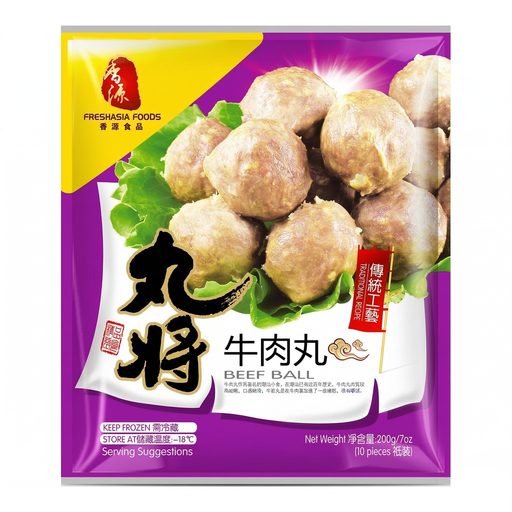
Why This Fits Their Persona: Designed for shoppers who regularly make hot pot, soup or stir-fries and want a compact protein ingredient for the freezer.
The instructions state that the product can be added to boiling soup without defrosting, while also specifying thorough cooking.
200g pack; 12.5g protein per 100g as listed; suitable for hot pot, soup and stir-frying.
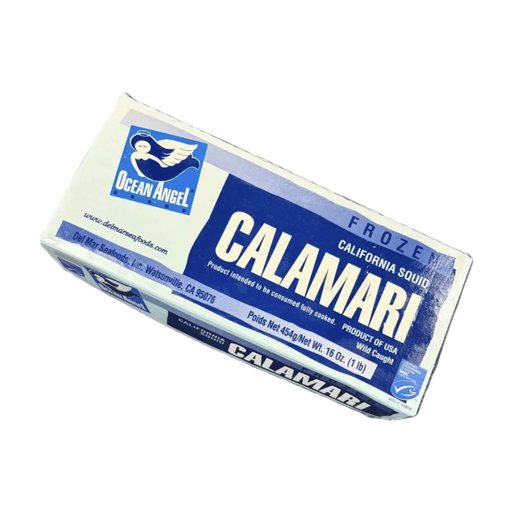
Why This Fits Their Persona: A practical choice for cooks planning stir-fries, noodle dishes or seafood-focused meals from one larger pack.
It lists squid as the sole ingredient and identifies molluscs as the allergen, making it easier to separate from processed seafood products.
454g pack; whole squid format; suitable for slicing, stuffing or adding to Asian-style stir-fries.
We have compiled a complete, real-time list of products that fully satisfy these strict selection criteria and UK safety regulations.
The category can include Chinese frozen food such as dumplings, bao buns and siu mai; Japanese frozen food such as eel and rice-based snacks; seafood ingredients, meatballs, hot pot items, sauces and ready-to-cook Asian meals. Check the origin, ingredients and preparation method rather than relying only on the cuisine label.
It depends on the product. Some fillings may be cooked before freezing, but the item can still require reheating. Others contain raw dough or uncooked fillings. Follow the individual cooking instructions and ensure the centre is thoroughly cooked before eating.
Use the best-before date and storage instructions on the packaging. Keeping products consistently frozen at the stated temperature helps maintain quality. Once thawed, do not refreeze unless the packaging specifically says otherwise.