
24/7 Customer Support

Free returns

Same-day & Next-day Delivery

Quality Guaranteed

Unlock Your Welcome Offers: FREE Delivery | Up to 80% OFF | Free 30-day JoyPlus trial
Download the APP
Buying frozen Asian meatballs and fish balls in the UK can make hot pot, noodle soup and quick family meals much easier. However, attractive packaging and phrases such as “authentic”, “bouncy” or “high meat content” do not always tell you what is inside the pack.
The practical way to compare products is to look beyond flavour descriptions. Check the ingredient percentages, allergens, cooking instructions, storage requirements and whether the product has a filling. These details affect texture, convenience and value far more than marketing language.
A 500g bag may appear more economical than a 200g or 250g pack, but the amount of fish, beef or pork can vary considerably. Some products contain substantial quantities of starch, water or seasoning. Compare the quantitative ingredient declaration, such as “beef 62%” or “fish 40%”, rather than judging value by pack size alone.
Frozen meatballs and fish balls may be cooked, partially cooked or raw. Products that look similar can have very different instructions. Some can be added directly to boiling broth from frozen, while others require thawing before cooking. A raw product must not be eaten without thorough cooking.
Always check whether the pack says cooking required, whether it can be cooked from frozen and how long it should be heated.
Stuffed meatballs can provide a contrasting centre, but the filling may include pork, chicken, soy sauce, wheat, sesame or fish sauce. Fish balls can also contain egg, wheat, soybeans or molluscs such as squid.
For UK households managing food allergies, read the ingredients and allergen statement every time. Recipes and formulations can change, so do not rely solely on a previous purchase.
Ingredient percentages provide a useful comparison between beef balls, pork balls and fish balls. For example:
A higher stated meat or fish percentage does not automatically indicate that a product will suit every dish, but it gives you a clearer basis for comparison. Tendon, fat and starch also influence the final bite.
The word “bouncy” generally describes a springy, elastic texture created by the recipe and processing method. Beef tendon balls, including Chaozhou beef balls, are suited to shoppers who enjoy a firm, chewy bite. Fish surimi products tend to be smoother and lighter, making them useful in Asian noodle soup ingredients and clear broths.
Stuffed meatballs have two textures in one piece. Fuzhou fish balls traditionally pair a fish exterior with a pork centre, while stuffed beef balls may contain a seasoned, juicy filling. These products need careful handling because the centre can remain very hot after cooking.
Most products in this selection require storage at -18°C or below. Keep frozen food in the freezer promptly after delivery and follow the packaging date. Do not refreeze after thawing unless the label specifically permits it.
Cooking times vary. Many frozen hot pot food products take around 3–7 minutes in simmering broth, but raw fish balls and stuffed products must be cooked thoroughly. If stir-frying, allow enough time for the centre to heat through rather than browning only the outside.
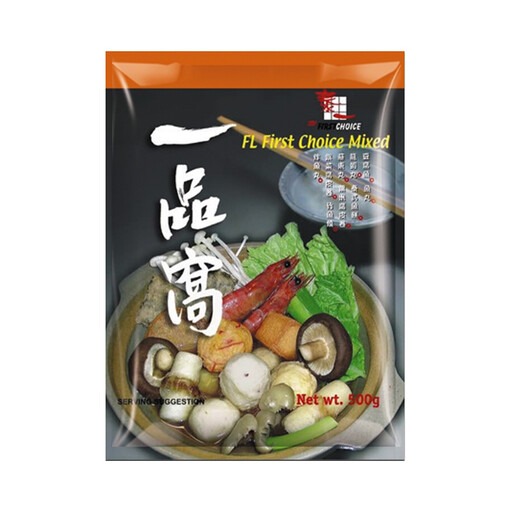
Why This Fits Their Persona: A practical starting point for UK shoppers who want several types of hot pot ingredients in one larger pack for soups, noodles or stir-fries.
The ingredient list identifies beef meatballs, pork meatballs and fish balls separately, rather than leaving the contents as an unspecified assortment.
500g pack; suitable for hot pot, soup and stir-fries; cooks from frozen in boiling liquid.
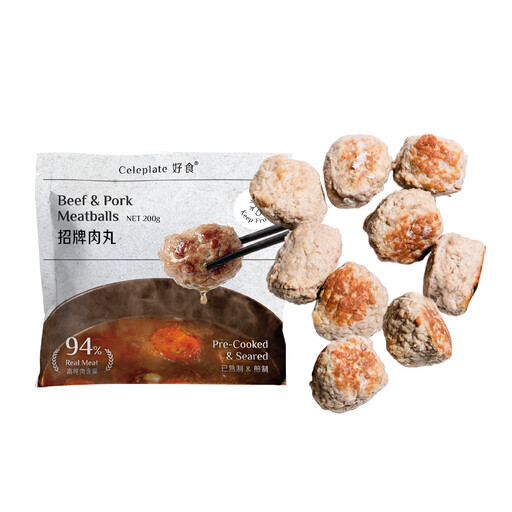
Why This Fits Their Persona: Suitable for shoppers who prioritise a clearly stated meat proportion and a firm meatball for a smaller hot pot gathering.
The 94% pork and beef declaration makes the meat content easier to assess than relying on front-of-pack descriptions.
Pre-cooked and seared; made with pork and beef; useful in hot pot and other meaty dishes.
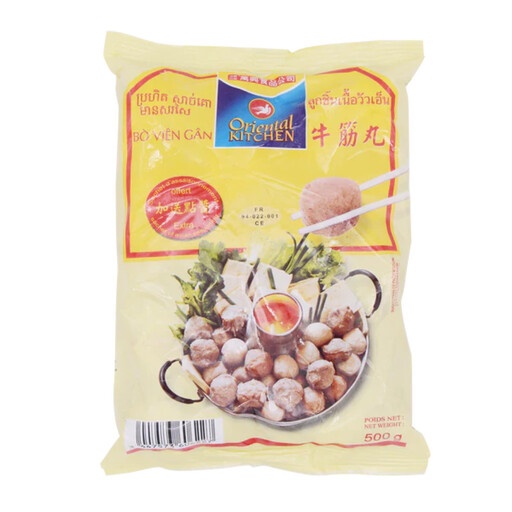
Why This Fits Their Persona: A substantial option for regular hot pot fans, families or cooks preparing several portions of noodle soup and stir-fries.
It specifies both beef and tendon content, helping shoppers understand the source of its springy, chewy texture.
500g quantity; 62% beef and 6% beef tendon; suitable for hot pot, soup, stir-fries and skewers.
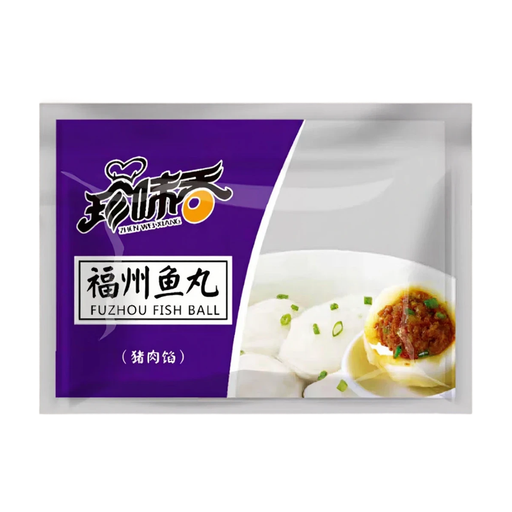
Why This Fits Their Persona: A suitable choice for cooks recreating Fuzhou-style soups, Chinese hot pot or filled fish ball dishes at home.
The label identifies silver carp and pork separately and states that the product is frozen raw fish balls, so the cooking requirement is clear.
40% silver carp; pork filling; designed for soups, noodles, hot pot and steaming.
We have compiled a complete, real-time list of products that fully satisfy these strict selection criteria and UK safety regulations.
For hot pot or Asian noodle soup ingredients, bring the broth to a steady simmer before adding the balls. Avoid overcrowding the pan, as this can reduce the temperature and extend cooking time.
Some can, but not all. Products labelled as suitable for cooking from frozen may be placed directly into simmering broth. Others, including certain Vietnamese meatballs, instruct you to thaw first. Always follow the individual packaging instructions.
Many fish balls take approximately 3–7 minutes in boiling water or broth, but the exact time depends on size and whether the product is raw or pre-cooked. They should be piping hot and fully cooked before serving.
Yes. Stuffed beef balls, pork balls and Fuzhou fish balls can add extra texture and flavour to noodle soup. Add them early enough for the filling to heat through and check the allergen information if the filling contains soy, wheat, sesame, fish or other listed allergens.