
24/7 Customer Support

Free returns

Same-day & Next-day Delivery

Quality Guaranteed

Unlock Your Welcome Offers: FREE Delivery | Up to 80% OFF | Free 30-day JoyPlus trial
Download the APP
Frozen Asian meatballs are a convenient way to add texture and flavour to hot pot, noodle soups, stir-fries and quick family meals. However, packs that look similar can differ considerably in meat content, filling, allergens, cooking requirements and pack size.
As the Joybuy Product Recommendation Officer, I focus on the information that helps shoppers look past vague descriptions and choose frozen hot pot ingredients that match how they actually cook.
Terms such as “bouncy”, “springy” and “Q-texture” describe how a meatball feels when eaten, but they do not tell you how much meat it contains. Starch, water, fat and stabilisers can all affect texture.
For example, the Celeplate Beef & Pork Meatballs list 94% pork and beef, while other products use a combination of meat, starch, tendon or chicken. Neither approach is automatically right for every dish, but the ingredient percentages help you understand what you are buying.
Stuffed meatballs can contain a separate centre made with chicken, pork, sauce or soup. This creates a different eating experience, but it also adds ingredients that may not be obvious from the front of the pack.
Always check the label for wheat, soya, egg, sesame, fish, mustard, celery, molluscs and crustaceans. Several Asian-style meatballs include soy sauce, wheat starch or fish sauce, so they may not suit every household.
Some frozen Asian meatballs are cooked and can be heated directly from frozen. Others are labelled as requiring cooking. Cooking times also vary: certain products float after around 3–5 minutes, while larger or filled varieties may need longer heating.
Follow the packaging instructions, keep frozen products at -18°C or below, and do not refreeze after thawing unless the label specifically permits it.
For a more substantial beef or pork meatball, look for a clearly stated meat percentage. Celeplate Beef & Pork Meatballs contain 94% pork and beef, while FRESHASIA Wan Jiang Pork Ball lists 70% pork and 12% chicken. Other options combine beef with tendon or use pork, chicken and mushrooms for a more varied texture.
A higher meat percentage may give a denser bite, but a lower percentage product can still be suitable for soup, noodles or hot pot where the meatball absorbs broth and contributes flavour.
Choose according to the dish:
“Hong Kong beef balls” and “Chaozhou beef balls” are often associated with a firm, elastic texture. Check the actual ingredients rather than relying only on regional wording. Some recipes include beef tendon, tapioca starch, pork fat or seasonings that influence the final bite.
Pack sizes in this selection range from 200g to 500g. A 200g pack can suit a student, couple or trial purchase, while 360g and 500g formats are more practical for a group hot pot.
Keep unopened packs frozen and check the use-by or best-before information on the packaging. Once opened, store according to the label and use promptly. Avoid buying more than your freezer can hold safely, as poor airflow or repeated temperature changes can affect food quality.
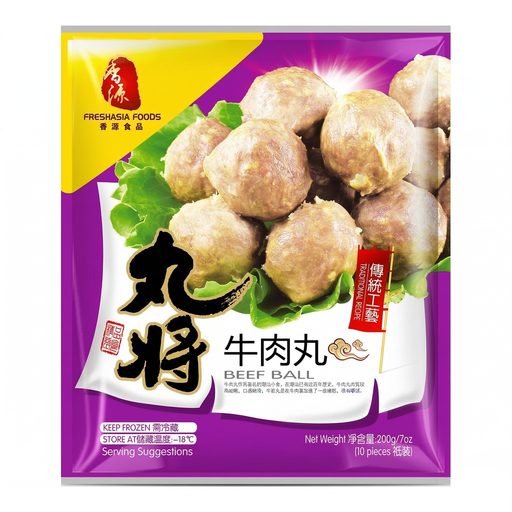
Why This Fits Their Persona: A manageable 200g pack suits shoppers trying beef meatballs for hot pot, soup or stir-fries without committing to a larger quantity.
The pack states beef as the main ingredient and provides a per-100g nutrition panel, making comparison easier than relying on texture wording alone.
Fully cooked and frozen; contains 12.5g protein per 100g and can be added directly to boiling soup.
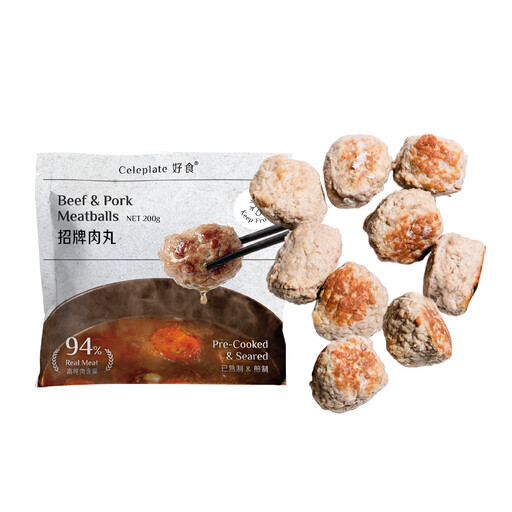
Why This Fits Their Persona: Suitable for shoppers who prioritise a clearly stated high meat percentage and a firm, seared exterior for hot pot or meaty dishes.
Its stated 94% pork and beef content gives a direct point of comparison, rather than leaving the meat proportion unclear.
Pre-cooked and seared; sourced from Sweden; 200g pack with pork and beef as the listed main ingredients.
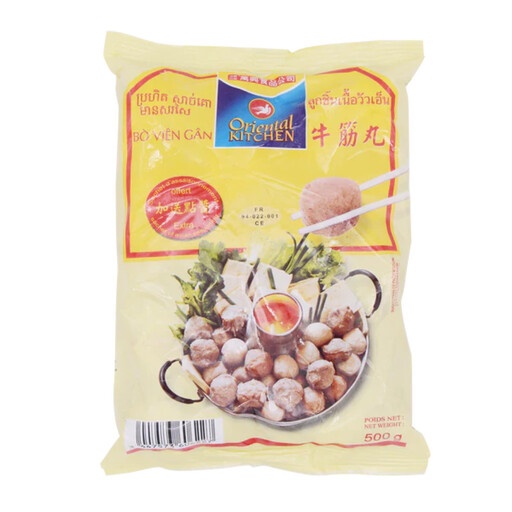
Why This Fits Their Persona: The 500g pack is practical for larger hot pots, shared noodle meals and households that use frozen ingredients regularly.
The label separates beef content at 62% from beef tendon at 6%, helping you anticipate a tendon-flecked, springy texture.
500g quantity; contains 62% beef and 6% beef tendon; suitable for hot pot, soup, stir-fries and skewers.

Why This Fits Their Persona: A useful choice for diners seeking a filled centre and a different texture from standard beef balls, particularly in a shared hot pot.
The product is specifically identified as stuffed, and its wheat, soya and sesame allergens are listed for easier household planning.
360g pack; beef and beef fat recipe; can be boiled, steamed or added to hot pot for around 3–5 minutes.
Most products can be used straight from frozen, but check the individual instructions first. Add beef meatballs or pork meatballs to simmering broth, then serve with leafy greens, tofu, noodles and dipping sauces. Chicken meatballs work well in lighter soups and family noodle bowls.
For stir-fries, heat the meatballs thoroughly before adding vegetables and sauce. Products such as Hong Kong Boy Takeaway Beef Ball Original or Black Pepper can also suit noodle soups and steaming. If you are preparing Chaozhou beef balls or other bouncy meatballs, avoid aggressive stirring that could split the surface.
Food safety remains important: cook until the centre is piping hot, prevent cross-contamination and follow the storage instructions printed on the pack.
We have compiled a complete, real-time list of products that fully satisfy these strict selection criteria and UK safety regulations.
Many products in this selection are designed to go directly into boiling water, soup or hot pot from frozen. However, instructions differ between products. Follow the stated cooking time and make sure the centre is fully heated before serving.
Keep them at -18°C or below and use them by the date shown on the packaging. Once thawed, do not refreeze. After opening, keep the remaining meatballs covered and follow the product’s storage guidance.
Firm beef balls, pork balls, tendon beef balls and stuffed meatballs are all commonly used as Chinese hot pot meatballs. Select by texture and flavour: choose tendon or stuffed options for variety, beef or pork for a richer broth pairing and chicken meatballs for a lighter bowl. Always check allergens before serving.