
24/7 Customer Support

Free returns

Same-day & Next-day Delivery

Quality Guaranteed

Unlock Your Welcome Offers: FREE Delivery | Up to 80% OFF | Free 30-day JoyPlus trial
Download the APP
Frozen Asian snacks and pastries can make breakfast, packed lunches, after-school treats and casual entertaining much easier. However, attractive packaging does not always tell you how much preparation is required, what the filling contains or whether the product will suit your freezer and cooking equipment.
This guide explains the buying details that matter before choosing frozen Asian snacks and pastries, including Chinese steamed buns, mantou buns, vegetable-filled buns, frozen egg tart shells, puff pastry and Asian desserts.
Some frozen Chinese food is designed to be steamed, baked or microwaved, while other products are already cooked and only need warming. A steamed bun may require 10–18 minutes over boiling water, whereas a ready-to-eat pineapple cake can be served directly from the packet.
Always check the preparation instructions rather than relying on phrases such as “convenient” or “quick”. Products that require thorough heating should reach the condition stated on the packaging before serving.
Chinese steamed buns and Asian frozen snacks commonly contain wheat, soya, sesame, egg or milk. Vegetable-filled buns are not automatically suitable for every diet: fillings may include soy sauce, sesame oil, gluten-based ingredients or flavour enhancers.
For UK households managing allergies, check the ingredients and bold allergen declaration every time. Also remember that “vegetarian” describes the filling or recipe, not necessarily the absence of all allergens.
A multi-pack may appear economical, but frozen products need storage at -18°C or below and should not be refrozen after thawing. Consider pack size, freezer capacity and how many portions you can use before opening. Individual buns or resealable packs can be more practical for students, smaller households and busy professionals.
Choose the preparation method that matches your kitchen. Steaming is suitable for mantou buns and filled buns, helping retain a soft texture. Some products can also be microwaved, while puff pastry and frozen egg tart shells need an oven.
For example:
Do not assume that one appliance setting suits every item. Follow the product packaging, particularly for products containing fillings.
Compare net weight and piece count, not just the front-of-pack size. A 480g pack may contain individual buns suitable for several breakfasts, while a 360g pack of tart shells is better suited to planned baking.
For back-to-school snacks, bite-sized cakes or individually portioned buns can reduce waste. For family meals, larger packs of mantou, paratha pancakes or vegetable-filled buns may offer more flexibility.
Check the first ingredients to understand the product’s basic composition. San Quan Wheat Bun, for instance, lists wheat flour, water, sugar, sunflower oil and yeast. A product such as FRESHASIA Chinese Bun with Mushroom and Bamboo Shoot Filling includes bamboo shoots, shiitake mushrooms, gluten and soy ingredients.
Nutrition information can also help with comparison. For example, the San Quan wheat bun provides 251 kcal per 100g, while the mushroom and bamboo shoot bun provides 211 kcal per 100g. These figures are not a recommendation, but they help you compare products according to your household’s needs.
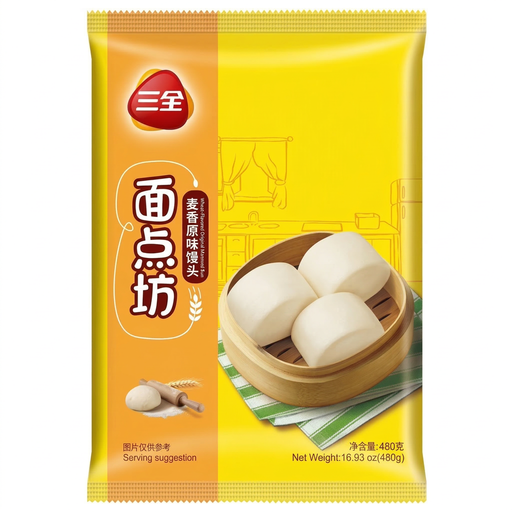
Why This Fits Their Persona: A straightforward option for first-time buyers who want a plain breakfast staple or side dish. The 480g pack can suit families, shared flats and weekday meal planning.
Its ingredient list is short and clearly states that the buns are frozen and require cooking, avoiding confusion about fillings or serving status.
Plain wheat-based mantou with a soft steamed texture and subtle sweetness; suitable as a breakfast food or meal accompaniment.

Why This Fits Their Persona: Suits shoppers looking for a more distinctive savoury filling for breakfast, lunchboxes or a light evening meal.
The filling composition is specified, including 16% bamboo shoots and 2.5% shiitake mushrooms, with wheat and soya allergens identified.
Vegetarian filling with bamboo shoots, shiitake mushrooms and gluten; steam from frozen for approximately 10–12 minutes.
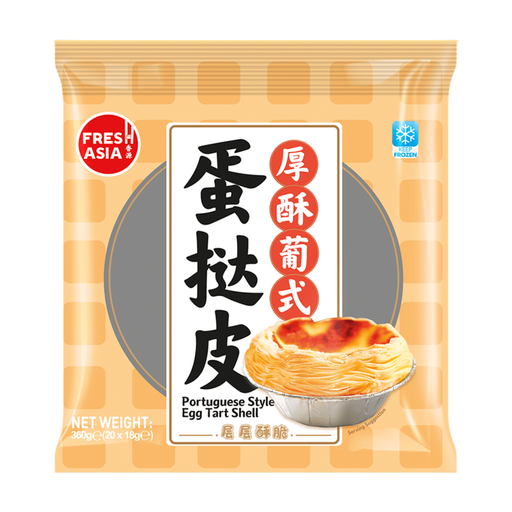
Why This Fits Their Persona: A practical choice for keen home bakers who want to prepare egg tarts, fruit tarts or savoury pastry portions without making pastry from scratch.
The product is clearly a pastry shell rather than a finished dessert, with instructions to thaw slightly, add filling and bake thoroughly.
Ready-to-use puff pastry shells with a 360g pack size; suitable for approximately 15–20 minutes of baking at 200°C, depending on the recipe.
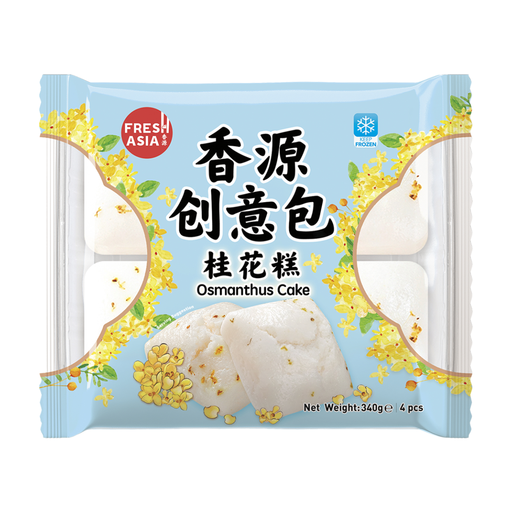
Why This Fits Their Persona: Works for families wanting an Asian dessert or after-school snack with a floral flavour and a simple warming method.
It is labelled as a frozen cake that needs heating, rather than implying that it is an instant snack straight from the freezer.
Made with glutinous rice flour and osmanthus flower; can be steamed for 8–10 minutes or microwaved for around 1–2 minutes.
We have compiled a complete, real-time list of products that fully satisfy these strict selection criteria and UK safety regulations.
For savoury variety, compare paratha pancakes, Chinese spinach buns, preserved cabbage buns and beancurd skin buns. These can work as quick lunches or accompaniments, but check whether the instructions require thawing before cooking.
For sweet options, consider Chinese cakes, pineapple cakes, pandan mantou, chocolate mantou or Mid-Autumn Festival pastries. Ready-to-eat products such as pineapple cake are convenient for desks and packed lunches, while frozen products such as sponge cake may need thawing or steaming.
Garlic baguettes and ready-rolled puff pastry are also useful freezer staples when you want familiar bakery items alongside Asian dishes. They may require oven cooking, so check cooking time and freezer space before adding them to a mixed order.
Follow the best-before information on the packaging and keep products at -18°C or below. Once thawed, do not refreeze unless the packaging specifically states otherwise. Opened products should generally be sealed and used according to the label instructions.
Some plain mantou buns provide microwave instructions, but not every filled bun does. If microwave cooking is permitted, use the stated power and time, and check that the centre is hot. Otherwise, steaming is the appropriate method.
They can be suitable when cooked, cooled and packed according to normal food-safety practice. Choose products with manageable portion sizes, check allergens carefully and avoid packing items that must remain frozen unless you have a suitable insulated container.