
24/7 Customer Support

Free returns

Same-day & Next-day Delivery

Quality Guaranteed

Unlock Your Welcome Offers: FREE Delivery | Up to 80% OFF | Free 30-day JoyPlus trial
Download the APP
Frozen Asian steamed buns can turn a rushed breakfast, packed lunch or light dinner into a warm meal with very little preparation. However, the category includes several different formats: filled bao buns, plain mantou buns, openable gua bao buns, sweet red bean buns and pan-fried varieties. Choosing by appearance alone can lead to disappointing texture, unsuitable cooking methods or a product that does not match your dietary needs.
This guide from the Joybuy Product Recommendation Officer explains what to check before buying frozen Asian steamed buns, followed by recommendations matched to different UK shopping habits.
The terms “bao buns” and “gua bao buns” are often used interchangeably, but they are not the same format. Filled steamed buns contain the meat, mushroom or vegetable filling inside the dough. Gua bao buns are usually folded, openable buns designed to be filled at home with ingredients such as braised pork, fried chicken, tofu or pickled vegetables.
If you want a ready-to-eat snack, choose filled steamed buns. If you are planning a homemade dim sum platter, gua bao buns may provide more flexibility.
Preparation varies considerably. Some frozen Asian food can be microwaved in under a minute, while other products need steaming from frozen or thawing before cooking. Pan-fried buns require a different technique altogether, often involving oil, water and a covered pan.
Always check whether the pack specifies microwave, steaming, pan-frying or air-fryer preparation. A product designed for steaming may become dry if heated uncovered in a microwave.
Many Chinese steamed buns contain wheat and soya, while fillings may also include sesame, milk, egg, mustard, celery, molluscs or sulphites. Vegetarian suitability also needs careful checking, as seasonings and flavourings can vary between products.
Read the current packaging before purchase, particularly if you are buying for children, vegetarians or anyone with a food allergy. Product information can change between batches.
Plain mantou buns are made to accompany savoury dishes, curries or stews, while filled options can work as a complete snack or light meal. Pork bao buns, chicken bao buns and mushroom-filled varieties offer savoury choices. Red bean buns and pandan mantou are more suitable for breakfast, afternoon tea or a sweet snack.
For homemade gua bao buns, look for a pack described as lotus leaf buns, hirata buns or gua bao buns. These are generally easier to open and fill than sealed buns.
Pack sizes range from small six-piece packs to larger 600g or 1.2kg bags. Smaller packs can suit students, solo lunches and first-time buyers, while larger packs may be more practical for families or regular dim sum meals.
Check the stated piece count where available. For example, a 300g pack containing approximately six bao gives a straightforward portion guide, while a 1.2kg pack can support batch cooking and sharing.
Frozen steamed buns should normally remain at -18°C or below. Avoid refreezing after thawing unless the packaging specifically permits it. For safe preparation, follow the stated cooking time and ensure filled buns are heated thoroughly and piping hot throughout.
A steamer usually gives the softest texture. Microwaving can be convenient for work lunches, but covering the bun or using a supplied steam pouch helps reduce moisture loss. Pan-fried buns are a separate category: they may be raw frozen dough and must be cooked according to the pack instructions rather than simply reheated.
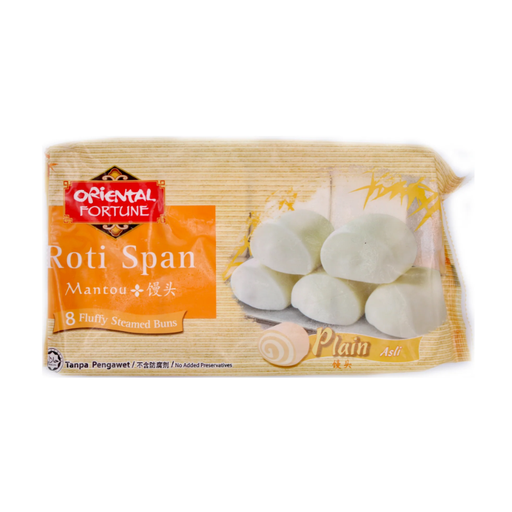
Why This Fits Their Persona: A plain six-piece pack gives new shoppers a flexible introduction to mantou buns without committing to a filled flavour.
The product is clearly a plain mantou rather than a filled bao, so buyers can plan suitable pairings and cooking methods.
Approx. six pieces per 360g pack; suitable for steaming, slicing and toasting or serving with stews.
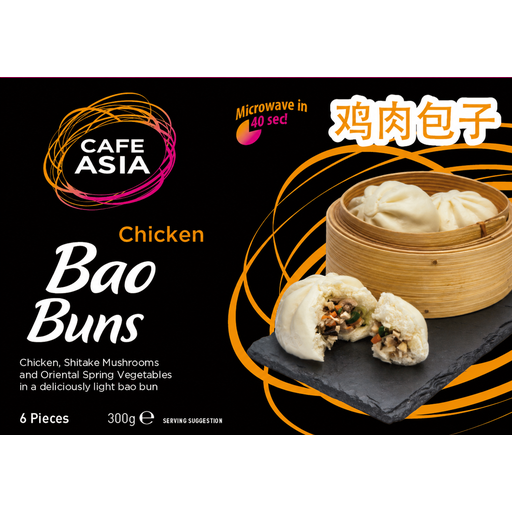
Why This Fits Their Persona: Suitable for shoppers seeking a filled bao with a short preparation time for a desk lunch or quick evening meal.
The pack states microwave preparation in the provided steam pouch or steaming from frozen, making the intended method clear.
Approximately six pieces; chicken, shiitake mushroom, carrot and glass noodles in the filling.
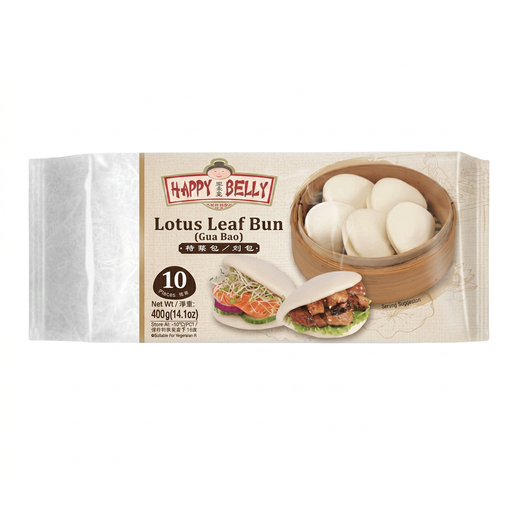
Why This Fits Their Persona: A vegan and vegetarian-friendly option for building customised gua bao with tofu, vegetables or plant-based fillings.
It is an unfilled lotus leaf bun, so there is no assumption that the filling matches your diet; the listed suitability is vegan and vegetarian friendly.
Ten 40g buns; suitable for steaming and pairing with savoury or plant-based fillings.
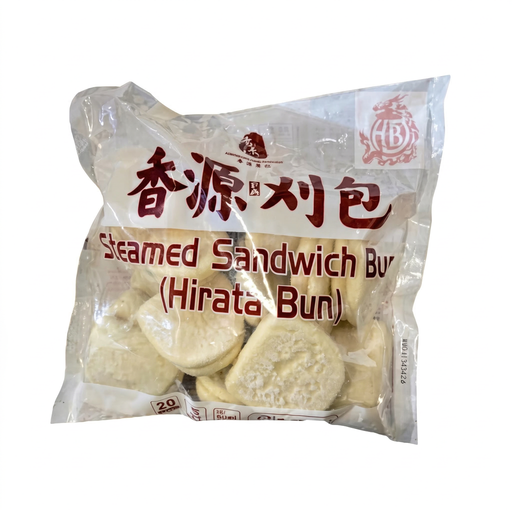
Why This Fits Their Persona: The larger format is suited to family meals, weekend dim sum or shoppers who regularly prepare homemade gua bao.
The product is specifically described as a large hirata bun for steaming and filling, avoiding confusion with sealed bao.
1.2kg pack; intended for steaming and custom fillings such as braised pork or pickled vegetables.
We have compiled a complete, real-time list of products that fully satisfy these strict selection criteria and UK safety regulations.
Follow the pack instructions, as timings differ by size and filling. Many products require around 8–12 minutes over boiling water, while some can be microwaved with a little water or in a steam pouch. Keep the lid closed during steaming and heat until piping hot throughout.
Keep them at -18°C or below and follow the best-before date on the packaging. Once thawed, do not refreeze unless the label expressly allows it. After opening, seal the pack well to limit freezer odour and moisture loss.
The main running cost is the cooking method. A microwave generally heats a small portion quickly, while a steamer may be more practical for several buns at once. Batch steaming can make larger packs useful for families, shared lunches and homemade dim sum.