
24/7 Customer Support

Free returns

Same-day & Next-day Delivery

Quality Guaranteed

Unlock Your Welcome Offers: FREE Delivery | Up to 80% OFF | Free 30-day JoyPlus trial
Download the APP
As a Joybuy Product Recommendation Officer, my role is to help you navigate the crowded aisles of online grocery shopping. When it comes to cooking authentic Asian cuisine at home, the freezer section can be your greatest ally, offering convenience and access to ingredients that aren't always available fresh. However, not all frozen products are created equal. Let's look at how to choose wisely and avoid the common pitfalls that lead to disappointing meals and wasted money.
Many of us have been there: you buy a bag of frozen vegetables expecting convenience, only to be met with a solid block of ice, mushy textures or flavours that just don't taste right. Here are a few issues to watch out for:
To ensure you're getting quality ingredients that will elevate your home cooking, focus on these three core parameters.
The most reliable indicator of a pure product is a short, simple ingredient list. For most single-ingredient vegetables, you should be looking for one thing: the name of the vegetable itself. For example, a bag of frozen edamame should ideally list "Soybeans (Edamame)" and nothing else. This guarantees you are in full control of the seasoning, which is essential for authentic frozen Indian vegetables used in complex curries or frozen Chinese vegetables for a delicate stir-fry.
The way a vegetable is prepared can make or break a recipe. Manufacturers offer different cuts to suit various cooking methods, and choosing the right one is a significant time-saver.
IQF, or Individually Quick Frozen, is a process where each piece of vegetable is frozen separately. This prevents the items from clumping together into a solid, icy block. An IQF product means you can easily pour out the exact portion you need and return the rest to the freezer. It's a good sign that the product will have a better texture, as the rapid freezing process helps preserve the cell structure of the vegetable.
Based on these practical criteria, here are a few recommendations from our catalogue, matched to different cooking styles and needs.
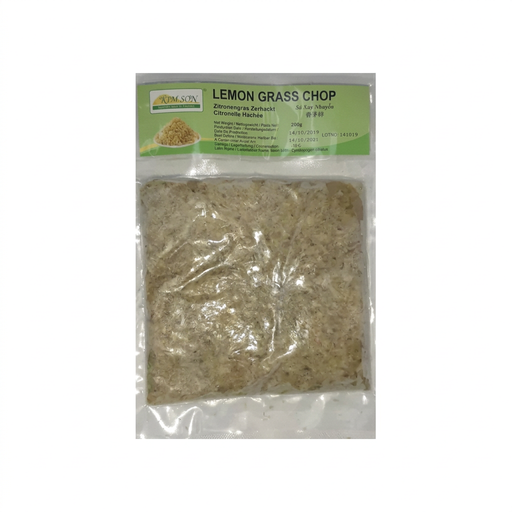
Why This Fits Their Persona: For anyone who loves the bright, citrusy flavour of Southeast Asian cooking but lacks the time to peel and finely chop tough lemongrass stalks, this product is a game-changer. It provides a powerful flavour base for curries, marinades and soups in seconds.
It solves the "inconsistent prep" problem by offering a uniform, finely minced product that distributes flavour evenly without any effort.
Made from 100% lemongrass, it locks in the authentic aroma and taste. The frozen format allows you to scoop out what you need, minimising waste.
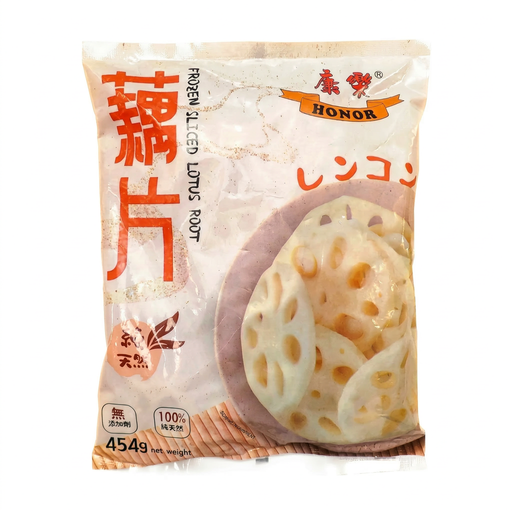
Why This Fits Their Persona: For the home cook dedicated to recreating authentic Chinese dishes, lotus root is a must-have. It's notoriously difficult to find fresh and laborious to prepare. This frozen version provides the unique crunchy texture and subtle sweetness for stir-fries, soups and hot pots.
With an ingredient list of "Lotus root (100%)", it avoids the "hidden additives" trap, ensuring a pure, natural taste that won't interfere with your recipe.
The uniform slices cook evenly, and the quick-freezing process helps maintain the vegetable's characteristic crispness, avoiding the mushiness of poorly frozen produce.
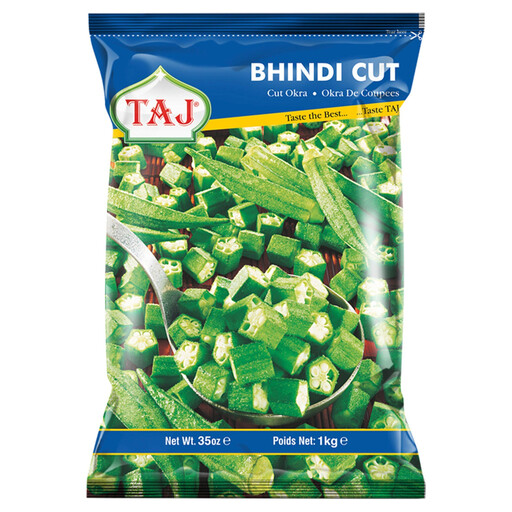
Why This Fits Their Persona: For those cooking regular family meals, having a large, reliable pack of a staple vegetable is essential. This 1kg bag of cut okra (bhindi) is perfect for making multiple batches of bhindi masala or other Indian curries without frequent trips to the shop.
The "family cut" provides uniform pieces, directly addressing the pitfall of inconsistent sizing. This ensures all the okra cooks at the same rate in your curry, giving a consistent texture throughout the dish.
It's a large 1kg pack of pre-washed and pre-cut okra, offering great value and saving a significant amount of preparation time for busy family cooks.
We have compiled a complete, real-time list of products that fully satisfy these strict selection criteria and UK safety regulations.
1. Do I need to thaw frozen Asian vegetables before cooking? For most applications like stir-frying, boiling or adding to curries, it is generally better to cook these ready to cook Asian ingredients directly from frozen. This helps them retain their texture and prevents them from becoming waterlogged and mushy. Always refer to the specific instructions on the packaging, but in most cases, adding them straight to a hot pan or boiling water yields better results.
2. How can I prevent frozen okra from becoming slimy? This is a very common question about frozen okra. The key is to use high, direct heat. Add the frozen okra to a hot pan with a generous amount of oil and let it sear without stirring too much at first. This helps to cook the outside quickly and reduces the release of mucilage (the substance that creates the slimy texture). Avoid boiling it for long periods if you want to maintain a firm bite.
3. Are pre-chopped frozen vegetables less nutritious than whole ones? The nutritional difference is typically negligible. Commercial pre-chopped frozen vegetables are usually processed and flash-frozen very quickly after being harvested, which is highly effective at preserving vitamins and minerals. The convenience of not having to wash, peel or chop can make it easier to include more vegetables in your meals, which is a significant benefit.