
24/7 Customer Support

Free returns

Same-day & Next-day Delivery

Quality Guaranteed

Unlock Your Welcome Offers: FREE Delivery | Up to 80% OFF | Free 30-day JoyPlus trial
Download the APP
As a Joybuy Product Recommendation Officer, my role is to help you navigate the crowded online marketplace. When it comes to stocking your freezer, the convenience of having authentic ingredients on hand is undeniable. However, not all frozen Asian vegetables are created equal. A quick online search can leave you with options that promise freshness but deliver disappointment.
Many home cooks in the UK find themselves with products that turn to mush, lack flavour, or are simply the wrong cut for their intended recipe. Let's look at the common pitfalls to avoid, ensuring your money is spent on quality ingredients that elevate your meals, from a quick weeknight stir-fry to an elaborate weekend curry.
To ensure you get authentic, high-quality produce, focus on these key parameters before you add anything to your basket.
Always look for vegetables processed using the Individually Quick Frozen (IQF) method. This technique freezes each piece of vegetable separately and rapidly.
The way a vegetable is prepared is crucial for the success of your dish. Whether you need frozen okra, frozen taro root or a frozen stir fry mix, check the product description for specific terms.
A short, clean ingredient list is a reliable indicator of quality. For plain frozen vegetables, the list should ideally contain just the vegetable itself. For preserved items like bamboo shoots or pickles, scrutinise the additives.
Based on these practical criteria, here are a few selections tailored to different cooking needs and lifestyles.

Why This Fits Their Persona: This mix is the ultimate time-saver for anyone juggling a busy schedule in the UK. It eliminates the need for washing, peeling and chopping multiple vegetables, allowing a healthy, home-cooked meal to be ready in minutes.
It directly counters the "cut & prep deception" by providing a consistent, ready-to-use blend of vegetables, including peppers, beansprouts and bamboo shoots, ensuring even cooking.
A diverse mix of eight vegetables provides varied textures and flavours. It can be cooked directly from frozen in about 8 minutes.
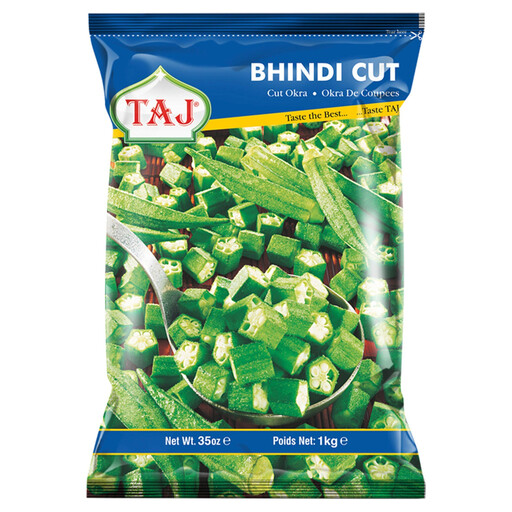
Why This Fits Their Persona: For those dedicated to making traditional South Asian dishes like bhindi masala or sambar, having quality okra is non-negotiable. This large 1kg bag is ideal for families or batch cooking, providing a staple ingredient without the hassle of prepping fresh okra.
This product is specifically "cut okra," ensuring you get the right format for curries and stews. The freezing process locks in flavour and texture, avoiding the "freshly frozen" myth of subpar produce.
Pre-washed and uniformly cut, saving significant prep time. The quick-freezing process helps minimise the sliminess often associated with fresh okra.
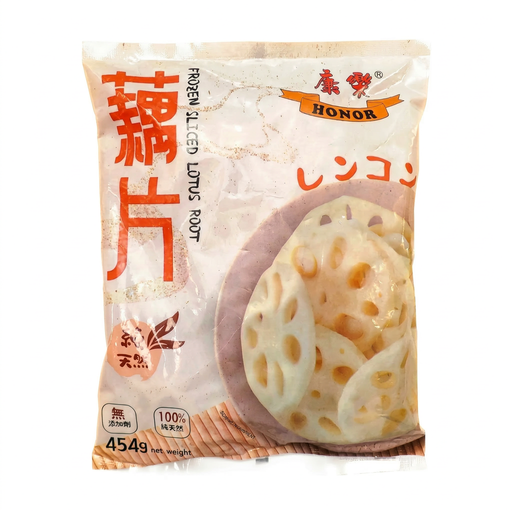
Why This Fits Their Persona: For the adventurous cook keen on exploring textures and flavours, especially in hot pots, salads or stir-fries. Frozen lotus root provides year-round access to an ingredient that can be difficult to find fresh and is laborious to prepare.
With an ingredient list of just "Lotus root (100%)", it completely avoids the pitfall of hidden additives. The uniform slices ensure consistent cooking, a must for dishes like hot pot.
Offers a unique, satisfyingly crunchy texture and a mild, sweet flavour. It is highly versatile and can be stir-fried, boiled or even baked into chips.
We have compiled a complete, real-time list of products that fully satisfy these strict selection criteria and UK safety regulations.
For most applications, especially stir-frying or adding to curries and soups, it is better to cook vegetables directly from frozen. This helps them retain a firmer, crisper texture. Thawing them first can draw out moisture and lead to a mushy result. Always check the specific package instructions, but cooking from frozen is generally the recommended method.
The key is to use high heat. Add the frozen okra directly to a hot, well-oiled pan and stir-fry quickly. This sears the outside and minimises the release of mucilage (the substance that causes sliminess). Another tip is to add an acidic ingredient, such as chopped tomatoes, tamarind or a squeeze of lemon juice, towards the end of the cooking process.
Vegetables destined for freezing are typically picked at their peak ripeness and processed within hours, often using IQF methods that lock in vitamins and minerals. In contrast, "fresh" produce can spend days in transit and on supermarket shelves, gradually losing nutrients. Consequently, frozen vegetables can be just as, and sometimes even more, nutritious than their fresh counterparts.