
24/7 Customer Support

Free returns

Same-day & Next-day Delivery

Quality Guaranteed

Unlock Your Welcome Offers: FREE Delivery | Up to 80% OFF | Free 30-day JoyPlus trial
Download the APP
From bustling street food stalls to refined dim sum restaurants, the appeal of a soft, fluffy steamed bun is undeniable. The convenience of frozen bao buns promises to bring this experience into our home kitchens. However, the reality of what’s available in the freezer aisle can often fall short, leading to disappointing meals and wasted money.
As a Joybuy Product Recommendation Officer, my role is to help you navigate the market. This guide will highlight the common pitfalls to watch out for when you buy Asian buns online and explain the key factors that separate a satisfying bun from a doughy disaster.
Before adding a pack to your basket, be aware of these frequent issues that can turn a quick meal into a letdown:
To ensure you get the authentic experience you're looking for, focus on these three non-negotiable points before you buy.
Not all Chinese steamed buns are the same. Understanding the two main categories is the first step to choosing the right product for your meal.
For pre-filled baozi, the filling is everything. A quick look at the packaging can reveal a lot.
Be realistic about the preparation you're willing to do.
Based on these criteria, here are a few recommendations from our catalogue, matched to different needs and preferences.

Why This Fits Their Persona: This is for the person who wants to replicate the authentic Shanghai sheng jian bao experience at home. It’s designed specifically for the pan-fry and steam method to achieve that signature crispy bottom and soupy, flavourful interior.
It sidesteps the "texture mismatch" pitfall by being engineered for pan-frying, not just steaming. The product description highlights the "juicy filling" and "rich broth," directly addressing the fear of a bland, dry centre.
Delivers a multi-layered texture: a golden, crispy base with a soft, steamed top. The filling is seasoned pork with ginger and spring onion for a classic flavour profile.
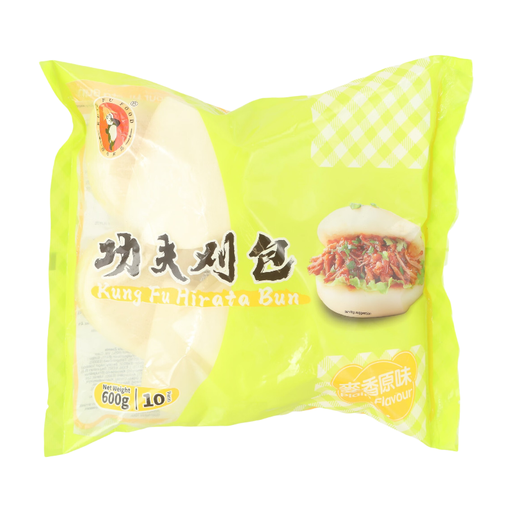
Why This Fits Their Persona: This is a blank canvas for anyone who loves to build their own meal. These plain, folded gua bao are perfect for stuffing with anything from traditional braised pork to crispy fried chicken or roasted vegetables, giving you complete creative control.
It completely avoids the "underwhelming filling" pitfall by having no filling at all. The focus is solely on the quality of the bun itself, which is designed to be soft and fluffy, directly addressing the primary concern for this type of product.
Highly versatile for sweet or savoury fillings. The simple steaming instructions (5-8 minutes from thawed) are straightforward and reliable, ensuring a perfect texture every time.
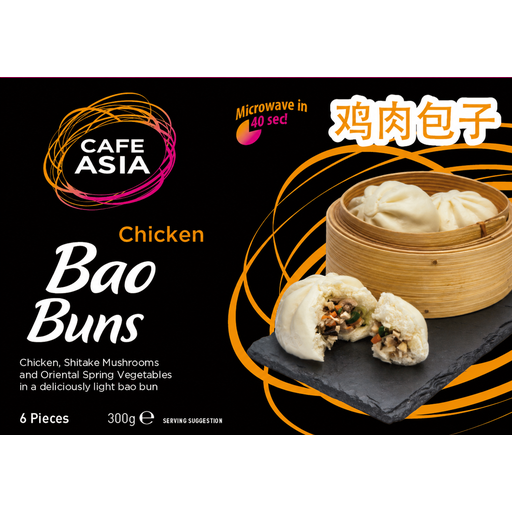
Why This Fits Their Persona: This product is built for speed and simplicity. It's an ideal choice for a quick work-from-home lunch or an easy snack for the family, delivering a satisfying meal with minimal effort and time.
It tackles the "deceptive convenience" trap head-on by including a microwaveable steam pouch. This makes the "ready in under a minute" claim reliable, ensuring a soft, fluffy result without the risk of a tough, microwaved texture.
Maximum convenience with the included steam pouch for microwave cooking. The savoury filling of chicken, shiitake mushroom and carrot is a crowd-pleasing combination.
We have compiled a complete, real-time list of products that fully satisfy these strict selection criteria and UK safety regulations.
Do I need a special bamboo steamer for frozen bao buns? No, you don't. While a traditional bamboo steamer is great, you can achieve the same result with equipment you likely already have. Simply place a metal colander or heatproof sieve over a pot with an inch of simmering water, making sure the water doesn't touch the bottom of the colander. Place the buns inside, cover the pot with a lid and steam according to the package directions.
How can I get a crispy bottom on my pan-fried pork buns? The secret is a two-stage cooking process. First, heat a small amount of oil in a non-stick frying pan over medium heat. Place the frozen buns in the pan and fry for 2-3 minutes until the bottoms are golden brown. Next, carefully add about 1-2 cm of water to the pan—it will sizzle—and immediately cover with a tight-fitting lid. Let the buns steam for 5-8 minutes, or until the water has completely evaporated. This steams the dough and cooks the filling while the bottom stays crisp.
Can I refreeze bao buns once they have thawed? It is strongly advised not to. Most packaging for frozen foods, including bao buns, will state "Do not refreeze once defrosted." Thawing and refreezing can compromise the texture of both the dough and the filling, leading to a mushy or dry result. More importantly, it can introduce food safety risks. It is always best to cook the buns immediately after they have thawed.