
24/7 Customer Support

Free returns

Same-day & Next-day Delivery

Quality Guaranteed

Unlock Your Welcome Offers: FREE Delivery | Up to 80% OFF | Free 30-day JoyPlus trial
Download the APP
Frozen bao buns can turn a busy morning, quick lunch or relaxed dim sum spread into a simple meal. However, not every pack suits the same cooking method, filling preference or household. Some are plain steamed dough intended for your own fillings, while others contain pork, vegetables, custard or sweet pastes.
The main challenge is separating useful product information from vague claims about “restaurant-style” texture or “authentic” flavour. Before buying frozen bao buns, check how they are cooked, what the filling contains and whether the pack size works for your household.
Most frozen Chinese steamed buns contain raw or partially prepared dough and require thorough cooking. “Ready to steam” does not mean ready to eat straight from the freezer. Check whether the instructions require steaming, microwaving or pan-frying, and follow the stated cooking time.
A product labelled pork bao buns, char siu bao or vegetable bao buns can vary considerably in filling style. Char siu bao generally has a sweet-savoury Cantonese-style pork filling, while other pork buns may use pork, spring onion, stock or soy seasoning. For vegetable options, check the actual ingredients if you want mushrooms, bok choy, preserved cabbage or tofu.
Wheat is common in the outer dough, while soy, sesame, egg and milk may appear in fillings or seasonings. Read the bold allergen information on the packaging rather than relying only on the product title. Frozen products should normally be kept at -18°C or below, and should not be refrozen after defrosting unless the packaging specifically states otherwise.
Steaming usually gives bao buns their soft, fluffy texture. Many frozen Chinese buns can be steamed directly from frozen for around 8–15 minutes, depending on their size and filling. Larger meat-filled buns may need longer than small sweet buns.
Some products offer microwave preparation, which is useful for working-day breakfasts or quick snacks. For example, Itsu Teriyaki Chicken Bao Buns are described as suitable for microwave preparation, with the pack giving a short heating method. Microwave wattage and the number of buns heated can affect the final result, so use the packaging instructions as the starting point.
Pan-fried products require different handling. HONOR Pan Fried Bun with Pork is designed to cook from frozen in a covered frying pan, combining a crisp base with steamed dough. It should not be treated like a standard steamed bun.
For a savoury meal, compare the filling percentage and ingredients. FRESHASIA Pork Bao Bun contains pork, spring onion, soy sauce and sesame oil, while FRESHASIA Chinese Bun with Mushroom and Bok Choy Filling contains bok choy, mushrooms and black fungus.
Vegetarians may prefer lotus leaf buns, plain mantou-style buns or clearly labelled vegetable fillings. TYJ Spring Home Lotus Leaf Buns are listed as vegan, vegetarian and halal certified, and are intended to be filled at home with ingredients such as vegetables or cooked meat.
Sweet dim sum buns have a different role. Custard bao buns, taro buns, sesame paste buns and lotus seed paste buns work well for breakfast, afternoon tea or dessert, but their sugar and filling ingredients should be checked if you are comparing nutrition.
Pack weight alone does not tell you how many portions you will get. A 240g sweet bun pack may suit occasional snacks, while 430g–650g packs are more practical for families or freezer stocking. Individually portioned or easily separable buns can also reduce waste when you only need one or two at a time.
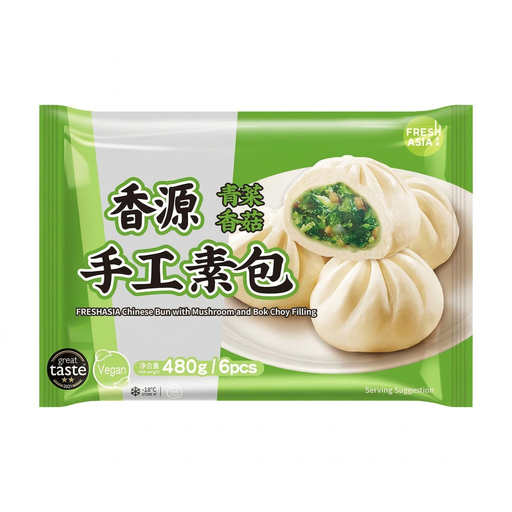
Why This Fits Their Persona: A substantial 480g pack gives first-time buyers a savoury vegetable option for breakfasts, snacks or simple meals.
The ingredient list identifies bok choy at 33%, mushrooms and black fungus, rather than relying only on a general “vegetable” description.
Vegetable filling, 480g pack and steam-from-frozen preparation. Contains wheat; check the label for allergens.
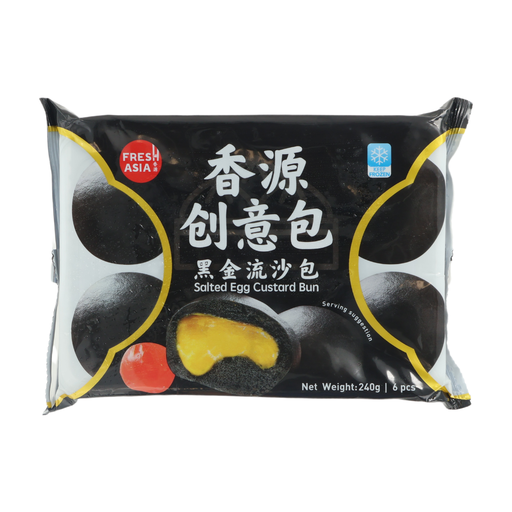
Why This Fits Their Persona: A dessert-style dim sum choice for shoppers who want a distinctive salted egg yolk custard filling rather than a standard savoury bun.
The product details specify a salted egg yolk quantity declaration and advise steaming until the filling is hot and flowing.
Sweet custard-style filling and 240g pack. Contains wheat, milk and egg; take care with the hot filling when serving.
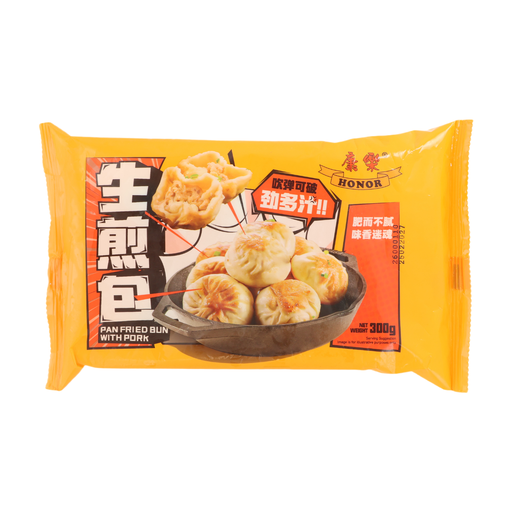
Why This Fits Their Persona: Suitable for shoppers who specifically want a crisp-bottomed bao experience rather than conventional steamed buns.
Its cooking method clearly explains frying, adding water, covering and finishing uncovered, so buyers know this is not a microwave-only product.
Pan-fry-from-frozen method and pork filling with soup-style jelly. Contains wheat, soybeans and sesame.
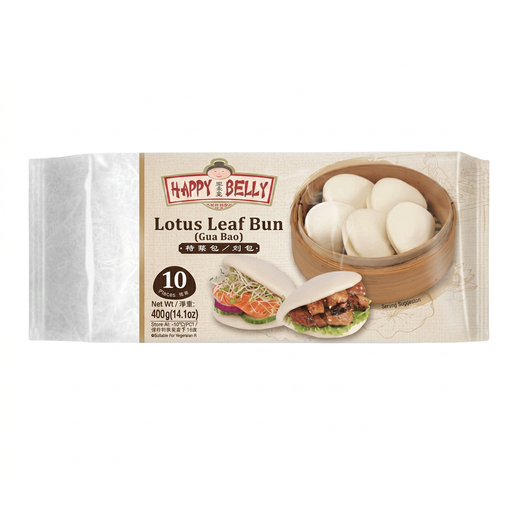
Why This Fits Their Persona: A practical base for households that want to customise gua bao buns with vegetables, tofu, cooked meat or other fillings.
The pack is presented as lotus leaf buns rather than a filled product, making the need for separate fillings clear.
Ten 40g buns, vegan and vegetarian friendly, with halal certification listed in the product details. Contains wheat.
We have compiled a complete, real-time list of products that fully satisfy these strict selection criteria and UK safety regulations.
Many are, but always check the individual pack. A large number of Chinese steamed buns are designed to go directly into a steamer, while pan-fried buns may require a covered frying-pan method. Do not assume that thawing is necessary or desirable.
Some can be microwaved, particularly smaller ready-to-steam buns and branded microwave products. Covering them with a damp paper towel can help reduce drying. Follow the pack instructions and adjust for your microwave’s wattage.
They should remain frozen until the printed best-before date when stored correctly at -18°C or below. Once opened, keep the remaining buns frozen and use them according to the packaging guidance. Quality may decline if the freezer temperature fluctuates or the product is left partially thawed.