
24/7 Customer Support

Free returns

Same-day & Next-day Delivery

Quality Guaranteed

Unlock Your Welcome Offers: FREE Delivery | Up to 80% OFF | Free 30-day JoyPlus trial
Download the APP
A steaming basket of soft, fluffy bao buns can be a delightful meal, whether it’s a quick lunch, a weekend dim sum treat or a creative dinner. The convenience of frozen bao buns means you can have them ready in minutes. However, the freezer aisle is filled with options, and not all of them deliver on their promise. Many shoppers find themselves disappointed with buns that are bland, have scant fillings or turn out tough and chewy.
As a Joybuy Product Recommendation Officer, my role is to help you navigate the market. Here’s a straightforward guide to avoiding common pitfalls and choosing the right frozen steamed buns for your household.
Chinese steamed bun is its texture. Some frozen varieties become soggy or unpleasantly tough after steaming. This is often a result of lower-quality flour or an improper fermentation process, which no amount of careful cooking can fix.To avoid disappointment, focus on a few key details on the product page or packaging. These objective markers are far more reliable than marketing slogans.
The filling is what gives a bao its character. Before adding to your basket, scrutinise the ingredients list.
pork bao buns, or are you after flavourful vegetarian bao buns? The variety is vast, from savoury preserved cabbage to rich mushroom and beancurd skin.The quality of the bun itself is paramount. A good bun should be soft, slightly chewy and able to hold its filling without becoming soggy.
Not all steamed buns are the same. Knowing the difference is key to planning your meal.
vegetable steamed buns.Frozen gua bao are perfect for creating your own fillings, like braised pork belly, fried chicken or roasted vegetables.Based on these practical criteria, here are a few recommendations matched to different needs and preferences.
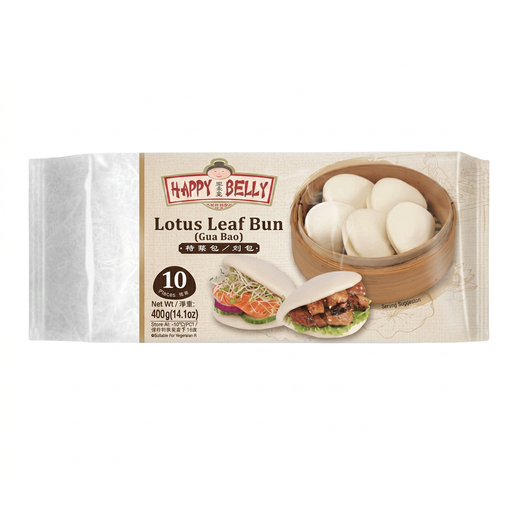
Why This Fits Their Persona: Perfect for those who love to recreate restaurant-style meals at home. These unfilled lotus leaf buns provide a blank canvas for your own braised pork, crispy tofu or spicy chicken fillings, offering complete creative control.
It completely sidesteps the "disappointing filling" trap because you are in charge of the filling. The focus is purely on providing a soft, fluffy bun ready for your culinary creations.
Highly versatile and suitable for various dietary preferences as it is vegan, vegetarian and Halal certified. Steams to a reliably soft and fluffy texture.
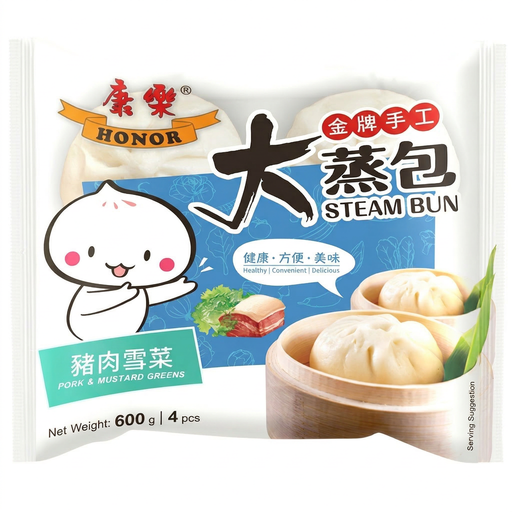
Why This Fits Their Persona: For those seeking an authentic, homestyle taste. The combination of savoury pork with salty, tangy preserved mustard greens is a classic flavour profile that offers a more complex and traditional experience than standard pork buns.
This bun avoids the "bland flavour" trap by using a distinctive, strong-flavoured ingredient. The ingredient list shows a high proportion of filling (Pork 25%, Mustard Greens 15%), ensuring a satisfying bite.
The use of a "traditional sourdough fermentation" process for the dough results in a firm and chewy texture. It is also made in the United Kingdom.
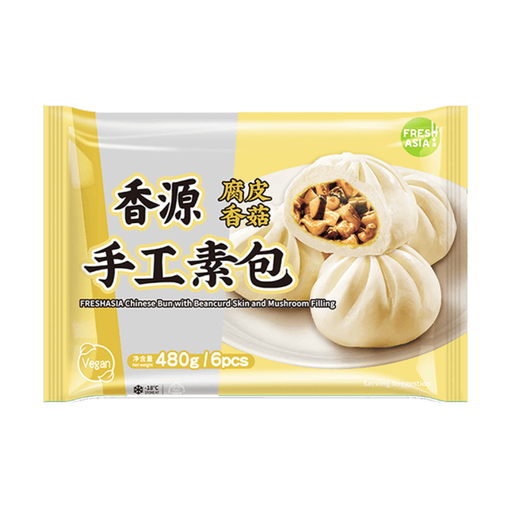
Why This Fits Their Persona: An excellent choice for vegetarians and vegans seeking a substantial, flavourful meal. This vegetarian bao bun features a savoury, umami-rich filling of beancurd skin and shiitake mushrooms, offering a satisfying texture and taste.
It avoids the "disappointing filling" trap common in vegetarian options by using hearty ingredients like beancurd skin (SOYBEAN Skin) and mushrooms, rather than just a mash of indistinct vegetables.
This bun provides a good source of plant-based protein (10g per 100g), making it a more nutritionally balanced and filling option than many other vegetable buns.
For those particularly interested in exploring the wide variety of plant-based options, from traditional vegetable fillings to innovative new combinations, we have a dedicated selection.
We have compiled a complete, real-time list of products that fully satisfy these strict selection criteria and UK safety regulations.
No, a bamboo steamer is not essential. While traditional, any method of steaming will work. You can use a metal steamer insert inside a standard pot or even a heatproof colander set over boiling water with a well-fitting lid. The goal is to cook the buns with circulating steam without letting them touch the water.
To prevent a soggy bottom, ensure the water is at a full, rolling boil before you place the steamer basket on top. Lining the steamer with perforated parchment paper (or individual squares under each bun) is a great way to stop them from sticking and absorbing excess moisture. Once cooked, turn off the heat and let the buns rest in the covered steamer for a minute or two before serving to allow the texture to set.
While technically possible for some products, it is generally not recommended for achieving the best quality. Microwaving often heats unevenly, which can make the dough tough and chewy instead of soft and fluffy. Steaming is the intended method for these ready to steam buns as it gently heats them and creates the signature texture. Always check the package for specific instructions, but steaming will almost always provide a superior result.