
24/7 Customer Support

Free returns

Same-day & Next-day Delivery

Quality Guaranteed

Unlock Your Welcome Offers: FREE Delivery | Up to 80% OFF | Free 30-day JoyPlus trial
Download the APP
As a Joybuy Product Recommendation Officer, my role is to help you navigate the crowded aisles of online shopping. The appeal of having soft, fluffy frozen bao buns ready in minutes is undeniable. They promise a taste of authentic East Asian cuisine, from classic Chinese steamed buns to Korean jjinppang, right from your freezer. Yet, the reality can often be disappointing.
Many of us have been let down. You expect a generous, flavourful filling, only to bite into a mouthful of dense, bland dough. Or the bun, which looked so promising on the packet, turns out soggy or tough after cooking. These common issues can make buying frozen Asian food in the UK feel like a gamble. This guide will help you sidestep the common traps and choose with confidence.
Before you add to your basket, be aware of these frequent let-downs:
To avoid disappointment, focus on a few key details on the product page or packaging. These objective markers tell you more than any marketing slogan.
The most reliable way to gauge the generosity of a filling is to look for the Quantitative Ingredient Declaration (QUID). UK food labelling regulations require manufacturers to state the percentage of key ingredients. For a pork bao, this might look like "Pork 23%". For a sweet bun, it could be "Red Bean Paste 33%". A higher percentage generally indicates a more substantial filling. This simple check helps you sidestep the "stingy filling" trap and find a product that delivers on its promise, whether you're after a rich liu sha bao or a hearty vegetarian bao.
The texture of the bun is just as important as the filling. The ingredient list offers clues:
Your lifestyle should influence your choice. If you're looking for quick Asian snacks, check the recommended cooking methods.
Based on these practical criteria, here are a few options tailored to different needs and preferences.
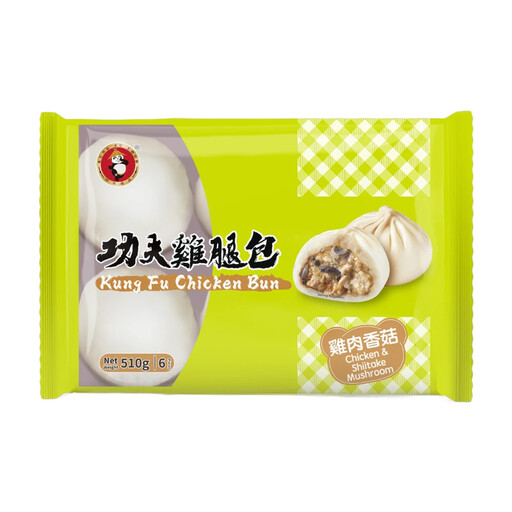
Why This Fits Their Persona: For those needing a quick and substantial meal, these individually wrapped buns are ideal. The classic savoury filling of chicken and mushroom is satisfying enough for a simple lunch or a hearty after-school snack, ready in minutes from the steamer or microwave.
It directly counters the "stingy filling" pitfall. The description highlights a generous filling made with whole chicken leg meat and diced mushrooms, ensuring a flavourful, meaty bite rather than just dough.
Individually wrapped for portion control and convenience. Classic, savoury flavour profile that appeals to a wide audience.
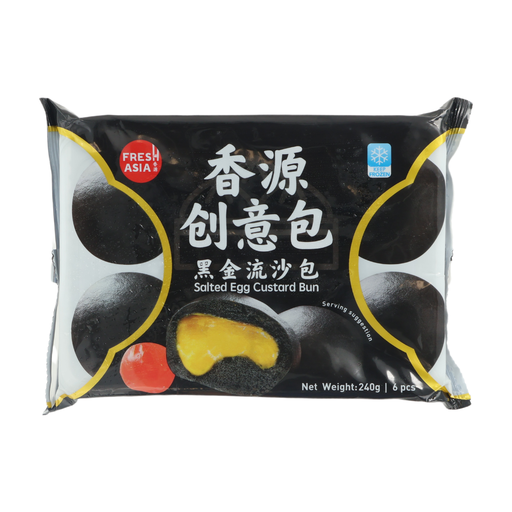
Why This Fits Their Persona: For those seeking to recreate an authentic dim sum experience, the iconic molten lava custard bun (liu sha bao) is a must. This version offers the indulgent, sweet-and-savoury flowing filling that is the hallmark of a quality custard bun, perfect for a weekend treat.
This bun tackles the "authenticity illusion" head-on. Instead of a generic sweet custard, it uses salted egg yolk (2%) to create the distinctive rich, flowing 'liu sha' filling that dim sum lovers specifically look for.
Delivers a luxurious, restaurant-style dessert experience. The striking black bun made with bamboo charcoal powder adds visual appeal.
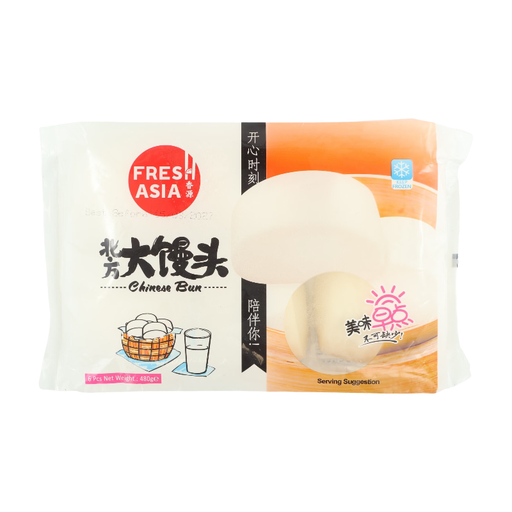
Why This Fits Their Persona: For those who want a simple, unfilled staple to accompany savoury dishes, mantou is the perfect choice. These plain steamed buns are incredibly versatile—serve them alongside stews, braised meats or simply with a dipping sauce. They are the bread of the Chinese dinner table.
By being unfilled, it completely avoids the "stingy filling" issue. Its quality is judged purely on its texture and flavour, and this one focuses on an authentic, soft and fluffy Northern Chinese style with a high **wheat flour content (64%)**.
Extremely versatile as a staple food. Multiple cooking options are provided, including steaming, microwaving, pan-frying and air frying.
We have compiled a complete, real-time list of products that fully satisfy these strict selection criteria and UK safety regulations.
This is a common issue caused by condensation dripping back onto the buns. To get a perfect, fluffy finish, place a tea towel under the lid of your steamer to absorb the excess moisture. Also, ensure you leave enough space between each bun for the steam to circulate. Using pre-cut paper or reusable silicone liners, like the Tala Siliconised Cake Tin Liners, can also prevent them from sticking to the steamer base and tearing.
While they are all types of steamed buns, there are key differences:
Yes, many brands now provide microwave instructions for ultimate convenience. For best results, sprinkle the bun with a little water and cover it before microwaving to help create steam. Some people also enjoy pan-frying or air-frying thawed buns for a crispy, golden-brown exterior, which offers a delightful textural contrast to the soft inside. Always check the packaging for the manufacturer's recommended methods.