
24/7 Customer Support

Free returns

Same-day & Next-day Delivery

Quality Guaranteed

Unlock Your Welcome Offers: FREE Delivery | Up to 80% OFF | Free 30-day JoyPlus trial
Download the APP
Buying frozen beef in the UK can make meal planning easier, but the wrong cut can leave you with tough meat, excessive fat or a pack that does not suit the recipe. Whether you are preparing Chinese hot pot, Korean BBQ, a family stew or a quick stir-fry, the product description and storage details matter more than attractive packaging.
This guide explains the main buying pitfalls, the specifications worth checking and practical options for different cooking styles.
A thin, neatly rolled pack may look suitable for hot pot, but not every sliced beef product has the same fat level or texture. Beef belly slices can be rich and fatty, while leaner beef hotpot slices may cook more lightly. A whole cut such as beef brisket, beef flank or beef shank needs substantially longer cooking.
Match the cut to the recipe:
Origin and breed can help you compare products, but they do not replace checking the cut, thickness, pack weight and cooking instructions. British beef, Irish beef and Australian beef may be available in different cuts and formats, from everyday hotpot rolls to thicker short ribs.
For Wagyu beef, look for useful information such as country of origin, whether the product is bone-in, slice thickness and intended cooking method. These details provide more practical guidance than a premium-sounding description alone.
Frozen beef should generally remain at -18°C or below, as stated on the relevant product label. During frozen beef delivery, check that the packaging is intact and the product is still properly frozen when it arrives. Do not refreeze beef after it has defrosted unless the packaging specifically permits it.
For most products, defrosting in the refrigerator is preferable to leaving raw meat at room temperature. Follow the pack instructions, keep raw beef covered and separate from ready-to-eat food and wash hands, boards and utensils after handling.
The cut determines texture and preparation time:
For beef for Chinese hot pot, slices around 1.5 mm can cook in just a few seconds in simmering broth. Thicker cuts may need more time and are often more suitable for grilling or pan-searing.
Fat is another important consideration. Short ribs and beef belly offer a richer mouthfeel, while leaner slices may suit shoppers who prefer a lighter broth. Compare the nutrition panel where available: for example, the listed beef belly product provides 50g of fat per 100g, whereas the listed short-rib hotpot slices provide 19g per 100g.
For groups, an 800g pack of hotpot rolls or sliced beef can reduce the need to open several smaller packs. Smaller 150g packs are useful for adding variety to a larger meal or trying a specialised cut such as brisket tendon or ox tongue.
Always check:
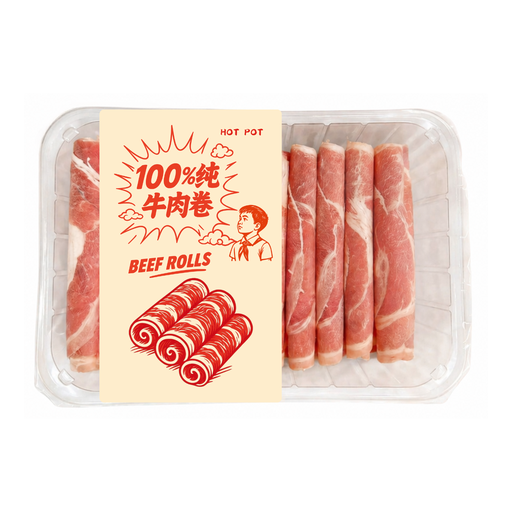
Why This Fits Their Persona: A compact pack for first-time hot pot cooks, couples or smaller households who want pre-sliced beef without buying a large family quantity.
The product is clearly described as thinly sliced and intended for hot pot or stir-frying, rather than leaving the buyer to guess the cut’s use.
260g net weight; 100% beef; suitable for cooking from frozen or partially defrosted.
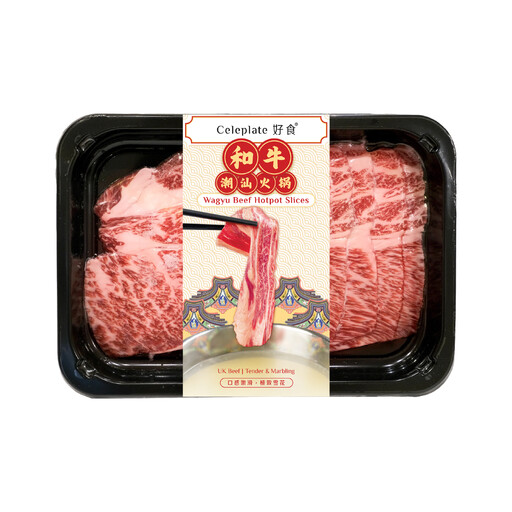
Why This Fits Their Persona: Designed for shoppers seeking a UK-origin Wagyu option with thin slices for shabu-shabu, sukiyaki or Chinese-style hot pot.
The listing states the 150g quantity, UK origin and approximate 1.5mm slice thickness, allowing a more informed comparison.
Thin slices; listed as Wagyu beef; designed for 5–10 seconds in simmering broth.
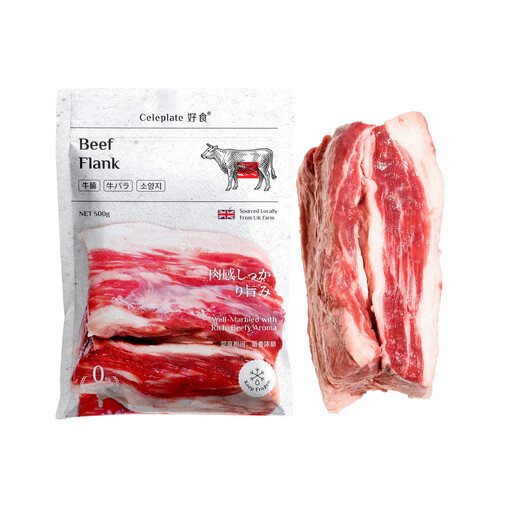
Why This Fits Their Persona: A practical whole cut for households preparing Chinese braised beef, curry, tomato stew, soup or other long-cooked meals.
The stated cooking guidance makes clear that this is not a quick-fry cut: allow 60 minutes or more in a standard pot, or around 45 minutes in a pressure cooker.
500g pack; 100% beef; suitable for braises, soups and stews; frozen storage at -18°C or lower.
We have compiled a complete, real-time list of products that fully satisfy these strict selection criteria and UK safety regulations.
Yes, provided it is cut into thin slices and labelled for hot pot, shabu-shabu or quick cooking. Beef hotpot slices, short rib slices and brisket tendon slices are common choices. Cook them in simmering broth for the time stated on the packaging and ensure they are fully cooked.
The exact shelf life depends on the product and its packaging. Keep it continuously frozen at -18°C or below and follow the best-before date shown on the pack. Once defrosted, refrigerate and consume within the stated period, which may be 24–72 hours depending on the product.
Beef flank, beef brisket, beef shank, boneless short ribs and rib fingers are suitable starting points. These cuts contain muscle structure and connective tissue that benefit from low, moist cooking. Check the recommended cooking time, as a thin hotpot slice is not a substitute for a whole slow-cooking cut.