
24/7 Customer Support

Free returns

Same-day & Next-day Delivery

Quality Guaranteed

Unlock Your Welcome Offers: FREE Delivery | Up to 80% OFF | Free 30-day JoyPlus trial
Download the APP
Buying frozen beef products UK shoppers can rely on is not simply a matter of choosing the largest pack or the most attractive food photograph. The cut, slicing style, origin, cooking instructions and storage requirements all affect whether the product suits your meal.
This guide helps UK households, hotpot hosts, Asian food enthusiasts and catering buyers compare frozen beef cuts without being distracted by vague descriptions or unsuitable pack sizes.
Thin beef hotpot slices are designed to cook quickly in simmering broth. They are not interchangeable with beef shank, flank or rib fingers, which contain firmer muscle and connective tissue and generally need longer cooking.
Likewise, thick short ribs intended for Korean BBQ may become tough if treated like instant hotpot rolls. Check the recommended method before adding a product to your basket.
Frozen beef may be raw, pre-cooked, pre-braised or marinated. A product labelled ready to cook still requires thorough cooking. Frozen beef meatballs may be cooked before freezing but still need reheating until hot throughout.
Always read the use instructions, allergen declaration and preparation guidance. Products containing soya, wheat or sesame can be unsuitable for some diners, even when the beef itself is unseasoned.
An 800 g or 1 kg pack can be practical for a family hotpot, meal preparation or catering, but it may not represent good value for a small household if the product cannot be refrozen after opening. Consider the number of diners, freezer space and whether the pack can be portioned safely while frozen.
For hotpot, thin slices should separate easily and cook within seconds. Short rib hotpot slices may need around 10–15 seconds in simmering broth, while brisket tendon slices may need approximately 5–8 seconds when the product is ready to cook.
For BBQ, thicker slices or boneless rib fingers are more suitable because they can develop colour without drying immediately. Pre-marinated beef can save preparation time, but check the ingredients and allergen information before serving guests.
Look for clear details on country of origin, net weight and storage temperature. The supplied products include British beef, beef from the UK or Ireland, and imported options from countries such as Poland, Spain, China, Malaysia and the Netherlands.
Frozen products should generally be kept at -18°C or below. Once defrosted, follow the packaging instructions rather than refreezing. Many raw products should be covered and consumed within 24–72 hours, while cooked products may have different guidance. Never rely only on appearance to judge freshness.
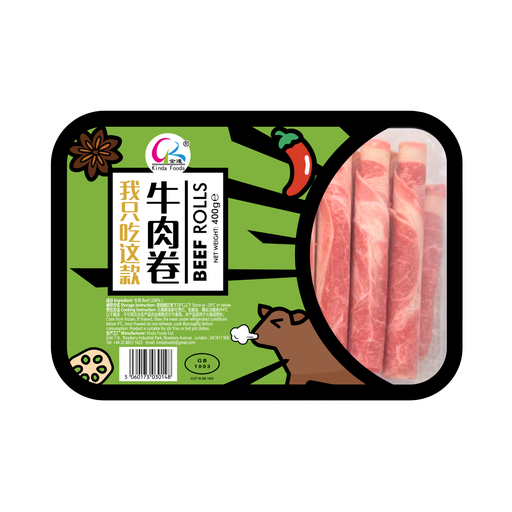
Why This Fits Their Persona: A 400 g pack gives new hotpot cooks a manageable quantity for family meals, while the machine-sliced format is also suitable for stir-fries, BBQs and rice bowls.
The product description identifies it as thinly sliced and designed for quick cooking, reducing the risk of selecting a slow-cooking cut for hotpot.
400 g pack; beef ingredient; suitable for hotpot, pan cooking, BBQ and rice bowls.
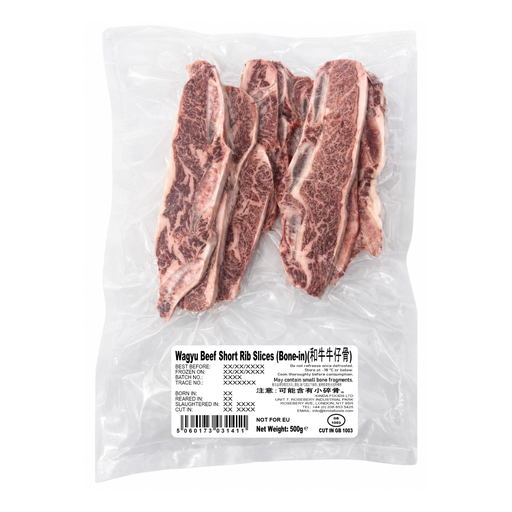
Why This Fits Their Persona: Suitable for shoppers prioritising British origin, visible marbling and a thick-cut format for BBQ grilling, pan-searing or oven finishing.
The listing specifies the bone-in short-rib format, 500 g weight and UK origin, making the product easier to compare with other BBQ cuts.
100% British Wagyu beef; thick-cut short ribs; suitable for grilling, griddling and oven cooking.

Why This Fits Their Persona: The larger pack suits regular hotpot hosts, shared meals, meal planners and smaller catering operations needing a versatile ready-to-cook beef format.
The stated 800 g weight and 100% beef ingredient declaration make it easier to assess quantity rather than relying on serving photographs.
800 g pack; evenly sliced beef; suitable for hotpot, stir-frying, grilling and rice bowls.
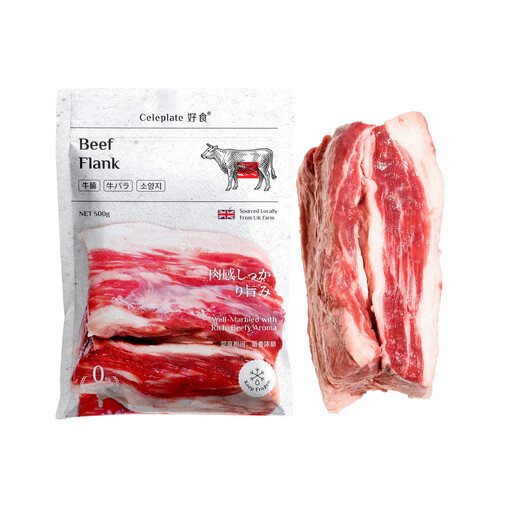
Why This Fits Their Persona: This whole slow-cooking cut suits batch cooking, Chinese braised beef, soups, curry, tomato stews and Western-style casseroles.
The cooking guidance states that it needs a long simmer, helping prevent the common mistake of using a firm braising cut for a rapid meal.
500 g pack; 100% beef; suitable for long simmering, pressure cooking, soups and stews.
We have compiled a complete, real-time list of products that fully satisfy these strict selection criteria and UK safety regulations.
Before cooking frozen beef:
Thin beef hotpot rolls, short rib slices, brisket tendon slices, beef tendon, honeycomb tripe and beef meatballs are commonly suitable. Check whether each item is raw, pre-cooked or pre-braised, as cooking times can differ considerably.
Some thin hotpot slices and cooked beef meatballs can be added directly to boiling broth. Whole cuts such as beef shank, flank and rib fingers usually need defrosting before cooking so that heat reaches the centre evenly. Follow the product-specific instructions.
Keep it at -18°C or below and follow the best-before date on the packaging. After defrosting, storage periods vary by product, commonly between 24 and 72 hours. Keep thawed beef covered in the refrigerator and do not refreeze it.