Students with freezer access
A frozen meal can fit a lecture day when there is somewhere suitable to store it until cooking. Check the pack size and stated servings before deciding whether it works as your lunch.


A frozen meal is a practical lecture-day lunch only if you can keep it frozen until cooking and use the appliance specified on its pack. Whether you choose a value range, a meal for one or another frozen option, check the portion, cooking method, nutrition and allergen information on the individual product rather than relying on its range label.
The useful starting point is where you will store and cook lunch, followed by what the individual pack contains.
A frozen meal can fit a lecture day when there is somewhere suitable to store it until cooking. Check the pack size and stated servings before deciding whether it works as your lunch.
Look for a portion you can prepare using the appliance actually available. A frozen ready-meal category does not tell you whether a particular pack can go in a microwave.
Vegetarian, vegan and free-from filters can narrow a search, but the current pack’s ingredients and allergen information are the checks that matter for the individual meal.
Check storage and cooking first: a suitable-looking meal will not work for a lecture lunch if you cannot prepare it as directed. Then compare the stated portion and label information across the packs you are considering.
| Priority | What to check | Your needs |
|---|---|---|
| Storage and cooking | Read the frozen-storage directions and the exact cooking method. Check the required appliance, settings and time against what you can use. | I need somewhere suitable to keep lunch until cooking, and enough time to follow the pack instructions between lectures. |
| Portion | Compare pack weight with the stated number of servings. Do not assume that one pack is intended as one complete lunch. | Will this pack give me the portion I want, or is it better treated as one part of lunch? |
| Nutrition label | Compare the same basis on both labels, such as per 100g or per serving, and check what the stated serving means for the whole pack. The NHS notes that labels can help compare fat, salt and added sugars. | I want to understand what is in the portion I would actually eat, not compare two unlike serving sizes. |
| Ingredients and allergens | Read the current ingredients and allergen declaration on the individual pack. Treat a retailer’s dietary filter as a way to find products, not as clearance for a particular allergy. | If an ingredient or allergen matters to me, I need to check this exact meal each time I buy it. |
| Handling after cooking | Follow the pack’s cooking and storage instructions. The Food Standards Agency advises heating reheated food thoroughly through the centre and reheating it only once. | I need to be able to cook and eat the meal as directed, rather than leave it thawing in a bag through lectures. |
A value or premium label does not tell you the serving size, cooking requirements or nutritional information for an individual pack.
Compare the stated servings, pack weight and label information on the meals you are considering.
A meal requiring an oven will not work as a between-lectures lunch if a microwave is the only appliance you can use.
Read the exact pack’s cooking instructions before buying, including the required appliance and settings.
Filters describe browsing categories, while ingredients and allergen information apply to the individual product. The Food Standards Agency warns that incorrect allergen labelling can pose a risk to affected consumers.
Check the current pack’s ingredients, allergen declaration and any relevant precautionary information, even if you have bought the meal before.
A frozen meal may not suit a day when you cannot meet its storage or cooking instructions. The Food Standards Agency advises that reheating means heating food thoroughly, not merely warming it.
Plan how you will store the pack until cooking, follow its directions and do not reheat cooked food more than once.
Retailer categories can help narrow the type of meal to inspect; they do not establish the cooking method, portion or ingredients of every product in a range.
Tesco’s frozen ready-meal listings include vegetarian and vegan browsing categories.
Sainsbury’s lists frozen ready meals across several cuisines and dietary subcategories, including a cottage pie described as a meal for one.
Iceland has a dedicated frozen ready-meal range.
Waitrose lists frozen ready meals and has a separate frozen vegetarian ready-meal category.
M&S presents a frozen ready-meal range alongside dietary filters on some other ready-meal listings.
These options are a chicken-and-rice meal and chicken soup dumplings. Compare their pack sizes and cooking directions against your storage facilities, available appliance and intended lunch portion.
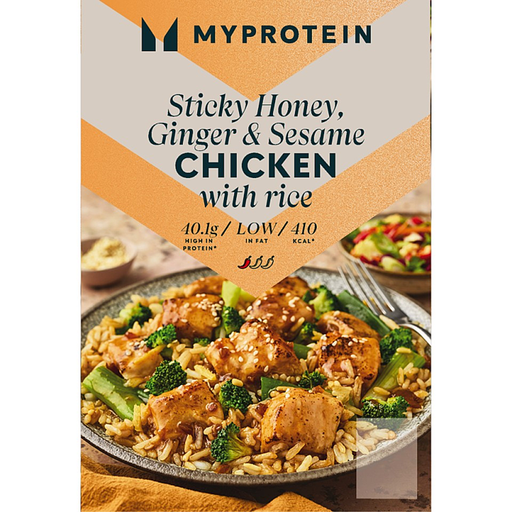 Image unavailable
For a lecture lunch, check that you can store this chicken-and-rice meal as directed and use the cooking method on its pack.
Compare the 350g pack with the portion you want; confirm its stated number of servings and check the current ingredients and allergen information.
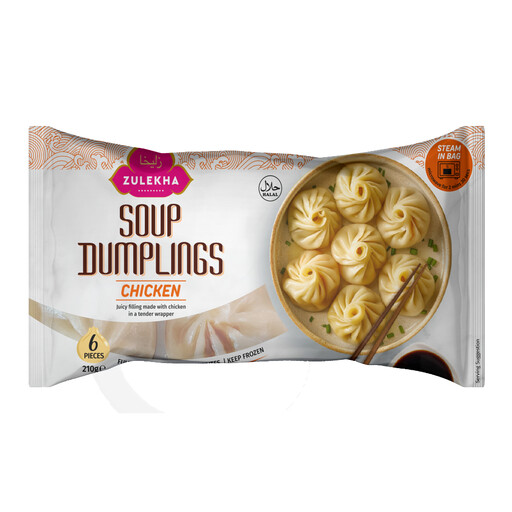 Image unavailable
These dumplings are a different sort of lunch option from a ready meal with rice; check whether the 210g pack suits the portion you want.
If using a microwave, check that its required settings and standing time fit your equipment and break. Read the current ingredients and allergen information, particularly if wheat, sesame or soya matter to you.
Yes, if you can follow that meal’s storage instructions until cooking and then prepare it as directed. Do not assume it can spend several hours thawing in a bag; check what storage and cooking facilities you can actually use.
No. Check the individual pack for microwave instructions, including the appliance setting, cooking time and any standing time, rather than relying on the words ‘frozen ready meal’.
Check each pack’s stated servings, weight and cooking requirements, then compare nutrition information on the same basis. The NHS notes that food labels can help you compare fat, salt and added sugars; read the ingredient and allergen information too.
No. Check the current ingredients and allergen information for the exact product each time. The Food Standards Agency warns that incorrect allergen labelling can pose a risk to people affected by the allergen.
Follow the pack’s storage and cooking directions. The Food Standards Agency advises that reheated food must be heated thoroughly through the centre and reheated only once.