Flexible batch cooks
If the same pack needs to become curries, traybakes and portioned lunches, plain breast fillets or diced breast leave the seasoning and serving format up to you. Coated chicken is less adaptable to those recipes.


For curries, sauces and other batches that need different seasonings or portion sizes, start with plain frozen breast fillets or diced breast. Fillets give you more control over the cut; diced chicken saves chopping, while thighs suit recipes that call for that cut. Check ingredients and thawing instructions before choosing: a coated product or a pack that needs overnight defrosting may not fit the meal you have planned.
If the same pack needs to become curries, traybakes and portioned lunches, plain breast fillets or diced breast leave the seasoning and serving format up to you. Coated chicken is less adaptable to those recipes.
Pack weight alone does not tell you how much plain chicken you are buying. Check the cut and ingredient list, particularly where a product contains added water or a coating.
Diced chicken reduces chopping; a cooked product changes the preparation steps again. Match either option to the recipe, and allow for any defrosting required by its pack.
Choose the cut and preparation level for your recipes, then check the individual pack’s ingredients and cooking directions before planning the session.
| Priority | What to check | Your needs |
|---|---|---|
| Recipe flexibility | Look for plain fillets or diced breast if you will add your own seasoning. Check whether the ingredients include water, seasoning or coating. | I want to use chicken across several dishes rather than fit each dish around a prepared coating or flavour. |
| Preparation work | Choose whole fillets if you need to decide the size and shape of each portion. Check whether diced chicken is raw or already cooked. | Less chopping would help on batch-cooking day, but I still need the chicken to work in my recipes. |
| Cut and pack size | Check the stated weight and whether the cut has skin or bones. Do not treat different cuts or prepared products as interchangeable portions of plain breast. | I’m cooking several portions and need a cut that suits the dish, not just a pack large enough to fill the freezer. |
| Thawing and cooking | Read the pack for defrosting time and whether cooking from frozen is permitted. Follow its instructions for storage after thawing. | If I’m cooking today, I need instructions that fit today’s plan; otherwise I can make room in the fridge and defrost ahead. |
| Sourcing claims | Check the specific pack for any stated origin or welfare scheme. Consider those claims separately from the cut, ingredients and cooking method. | Origin or welfare information matters to me, so I want to see what this particular product states. |
Added water or a coating changes what goes into the recipe. For example, ASDA Groceries lists chicken breast at 87% in its cited frozen fillet pack, while Tesco’s listing for Birds Eye Original Chicken Breast Steaks identifies chicken breast at 75%.
Read the full ingredients and chicken percentage when choosing a pack for a recipe that calls for plain chicken.
A pack that requires refrigerator defrosting may not be ready for an unplanned batch-cooking session. Marks & Spencer’s cited frozen breast-fillet instructions specify 24 hours in a refrigerator.
Check the instructions before setting your cooking schedule. Cook from frozen only when the particular pack gives directions for doing so.
Needing to defrost first can mean changing the day’s meal plan.
Washing raw poultry can spread contamination around the preparation area; utensils and surfaces used for raw chicken also need attention before they touch cooked food.
Do not wash raw chicken. Wash your hands after handling it, and clean utensils and surfaces thoroughly between raw- and cooked-food tasks.
These examples illustrate differences between plain cuts and prepared products; check the individual pack rather than applying one product’s details to a whole range.
ASDA Groceries lists a 1kg frozen breast-fillet pack for cooks considering fillets for batch recipes.
Tesco Groceries lists frozen breast fillets and diced breast, offering different levels of preparation for batch cooking.
Sainsbury's lists a 1kg frozen British skinless, boneless breast-fillet product.
M&S lists frozen breast fillets, diced breast, mini fillets and thighs in its chicken range.
Waitrose lists a 1kg frozen breast-fillet pack for shoppers seeking a straightforward ingredient list.
Birds Eye’s frozen range includes coated and other prepared chicken formats intended for more defined meals.
These Joybuy options cover breast fillets, cooked diced chicken, thighs and drumsticks for different batch-cooking plans. Choose by the cut and preparation your recipes require.
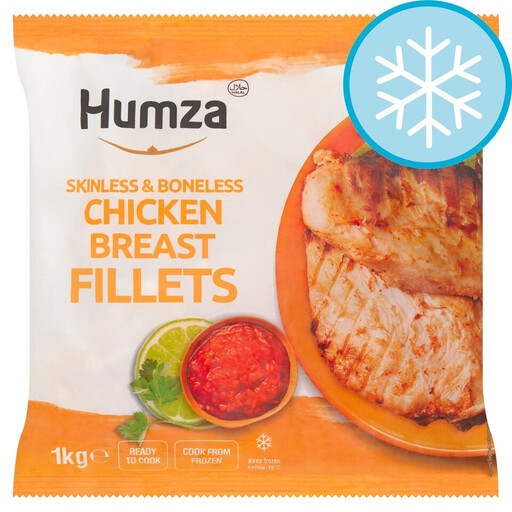 No image available
Skinless, boneless breast fillets give you a plain cut to portion for different batch recipes. Check the pack’s defrosting and cooking instructions when planning your session.
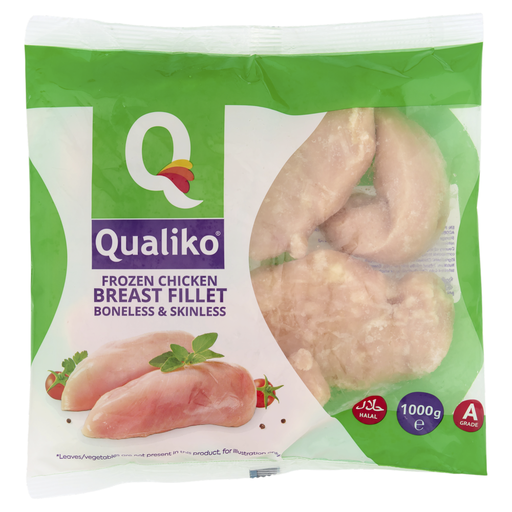 No image available
This 1kg pack of frozen boneless, skinless breast fillets suits recipes where you want to cut and season the chicken yourself. Check its ingredients and cooking directions for the meal you have planned.
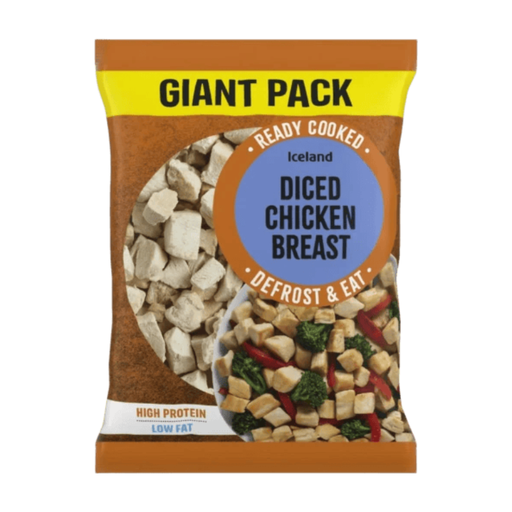 No image available
The 2.1kg pack contains cooked diced chicken, so it is an option for dishes that call for prepared chicken rather than raw meat cooked into the recipe. Follow the pack’s defrosting and heating instructions.
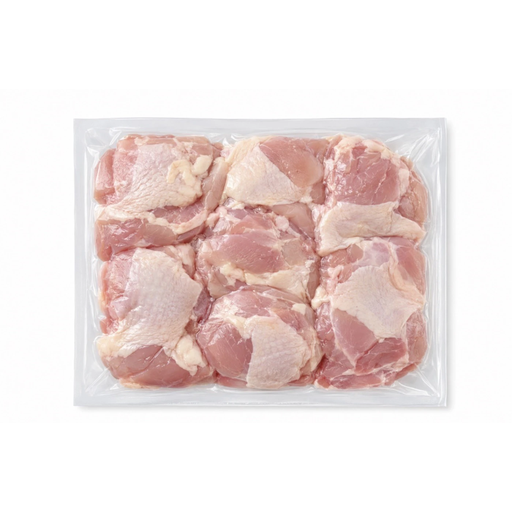 No image available
These boneless, skin-on thighs offer a different cut from breast fillets for a larger batch. Preparation descriptions conflict over whether they need defrosting, so check the pack instructions before deciding when to cook them.
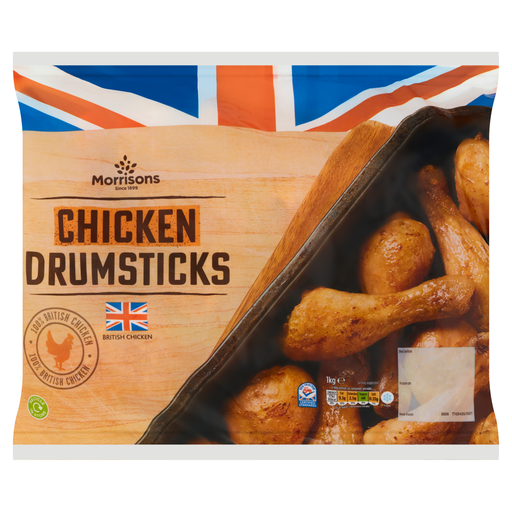 No image available
This 1kg drumstick pack suits a batch built around individual chicken pieces rather than diced breast for sauces. Check its defrosting instructions and allow for the cut when planning portions.
Plain breast fillets are a flexible starting point when you want to cut and season chicken differently across meals. Diced breast saves chopping; choose coated or seasoned products when that prepared format suits the particular dish.
No. ASDA Groceries lists chicken breast at 87% in its cited frozen fillet pack, with water, salt and dextrose also listed. Read the ingredients on the specific product if a recipe calls for plain chicken.
Only follow a cook-from-frozen method when the specific pack provides one. Other packs require defrosting before cooking; check the instructions before making a same-day meal-prep plan.
Follow the pack’s defrosting time and storage directions, allowing enough space and time in the refrigerator. The Food Standards Agency explains that refrigerator defrosting keeps food at microbiologically safer temperatures than thawing at room temperature.
No. Do not wash raw chicken; wash your hands after handling it, and clean utensils and surfaces before they are used for cooked food.