
24/7 Customer Support

Free returns

Same-day & Next-day Delivery

Quality Guaranteed

Unlock Your Welcome Offers: FREE Delivery | Up to 80% OFF | Free 30-day JoyPlus trial
Download the APP
Frozen chicken can make weeknight cooking, lunchboxes and weekend fakeaways much easier. However, attractive packaging does not always tell you how much chicken is inside, how the product should be cooked or whether the flavour suits everyone at the table.
This guide explains what to check before buying frozen chicken, from chicken breast content and allergens to pack size, seasoning and preparation. It also highlights practical options for different UK households, including families, students, busy professionals and shoppers looking for halal chicken or quick frozen meals.
A large bag may look economical, but coatings, batter and added ingredients make up part of the weight. Compare the number of pieces, the stated chicken percentage and the nutrition information per 100g rather than judging value by pack size alone.
For example, a 697g pack of chicken dippers is suitable for sharing, while a 170g pack of crispy chicken may be more appropriate for one or two servings. Smaller packs can also reduce waste if freezer space is limited.
Frozen chicken products vary considerably. Some are suitable for oven cooking, while others are specifically designed for an air fryer, pan or deep fryer. A coating can become soft if the tray is overcrowded, or over-brown before the centre is fully hot.
Always follow the cooking instructions on the packaging. Products containing raw chicken must be cooked thoroughly until piping hot throughout. Do not defrost unless the label specifically instructs you to do so, and do not refreeze after thawing.
Breaded chicken, chicken strips and chicken pakora commonly contain wheat or gluten. Asian-style products may also include soya, while buttermilk or yoghurt-seasoned options can contain milk. Check the current packaging every time, particularly when cooking for children or guests with allergies.
Seasoning is another potential mismatch. Mild salt and pepper chicken may suit a family meal, whereas Korean fried chicken, peri peri chicken or pakora-style products can bring more heat and stronger spices.
Look at the ingredients list to identify whether you are buying whole chicken breast pieces, formed chicken, shredded chicken or bite-sized leg meat.
A higher chicken percentage does not automatically mean the product will suit your recipe, but it does make comparison easier. Morrisons Chicken Breast Strips, for example, list chicken breast at 98% and provide 24.6g of protein per 100g. Coated products usually contain more flour, starch and oil, so their nutritional profile will differ.
Use the back-of-pack panel to compare protein, energy, fat and salt per 100g. This avoids being misled by different serving sizes.
The reference products range from 13g to 29.1g of protein per 100g. Zulekha Chicken Panko Fillet Bites list 29.1g, while Birds Eye Chicken Dippers list 13g. Coated products may offer useful protein, but they also include a crumb or batter that affects calorie, carbohydrate and salt levels.
For a balanced meal, pair breaded chicken with vegetables, salad, rice or potatoes rather than relying on the coating as the only side.
Frozen chicken should generally be stored at -18°C or colder, according to the product information. Check that your freezer has sufficient space and that the cold item can be put away promptly after delivery.
Joybuy’s available delivery services vary by product and location. Same-day and next-day options may be available in covered areas, including Greater London, Luton and Milton Keynes, while other regions may have next-day or two-day delivery. Confirm the delivery estimate shown at checkout, especially when ordering frozen food.
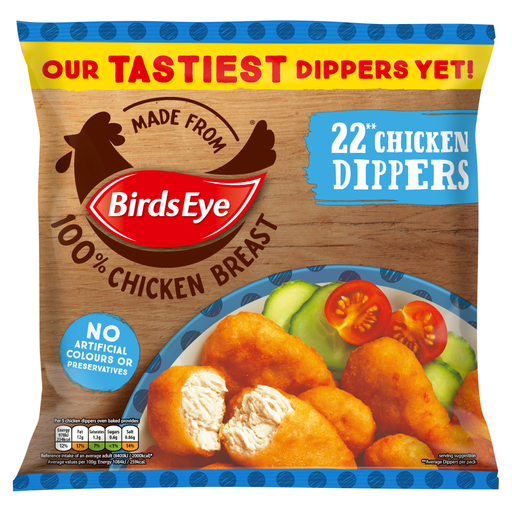
Why This Fits Their Persona: The approximately 22-piece format is practical for students, small households and parents who want a familiar freezer option without opening a large catering-size bag.
The piece count makes portion planning clearer than relying on the stated weight alone. The label specifies oven and grill guidance from frozen.
22 pieces per pack; 13g protein per 100g; contains no artificial colours or flavours according to the listing.

Why This Fits Their Persona: A versatile choice for shoppers who prefer a lightly seasoned ingredient for meal preparation rather than a ready-coated snack.
The ingredients list identifies 98% chicken breast, corn starch and salt, making the product format easy to understand.
24.6g protein per 100g; suitable for wraps, stir-fries, salads and batch cooking.
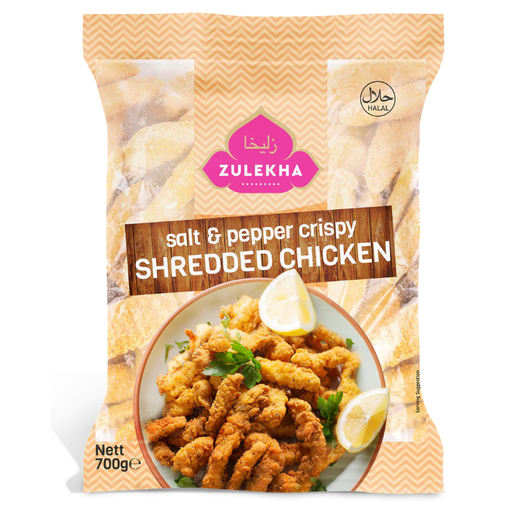
Why This Fits Their Persona: The larger 700g pack suits families, entertaining and shoppers planning rice, noodle or fakeaway meals for several people.
The listing states the chicken breast fillet content is 69% and provides clear salt information, helping shoppers assess the coated format.
700g quantity; salt, garlic and black and white pepper seasoning; designed to cook from frozen.
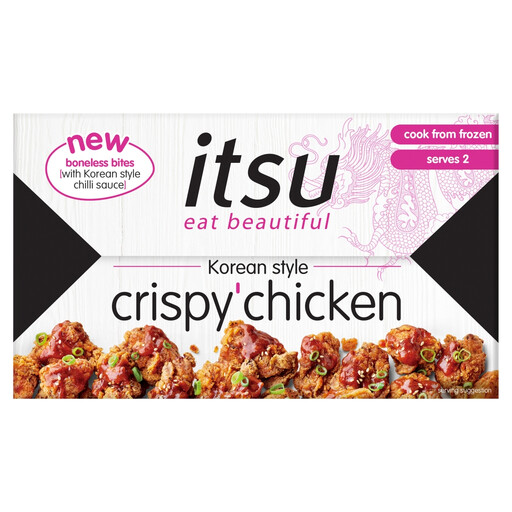
Why This Fits Their Persona: A convenient option for Korean-inspired bowls, sharing plates and quick evening meals when you want more pronounced chilli and garlic flavours.
The listing identifies chicken thigh at 56%, wheat and soya allergens, and a Korean-style chilli sauce, so flavour and dietary details are not hidden.
340g boneless bites; ready to cook from frozen; 13g protein per 100g.
We have compiled a complete, real-time list of products that fully satisfy these strict selection criteria and UK safety regulations.
For a milder family fakeaway, Birds Eye Chicken Shop Salt & Pepper Chicken Goujons provide a breadcrumb coating with black pepper seasoning. Birds Eye Buttermilk Chicken Tenders contain milk ingredients and are listed at 17g protein per 100g, making them a useful option for wraps or sharing plates if dairy is suitable.
For stronger spice, Super Chick Chicken Pakora Strips and Super Chick Tandoori Chicken Strips are listed as halal cuisine products and include wheat, soya and other allergens. Check the packaging for the latest certification and allergen information before serving.
Birds Eye Peri Peri Chargrills offer shaped chicken breast portions with a chilli-style seasoning, while bibigo Korean Style Fried Chicken provides bite-sized leg meat pieces with wheat and soya. These formats can be matched with rice, noodles, slaw or vegetables to create quick frozen meals without ordering takeaway.
Many products in this range are designed for cooking from frozen, but preparation times and appliances differ. Check the packaging instructions, avoid overcrowding the tray or air-fryer basket, and ensure the chicken is piping hot throughout before serving.
Keep frozen chicken at -18°C or colder and follow the best-before information on the pack. Quality may change if food is stored for too long or if the freezer temperature fluctuates. Do not refreeze chicken that has thawed.
It can be useful for portion control and reducing food waste, particularly when comparing price per 100g and pieces per pack. Larger bags may suit families, while smaller packs can be more economical for occasional meals. Remember to include sides and cooking method when estimating the total cost of a meal.