
24/7 Customer Support

Free returns

Same-day & Next-day Delivery

Quality Guaranteed

Unlock Your Welcome Offers: FREE Delivery | Up to 80% OFF | Free 30-day JoyPlus trial
Download the APP
Frozen chicken can make weekday meals, packed lunches and weekend gatherings considerably easier. However, attractive packaging does not always tell you whether a product is raw or fully cooked, how much chicken it contains or whether it suits your cooking equipment.
This guide highlights the practical checks UK shoppers should make before buying, followed by our top recommendations for different households and cooking needs.
Some frozen chicken products are fully cooked and only need reheating, while others contain raw chicken and must be cooked thoroughly. The distinction matters for food safety and preparation time.
For example, karaage fried chicken, raw wings and chicken kebabs may require cooking until piping hot throughout. By contrast, some chicken tikka chunks and skewers are already cooked but still require careful reheating. Always check the front and back of the pack rather than relying on terms such as “convenient” or “quick”.
A crisp coating or generous glaze can add flavour, but it can also mean a lower proportion of chicken. Check the quantitative ingredient declaration, usually shown as a percentage. A product containing 80% chicken is materially different from one containing around 58%, even when both are described as chicken pieces.
Sauces may also increase sugar and salt levels. This does not make a product unsuitable, but it helps you compare Korean fried chicken, spicy chicken fillets and seasoned chicken portions fairly.
Common allergens in Asian frozen food and prepared chicken include wheat, soya, sesame, milk and egg. Products may also carry “may contain” warnings for crustaceans, fish, peanuts, nuts or sulphites.
If you are buying halal chicken, check the specific certification and packaging rather than assuming that a cuisine or product name confirms halal status. Formulations can change, so review the label every time you purchase.
Look for clear instructions such as “cooking required”, “fully cooked” or “reheat”. Raw chicken products should be handled separately from ready-to-eat foods, with hands, boards and utensils washed thoroughly after preparation.
For raw products, use the pack’s cooking instructions and ensure the centre is piping hot. Where a temperature is provided, use a food thermometer and follow the stated guidance, such as 75°C for products that specify this requirement.
The format should match how you intend to eat the food:
Check the pack size as well as the price. A 1kg bag may suit families or regular meal-preppers, while smaller packs can reduce waste for students or occasional shoppers.
Most products in this guide require storage at -18°C or below. Do not refreeze after defrosting unless the packaging specifically permits it. Some products can cook directly from frozen, while others need refrigerator defrosting.
Air fryer cooking is often faster and uses less oil than deep-frying, but cooking times vary by appliance. Avoid overcrowding the basket, turn food when instructed and check that the thickest piece is fully cooked.
The following recommendations are selected by usage profile rather than broad claims. Check the current product page and packaging for availability, dates and final cooking instructions.
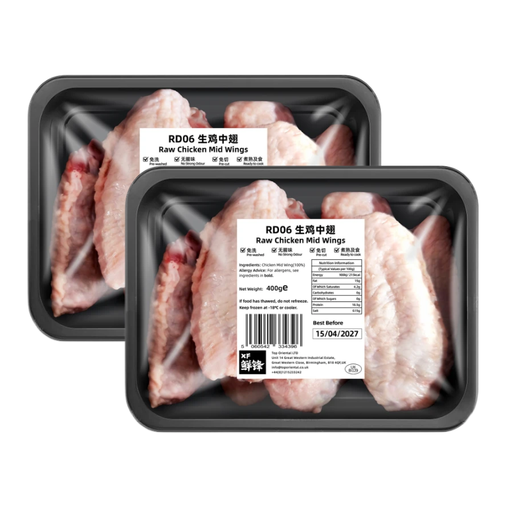
Why This Fits Their Persona: A straightforward option for students, first-time frozen-food buyers and families who want an adaptable chicken ingredient.
The ingredients list is simply chicken mid wings, with no coating or sauce taking up the ingredient list. It is clearly raw and must be fully cooked.
400g pack; suitable for roasting, pan-frying, deep-frying, braising and hot pot cooking.
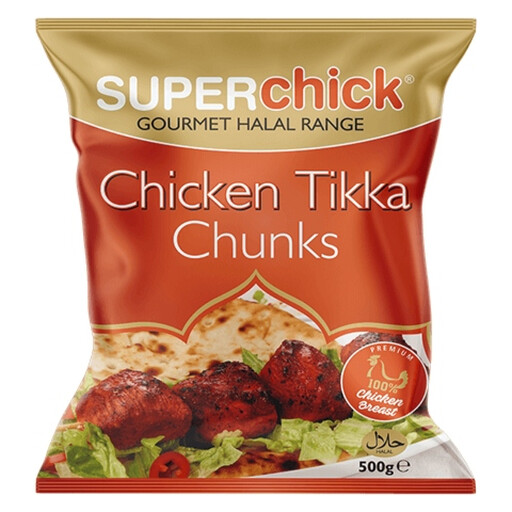
Why This Fits Their Persona: Suitable for shoppers seeking a convenient, spice-led meal component with a listed protein value of 25.6g per 100g.
The product lists 90% chicken breast and identifies milk through yoghurt powder, making the composition easier to assess.
Fully cooked; useful in wraps, rice bowls, salads and curry-style meals; 500g pack.
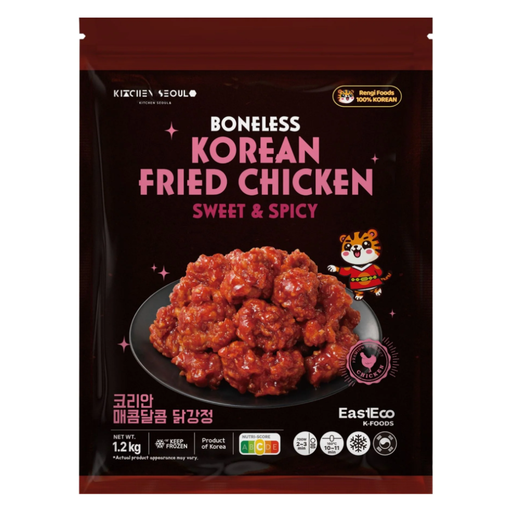
Why This Fits Their Persona: A practical choice for Korean food fans, family sharing and hosts serving several portions.
The pack specifies boneless chicken and a 57.88% chicken content, so shoppers can judge the sauce-to-chicken balance before buying.
1.2kg pack; pre-sauced; designed for oven or air fryer preparation from frozen.

Why This Fits Their Persona: Suits halal households, batch cooking and anyone wanting spicy fillets for wraps, burgers or rice bowls.
The listing identifies the product as Halal-certified and states 68% chicken, while also clearly listing wheat, barley and egg allergens.
1kg pack; cooks from frozen; suitable for oven cooking at 200°C or deep-frying according to the listed instructions.
We have compiled a complete, real-time list of products that fully satisfy these strict selection criteria and UK safety regulations.
Before putting frozen chicken in the oven, grill or air fryer:
Many products can be cooked from frozen in an air fryer, including selected wings, skewers and prepared fried chicken. Use the product’s stated temperature and time, turn the pieces if instructed and check the centre before serving. Appliance performance varies, so visual browning alone is not a sufficient safety check.
The overall value depends on pack size, usable portion and waste. Frozen chicken can be useful for meal planning because portions can be stored for longer and used when needed. Compare the price per kilogram and chicken percentage, not only the shelf price.
Follow the best-before information on the packaging and keep the product continuously frozen at -18°C or below. Quality can deteriorate if food is repeatedly thawed and refrozen, so store packs securely and use opened products according to their label instructions.