Care-home cooks and purchasers
Teams choosing chicken for dishes such as casseroles and curries, while checking ingredients and preparation instructions before the product enters the menu.


Choose plain frozen chicken breast fillets when the care-home kitchen needs flexibility across its menus; if provenance and welfare are priorities, check claims for the exact product rather than relying on a premium label. Added-water or coated products serve different preparation needs, but neither sourcing claims nor the fillet format establish that a finished meal meets an individual resident’s texture requirements.
Teams choosing chicken for dishes such as casseroles and curries, while checking ingredients and preparation instructions before the product enters the menu.
Where a resident needs a modified-texture meal, South Tees Hospitals NHS Foundation Trust advises following the assessed texture requirements. The purchased chicken format alone cannot establish whether the finished dish is suitable.
Purchasers comparing claims for specific products, such as the British origin and slower-reared chicken described by Waitrose, or the RSPCA Assured sourcing described by M&S.
Start with the home’s menu and preparation method, then compare the exact pack’s ingredients, sourcing statements and instructions.
| Priority | What to check | Your needs |
|---|---|---|
| Provenance and welfare | Check the exact product’s origin and stated welfare standard. M&S describes its frozen Oakham Gold fillets as RSPCA Assured; Waitrose describes its British fillets as coming from slower-reared chickens with more space. | If our sourcing policy calls for British chicken or a particular welfare standard, I need a claim that applies to the pack being ordered. |
| Ingredients and format | Compare plain fillets, diced chicken and coated recipes by their ingredient lists. Tesco describes its frozen breast portions as containing added water in a protective ice glaze; Asda lists 87% chicken breast in its specified 600 g fillets. | For dishes made from scratch, I want control over the chicken’s seasoning and the finished recipe. A pre-prepared format needs to fit the dish we intend to serve. |
| Nutrition information | Read the exact product’s protein and salt declarations per 100 g, including whether figures describe the product as sold or after cooking. Sainsbury’s lists 29.4 g protein per 100 g when oven cooked for its specified British fillets. | Our menu needs to be planned around residents’ assessed requirements, not a single figure on a chicken pack. Norfolk and Waveney Integrated Care System notes the increased risk of malnutrition among people living in care homes or requiring care. |
| Kitchen workflow | Check whether the pack requires refrigerator defrosting or gives instructions for cooking from frozen. Allow for frozen storage, temperature monitoring and separation of raw poultry from ready-to-eat food; the Food Standards Agency provides guidance for residential care homes and frozen-food handling. | If refrigerator defrost space is limited, I need a product whose stated cooking method fits our kitchen’s documented procedures. |
| Finished texture | Check the resident’s assessed instructions and the texture of the prepared meal. South Tees Hospitals NHS Foundation Trust says some residents with swallowing problems are recommended modified-texture diets. | For a resident on a modified-texture diet, I need the finished chicken dish prepared and checked against that person’s care plan, rather than assuming a boneless fillet is suitable. |
Added water and an ice glaze make a pack’s weight a different measure from its cooked yield. Tesco describes its specified frozen breast portions as containing added water in a protective ice glaze.
Compare the ingredient declaration, the pack’s stated weight and any cooked-yield information on the same basis when planning portions.
British-origin or welfare statements do not remove the handling requirements for raw poultry. The Food Standards Agency’s care-home and MyHACCP guidance addresses food-safety management, frozen storage and temperature monitoring.
Check freezer and defrost capacity, raw-food separation and the exact pack instructions before adding the product to the kitchen’s workflow.
A fillet’s description does not establish the texture of a prepared meal. South Tees Hospitals NHS Foundation Trust says some residents with swallowing problems need a modified-texture diet.
Check for bone fragments during preparation and follow the individual resident’s assessed texture instructions for the finished dish.
Coating makes the finished product a different recipe, with ingredients and texture that must be considered separately. Birds Eye describes a range containing both coated and uncoated chicken.
Check the particular product’s ingredients, allergens and preparation instructions against the planned dish and residents’ requirements.
These examples show why sourcing and ingredient claims need to be checked at product level, rather than applied to every chicken product from a retailer or brand.
A reference for frozen British breast fillets with a stated welfare assurance.
A reference for plain frozen British breast fillets with a retailer-stated welfare standard.
A reference for uncoated British frozen breast fillets.
A reference for frozen breast portions and diced chicken with added water.
A reference for frozen breast fillets with a declared chicken percentage.
A reference for comparing coated and uncoated frozen chicken formats.
These options include frozen sliced and whole fillets for preparation in the kitchen, plus pre-cooked diced chicken for dishes that use that format; check each product against the home’s sourcing and menu requirements.
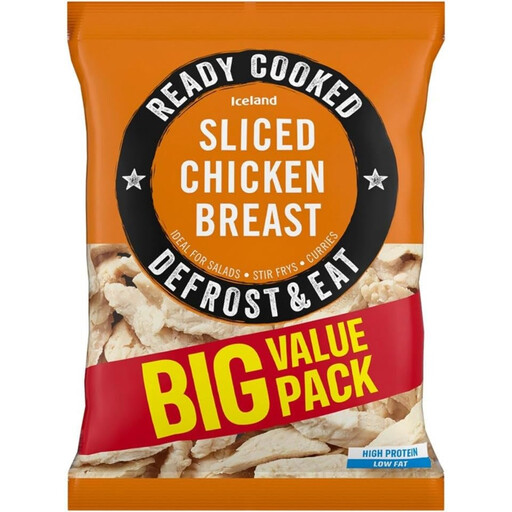 No image available
The sliced format can be considered for dishes where the kitchen prepares and cooks the chicken. Treat it as raw poultry: follow the pack’s cooking instructions and the home’s controls for preventing cross-contamination. Check the current pack’s origin and welfare information if the home has sourcing requirements.
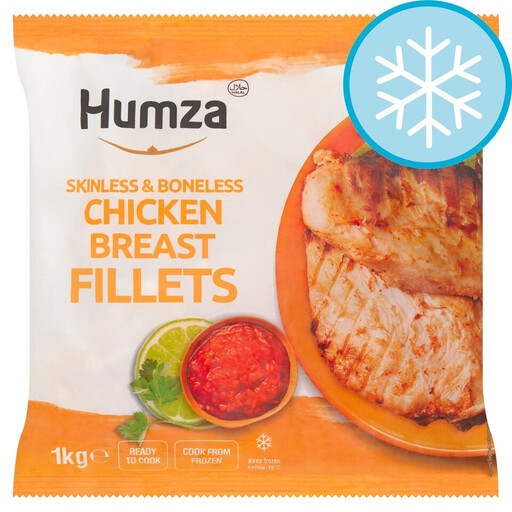 No image available
These plain fillets suit a menu that calls for chicken prepared into different dishes, provided the kitchen can plan refrigerator defrosting before cooking. The listing states that the product is made in India; check that origin against the home’s sourcing policy. Fillet format alone does not establish suitability for a modified-texture meal.
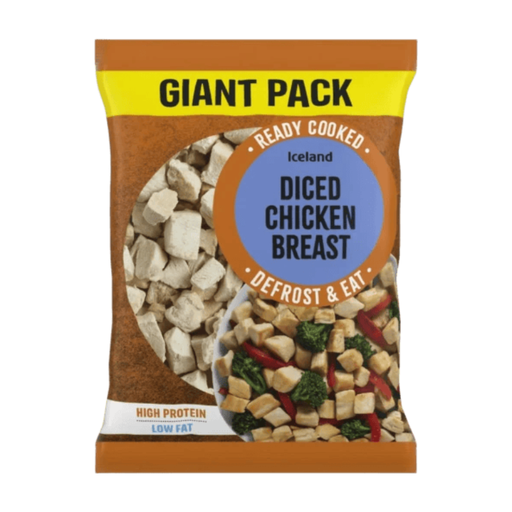 No image available
This pre-cooked, diced format is a different starting point from raw fillets for dishes prepared from scratch. Follow the stated defrosting and thorough-heating directions. Its listed salt content is 0.7 g per 100 g as consumed, a figure to consider alongside the rest of the planned meal.
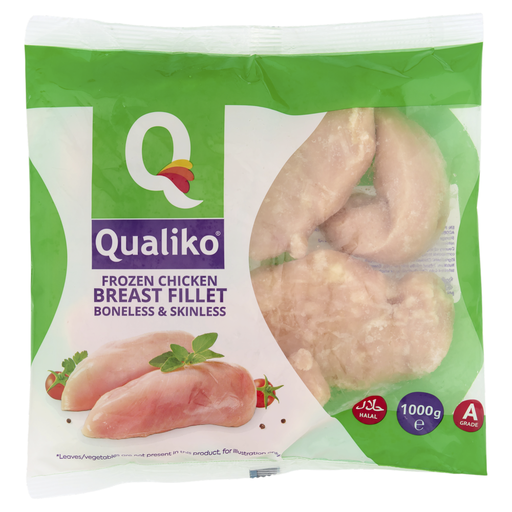 No image available
The listing gives cook-from-frozen directions for these fillets, which may fit a kitchen workflow without a defrosting step. Its ingredient descriptions conflict: one lists 82% chicken with water, dextrose and salt, while another says 100% chicken breast. Check the current pack declaration before ordering and follow its cooking directions.
Use checkable attributes for the exact product: its ingredients, origin, stated welfare standard, nutrition declaration and preparation instructions. For example, M&S and Waitrose describe specific sourcing or welfare attributes for their listed fillets; a premium description alone says nothing about the finished meal’s suitability for an individual resident.
Not on the basis of their fillet format alone. South Tees Hospitals NHS Foundation Trust says some residents with swallowing problems are recommended modified-texture diets; follow the individual’s assessed care plan and check the finished dish against its required texture.
Choose the format that fits the planned dish and its preparation method. Plain fillets allow the kitchen to decide how to cut and season the chicken; diced products start with prepared pieces, while coated products bring a separate recipe whose ingredients, allergens and finished texture need checking.
Only use a cook-from-frozen method when the exact pack provides those instructions and the kitchen can follow them. Products with defrost-before-cooking directions require a different schedule; check the pack rather than applying one product’s method to another.
Check that frozen storage, temperature monitoring, defrost arrangements where needed, and raw-food separation fit the home’s documented food-safety procedures. The Food Standards Agency provides food-safety-management guidance for residential care homes and guidance on facilities for storing frozen food and monitoring temperatures.