
24/7 Customer Support

Free returns

Same-day & Next-day Delivery

Quality Guaranteed

Unlock Your Welcome Offers: FREE Delivery | Up to 80% OFF | Free 30-day JoyPlus trial
Download the APP
Frozen chicken and duck can make meal planning easier, but the product name alone rarely tells you whether it suits your recipe, freezer space or cooking routine. UK shoppers may be comparing raw poultry, prepared snacks, Asian-style cuts, offal and halal whole chicken products in the same search results.
A sensible purchase starts with three questions: What cut am I actually getting? How must it be stored and cooked? Does the pack size match my household?
Some frozen chicken and duck products require complete cooking, while others are pre-cooked and only need reheating. Raw chicken wings, chicken thighs, duck wings and chicken hearts should not be treated like convenience food. By contrast, products such as chicken dippers or roasted duck have preparation instructions designed for heating.
Always check whether the label says raw, ready to cook or fully cooked. This affects preparation time, kitchen hygiene and the equipment you need.
A 1kg or 2.5kg pack may offer useful value for families and meal preppers, but it can be inconvenient if you have a compact freezer or cook for one or two people. Large packs may also lead to waste if you cannot portion them before defrosting.
Check the net quantity, approximate piece count and whether the pack contains one block or individually separable portions. Chicken wings, boneless thighs and chicken feet can work well for batch cooking, but only if you have enough storage space.
Lean chicken breast is not interchangeable with skin-on chicken thighs, duck neck or chicken feet. Cuts with skin, bones or connective tissue generally suit longer cooking methods, while boneless pieces are more convenient for stir-frying and quick meals.
Marketing descriptions such as “premium”, “succulent” or “restaurant-style” do not replace practical information. Focus on the ingredient list, cut, weight, storage instructions and cooking guidance.
For plain raw poultry, look for a simple ingredient list such as Chicken (100%) or Duck (100%). This helps distinguish raw chicken or raw duck from coated, marinated or seasoned products.
Prepared items may contain wheat, soya, fish, milk or other allergens. For example, chicken karaage includes wheat, soya and fish in its listed ingredients, while chicken dippers contain wheat and may contain egg and milk. Read the current packaging carefully if you are cooking for anyone with an allergy.
Most frozen poultry listed here requires storage at -18°C or below. Do not refreeze poultry after it has defrosted unless the packaging specifically permits it. Defrost raw products in the refrigerator, ideally in a covered container at the bottom of the fridge, to reduce the risk of juices contacting other food.
Some products can be cooked from frozen, but this depends on the individual instructions. NH Chicken Karaage, for instance, lists air-frying or deep-frying without thawing. Follow the product label rather than applying instructions from another pack.
The cut determines preparation time and serving style:
For food safety, cook raw poultry thoroughly and follow the temperature guidance on the packaging. One listed whole chicken specifies a core temperature above 75°C, while the chicken feet instructions specify an internal temperature above 70°C.
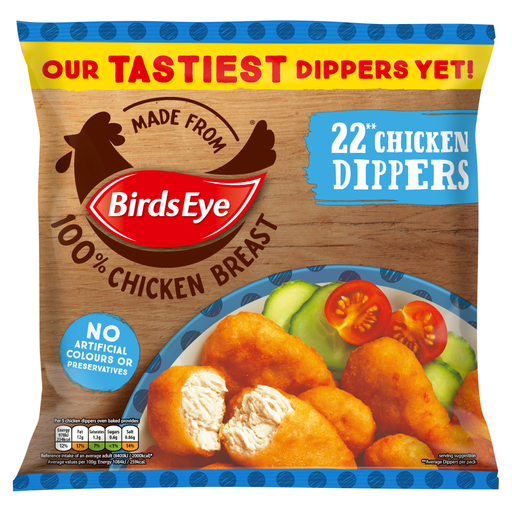
Why This Fits Their Persona: A practical option for families, packed lunches and quick weekday meals, with approximately 22 pieces in a 403g pack.
It is clearly presented as a coated frozen product with oven preparation guidance, rather than being mistaken for raw chicken.
Made with listed chicken breast content; designed to be oven-baked from frozen.
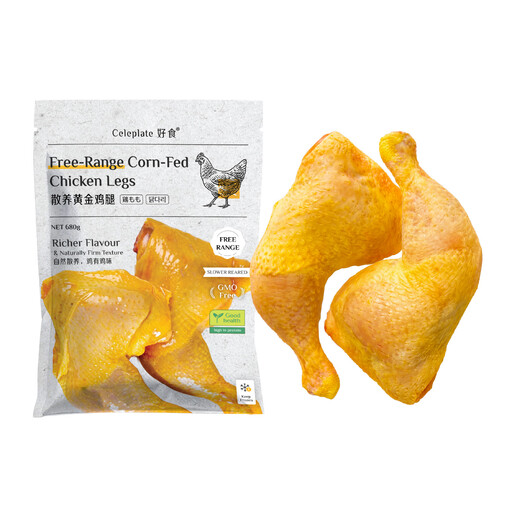
Why This Fits Their Persona: Suits cooks looking for a larger bone-in cut for roasting, barbecuing, braising, soups or Hainan-style chicken rice.
The listing states the cut, 100% chicken ingredient, approximate weight and Spanish origin, giving useful information beyond promotional wording.
Bone-in chicken legs; suitable for several cooking methods and home freezing according to the listing.
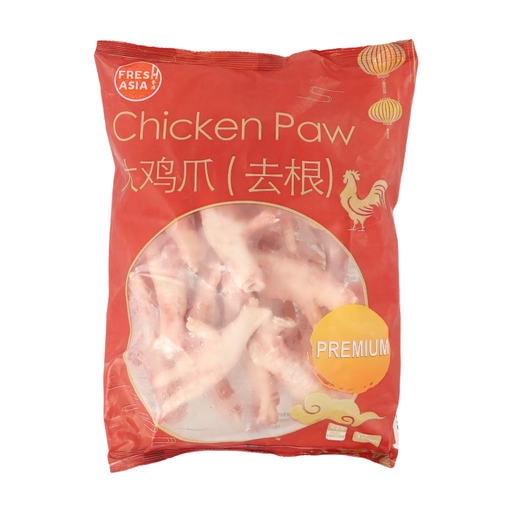
Why This Fits Their Persona: A substantial pack for cooks preparing braised chicken feet, soups, hot pot or traditional Asian-style side dishes for several people.
The product specifies a 1kg quantity, cooking methods and defrosting steps, helping shoppers plan rather than rely on vague serving claims.
Listed as 100% frozen raw chicken feet; includes detailed braising, soup and deep-frying guidance.
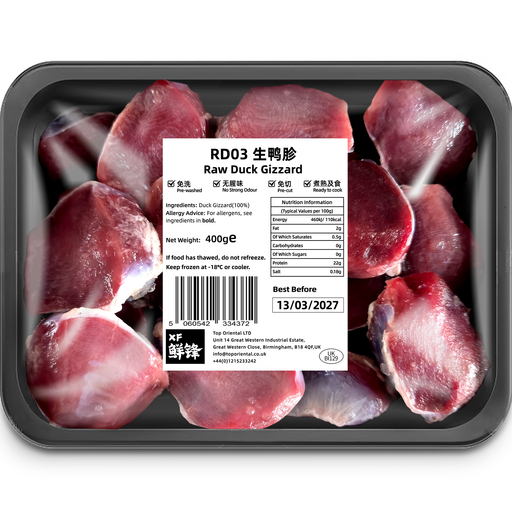
Why This Fits Their Persona: Designed for cooks seeking less common frozen Asian ingredients for stir-fries, marinades and snack-style dishes.
The listing identifies the ingredient as 100% duck gizzard and states that it is pre-washed and pre-cut, avoiding uncertainty about preparation.
400g pack; listed nutrition includes 22g protein per 100g; suitable for stir-frying or marinating.
We have compiled a complete, real-time list of products that fully satisfy these strict selection criteria and UK safety regulations.
Before placing an order for frozen poultry, UK shoppers can use this quick checklist:
Yes, plain raw chicken and duck cuts can be portioned into meal-sized servings while frozen or after safe refrigerator defrosting. Store portions securely and do not refreeze poultry once it has thawed. Prepared products may be more convenient for individual meals but should still be stored according to the label.
Chicken thighs generally provide a larger meat portion and are useful for curries, stir-fries and roasting. Chicken wings contain more skin and bone relative to their size, making them suitable for barbecuing, frying, roasting and sharing platters. Cooking time depends on the size and whether the product is raw or coated.
Duck gizzard, duck tongue, duck neck and duck feet should be thawed if required, prepared as directed and cooked thoroughly before eating. Braising, stir-frying, hot pot and marinating are common approaches, but the precise cooking time depends on the cut. Always follow the current pack instructions and keep raw poultry separate from ready-to-eat food.