Retired shoppers comparing fat content
For regular home meals, plain frozen breast is a useful starting point if you want to compare fat and saturates. Read the figures per 100g on the exact pack rather than relying on its name or photograph.


For a lower-fat frozen chicken choice, start by comparing plain breast fillets with coated products using the fat and saturates figures per 100g on each pack. A product described as chicken breast can still contain batter or other ingredients; Birds Eye’s tempura chicken, for example, lists chicken breast as 50% of its contents. If shopping for someone with poor appetite, unplanned weight loss or a prescribed fortified diet, follow their individual nutrition plan rather than assuming a lower-fat swap is appropriate.
For regular home meals, plain frozen breast is a useful starting point if you want to compare fat and saturates. Read the figures per 100g on the exact pack rather than relying on its name or photograph.
Frozen portions may fit meals planned in advance, but preparation matters. Decide whether raw fillets that need handling and cooking, or a cooked product that needs reheating according to its pack, suits the person preparing the meal.
If the person has poor appetite, unplanned weight loss or a prescribed fortified diet, do not make lower fat the default goal. East Suffolk and North Essex NHS Foundation Trust’s guidance on nutrition in older adults includes full-fat foods in food-first approaches; follow the person’s assessment and care plan.
Begin with the nutrition panel and ingredients for the format you would actually buy, then check whether its preparation fits the household.
| Priority | What to check | Your needs |
|---|---|---|
| Fat and saturates | Compare both figures per 100g on the exact packs. The NHS defines 1.5g saturates or less per 100g as low; that threshold does not tell you a product’s total fat content. | I’m looking for a lower-fat option, so I want to compare plain breast with any breaded, battered or filled alternative on the same per-100g basis. |
| Ingredients | Check how much of the product is chicken and whether the ingredient list includes a coating, oils or a filling. Birds Eye lists chicken breast as 50% of its tempura product. | If I choose a prepared chicken product for convenience, I still want to know what else is in it before comparing nutrition panels. |
| Individual nutrition needs | Check whether an assessment or care plan calls for a fortified diet. East Suffolk and North Essex NHS Foundation Trust’s older-adult guidance includes full-fat foods where a food-first approach is appropriate. | When shopping for someone with poor appetite or weight loss, I need their individual plan to guide the choice—not a general lower-fat rule. |
| Preparation | Check whether the chicken is raw or cooked, whether it needs defrosting and what the pack says about cooking or reheating. Keep raw poultry separate from other food during defrosting, as the Food Standards Agency advises. | I want a format the person preparing dinner can store, handle and cook as directed, whether that means raw portions or cooked chicken for reheating. |
| Allergens | Read the current ingredient and allergen declaration, particularly on coated products. Birds Eye’s tempura chicken lists wheat flour; another product may have different ingredients. | If I’m serving someone who needs to avoid an ingredient, I’ll check the exact pack rather than assume all chicken-breast products are alike. |
A coating changes what you are comparing. Birds Eye lists chicken breast as 50% of its tempura product, while Waitrose lists 14.7g fat per 100g for its frozen breaded breast mini fillets.
For a lower-fat choice, compare the ingredients and per-100g fat and saturates figures on plain and coated packs separately.
Someone with poor appetite, unplanned weight loss or a prescribed fortified diet may have different priorities. East Suffolk and North Essex NHS Foundation Trust’s older-adult nutrition guidance includes full-fat foods in food-first approaches.
Use the person’s assessment and care plan to guide shopping, and seek advice from their healthcare professional if their needs are unclear.
The product’s appearance does not establish whether its chicken is raw or cooked. Raw poultry also needs to be kept separate from other food during defrosting, as the Food Standards Agency advises.
Check the exact pack for storage, defrosting and cooking directions, and follow them before serving.
Batter and breadcrumbs can change a chicken product’s ingredients. Birds Eye’s tempura chicken, for example, lists wheat flour.
Check the current label for each product. If preparing food for other people, keep the ingredient information for the exact product and recipe being served.
These product-line examples show why the format and exact label matter; a brand name alone does not establish a chicken product’s nutrition.
M&S lists plain frozen Oakham Gold chicken-breast products, including fillets and diced breast.
Waitrose lists both plain frozen chicken-breast fillets and breaded chicken products.
Birds Eye lists prepared frozen chicken-breast products with batter or breadcrumbs.
Tesco’s frozen chicken-breast category lists plain fillets and diced breast alongside prepared formats such as tempura chicken chunks.
These options include breast fillets, sliced breast, strips and cooked diced chicken. Choose the format that fits the meal, then compare the current packs’ nutrition and preparation directions.
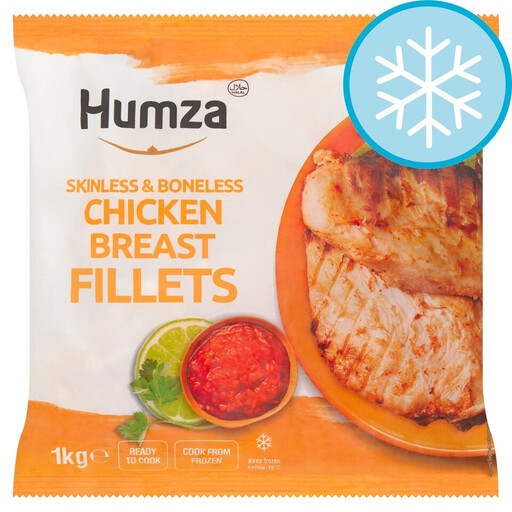 Image unavailable
Plain fillets suit meals where you want to portion and season the chicken yourself. This is raw chicken: follow the pack’s defrosting and cooking directions, and keep it separate from ready-to-eat food during preparation.
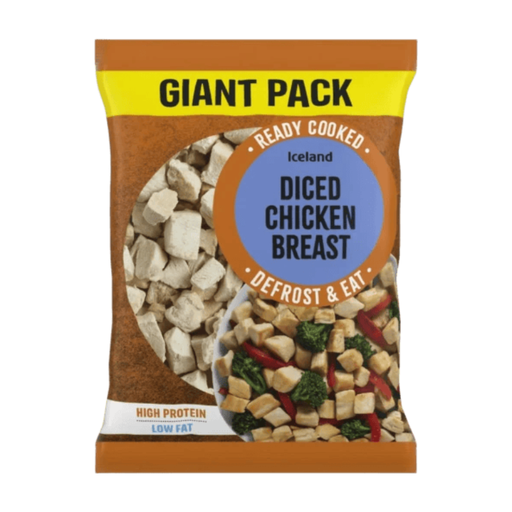 Image unavailable
Cooked diced chicken offers a different preparation route from raw fillets. Follow the pack’s directions to defrost it in a refrigerator and heat it thoroughly; the listed instructions say not to refreeze it once defrosted.
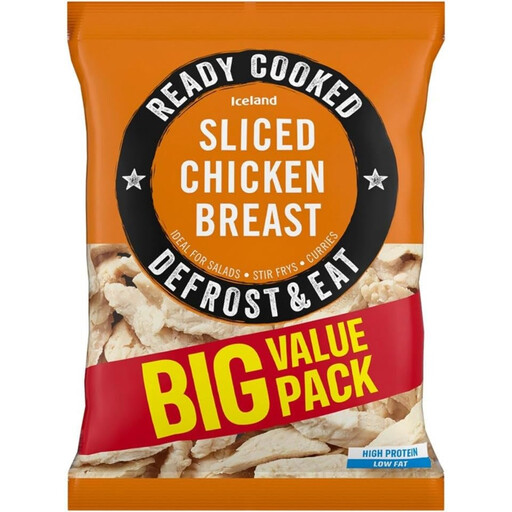 Image unavailable
Pre-sliced breast may suit a meal that calls for chicken pieces rather than whole fillets. This is raw poultry, so follow the pack’s defrosting and cooking directions and prevent contact with ready-to-eat food.
 Image unavailable
Strips offer a portion shape for meals that do not call for whole fillets. Check the current pack’s ingredients and cooking directions before deciding how to prepare them.
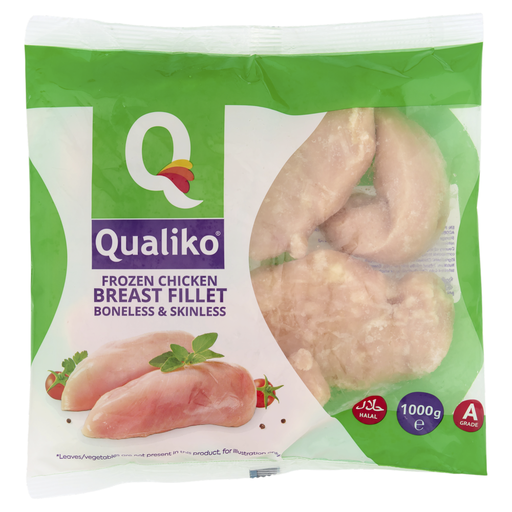 Image unavailable
Boneless, skinless fillets are an option for meals prepared from whole breast pieces. Check the current pack’s chicken percentage and ingredient list before comparing it with other plain fillets. This is raw chicken; follow its cooking directions and cook thoroughly.
Read the saturates figure per 100g on each product’s nutrition panel. The NHS defines 1.5g saturates or less per 100g as low. Check total fat separately, especially when comparing plain chicken with coated products.
Not necessarily, but do not assume it has the same ingredients or fat content as plain breast. Waitrose lists 14.7g fat per 100g for its frozen breaded breast mini fillets; Birds Eye’s tempura chicken lists wheat flour and oil. Compare the exact packs against the meal you intend to make.
No. Poor appetite, unplanned weight loss or a prescribed fortified diet can change the shopping priority. East Suffolk and North Essex NHS Foundation Trust’s guidance on nutrition in older adults includes full-fat foods in food-first approaches; follow the person’s individual assessment and care plan.
Follow the cooking and defrosting directions on the exact pack, and cook the chicken thoroughly before serving. The Food Standards Agency advises keeping poultry separate from other food while it defrosts; check whether the pack permits cooking from frozen rather than assuming it does.