Choose plain frozen breast fillets if the eater already accepts uncoated chicken and you want to control the size, seasoning and sides. If they prefer a familiar coating, consider strips, dippers or mini fillets instead, checking the ingredients, allergens and cooking instructions. A premium welfare claim does not tell you whether a fussy eater will accept the meal.
Who is this choice for?
Parents serving a texture-selective child
Start with a format the child already recognises, whether that is a plain piece or coated chicken. The NHS advises offering small portions without pressure and continuing to offer a variety of foods; a familiar format is not a promise that a particular product will be accepted.
Households wanting control over a plain-chicken meal
Raw breast fillets let you decide how to cut and season the chicken and what to serve alongside it. Compare the particular pack’s ingredients, welfare claims and preparation instructions rather than treating a premium label as a guide to taste.
Families planning a freezer meal
Check whether the chosen chicken can be cooked from frozen or needs to be fully defrosted. Those instructions can matter more to an evening meal plan than whether the pack contains fillets, strips or smaller coated pieces.
What should you check?
Begin with the eater’s familiar textures, then choose a pack whose ingredients and preparation method fit the meal you can make.
| Priority |
What to check |
Your needs |
| Familiar format |
Compare plain fillets with coated strips or smaller pieces. Check the coating and seasoning rather than assuming all breaded chicken tastes alike. |
Plain pieces suit my meal if uncoated chicken is already familiar; otherwise, a known coated format may be easier to offer in a small portion. The NHS advises against pressuring a child to eat. |
| Premium attributes |
Look for product-specific origin, welfare or rearing statements and read the ingredient list. M&S Oakham Gold displays an RSPCA Assured mark; Waitrose describes its frozen breast fillets as British and makes a slower-reared, more-space claim. |
I want to know what a premium claim refers to, while choosing the serving style around the eater’s preferences rather than expecting a welfare claim to change them. |
| Ingredients |
Distinguish uncoated fillets, breast portions with added ingredients and coated products. Tesco lists its frozen breast portions as 90% chicken breast with water, dextrose and salt; Birds Eye lists 56% chicken breast in its Buttermilk Chicken Strips. |
If I want an uncoated chicken meal, I need to check the actual ingredients rather than rely on the words “chicken breast” in a product name. |
| Meal timing |
Read the instructions for that pack. Ocado’s M&S Oakham Gold listing gives 1 hour 10 minutes for oven cooking from frozen; Waitrose says to defrost its plain frozen breast fillets fully before use. Waitrose breaded mini fillets list 22–25 minutes from frozen. |
For an unplanned meal, I need a cooking method that fits the time available; for a defrost-before-use pack, I can plan ahead. |
| Allergens |
Check the current pack’s ingredient and allergen statements, particularly on coated products or after a substitution. Sainsbury’s advises checking packaging because ingredients can change. |
When an ingredient matters to someone eating the meal, I need the label on the pack I am serving, not an older online listing. |
Common buying mistakes
-
Expecting a premium label to settle the texture question
Welfare and sourcing statements describe attributes of a product, not whether a particular eater will like its flavour or texture.
Choose a format the eater already accepts where possible. The NHS suggests small portions, repeated offering and avoiding pressure.
-
Treating coated pieces as plain fillets
A coating changes the ingredient list and the eating experience. Birds Eye lists 56% chicken breast in its Buttermilk Chicken Strips; coated products also need a careful allergen check.
For an uncoated meal, compare plain-fillets labels. For a coated meal, compare the ingredients, allergen statement and cooking method of the specific products.
-
Leaving the preparation method until dinnertime
Waitrose instructs buyers to defrost its plain frozen breast fillets fully before use, while the M&S Oakham Gold listing gives a longer oven-from-frozen method.
Check the pack before planning the meal, and do not transfer cooking times or defrosting instructions from another chicken product.
-
Using an old allergen listing
A previous online listing may not describe the pack currently in your freezer. Sainsbury’s advises that product ingredients can change.
Read the physical pack’s ingredients and allergen statement each time, including after a repeat purchase or substitution.
Relevant brand references
These examples show how particular frozen-chicken products differ; a brand’s inclusion does not mean every product in its range has the same ingredients or preparation instructions.
M&S
Ocado lists M&S Oakham Gold Frozen Chicken Breast Fillets as a 1kg British frozen pack with an RSPCA Assured mark.
- A product-specific welfare mark gives shoppers a concrete attribute to assess.
- The listed oven-from-frozen method takes 1 hour 10 minutes. The fillets are raw poultry, and the listing warns that bones may remain.
Waitrose
Waitrose lists both British frozen plain breast fillets and separately listed breaded breast mini fillets.
- The plain fillets carry Waitrose’s slower-reared, more-space welfare claim; the breaded mini fillets offer a smaller coated format.
- The plain fillets must be fully defrosted before use. The breaded mini fillets have a different ingredient and allergen profile, so check their pack separately.
Birds Eye
Birds Eye presents its Chicken Shop Buttermilk Chicken Strips as a coated option and markets them to fussy eaters.
- A strip format may be relevant where coated chicken is already familiar.
- The listed product contains 56% chicken breast. Birds Eye’s fussy-eater wording is a manufacturer claim, not evidence that an individual eater will accept it; check the pack’s allergen statement.
Tesco
Tesco lists a frozen chicken breast-portions product for shoppers considering an uncoated format.
- The ingredient list makes the composition of this particular frozen product clear: 90% chicken breast, with water, dextrose and salt.
- It is not a single-ingredient fillet. Tesco’s separately listed Finest cornfed free-range breast fillets are a fresh product, not the same frozen option.
Sainsbury’s
Sainsbury’s provides guidance on checking allergen information for its own-brand and in-store prepared products.
- Its advice directs shoppers to the physical packaging because ingredients can change.
- That general guidance does not establish the ingredients or suitability of a particular frozen-chicken product.
Joybuy product options
These options include plain chicken for meals you prepare yourself and coated pieces for eaters who already accept that format. Check each current pack for its full ingredients and cooking directions.
 No image available
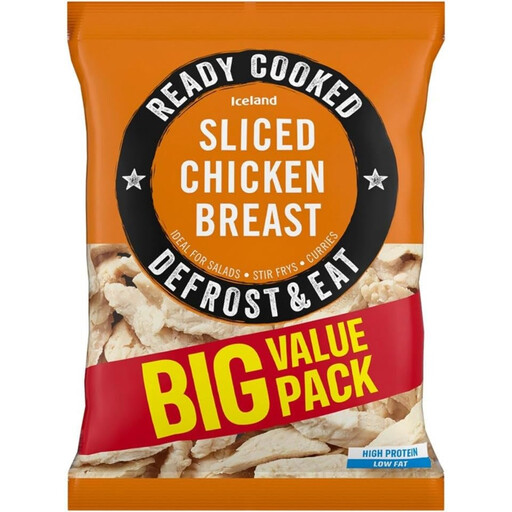
Iceland Sliced Chicken Breasts 2.1kg
Sliced breast is an uncoated format to consider if plain chicken is already accepted and you want to choose how to serve it. This is raw poultry: follow the pack’s handling and cooking instructions, and check its welfare or origin details if those matter to your choice.
View on Joybuy
 No image available
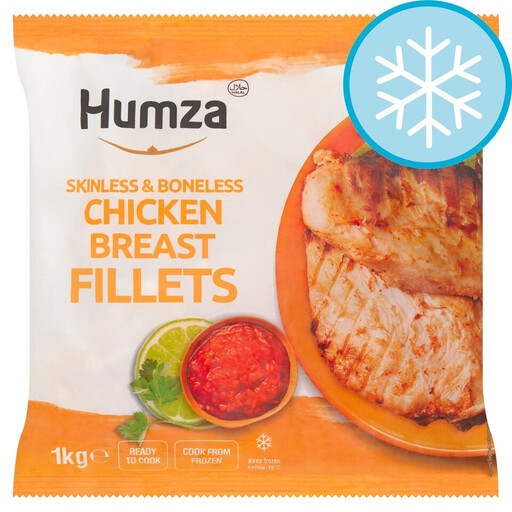
Humza Skinless & Boneless Chicken Breast Fillets 1kg
These plain fillets suit a meal where you choose the seasoning and serving size. Plan for the stated refrigerator defrosting requirement before cooking. Despite the title’s boneless description, the product information warns that bones may remain; take care when serving.
View on Joybuy
 No image available
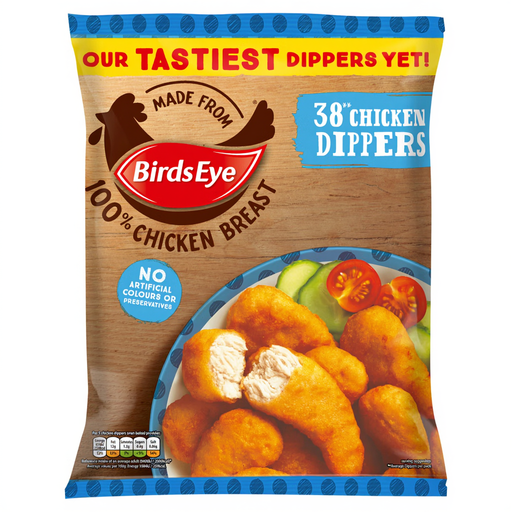
Birds Eye Chicken Dippers 697g
Dippers offer a coated shape to consider if the eater already accepts similar pieces; they are not the same choice as plain fillets. The product information identifies wheat and warns that egg and milk may be present. Check the current pack’s allergens and full cooking directions.
View on Joybuy
 No image available
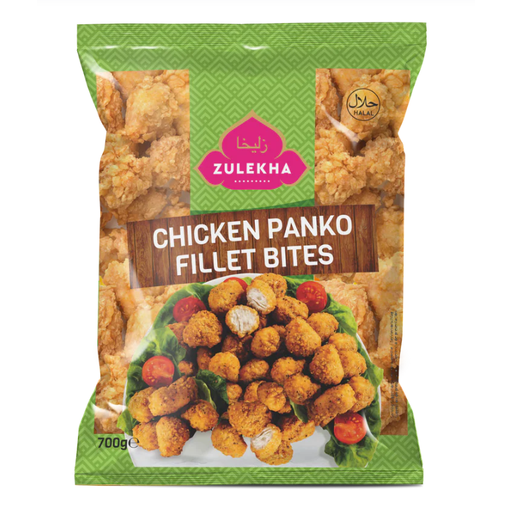
Zulekha Chicken Panko Fillet Bites 700g
These panko-coated bites are a different format from plain chicken and are worth considering only if a crisp coating is familiar to the eater. The product information identifies wheat and soy and warns that bones may remain. Follow the current pack’s cooking directions.
View on Joybuy
 No image available
Morrisons Chicken Breast Strips 500g
Breast strips provide smaller plain-chicken pieces for a meal you season and serve yourself. Check the pack for its preparation method and cooking time before planning the meal, and for any origin or welfare information important to you.
View on Joybuy
Questions about frozen chicken
Should I choose plain fillets or breaded chicken for a fussy eater?
Choose plain fillets if uncoated chicken is already accepted and you want to control the seasoning and serving size. Consider breaded pieces if that texture is familiar, but check their ingredients and allergens. The NHS recommends offering small portions without forcing a child to eat.
Can all frozen chicken be cooked straight from the freezer?
No. The Ocado listing for M&S Oakham Gold gives an oven-from-frozen method of 1 hour 10 minutes, while Waitrose instructs buyers to defrost its plain frozen breast fillets fully before use. Waitrose breaded mini fillets list 22–25 minutes from frozen. Follow the instructions on the particular pack.
What should I check before cooking raw frozen chicken?
Check whether the pack requires defrosting, then follow its handling and cooking instructions and make sure the chicken is thoroughly cooked. Keep raw chicken and anything it touches away from food that is ready to eat.
How do I check allergens in coated frozen chicken?
Read the ingredient and allergen statement on the current pack, including any “may contain” wording, before serving it. Sainsbury’s advises checking packaging because product ingredients can change; a previous purchase or online listing is not a substitute for the pack in hand.
Will a higher-welfare frozen fillet be more acceptable to a fussy eater?
A welfare statement cannot establish whether an individual eater will accept the chicken. M&S Oakham Gold and Waitrose plain frozen fillets have product-specific welfare or rearing statements; choose between plain and coated formats using the eater’s familiar textures and flavours as a separate consideration.


