People planning a lower-fat meal
Plain, skinless breast fillets can provide a chicken base for a curry, stir-fry or traybake. Compare the exact pack’s fat per 100g, then allow for its defrosting or cooking instructions.


Choose skinless, unbreaded frozen chicken breast fillets when fat content matters most: the Tesco, Waitrose and M&S examples list 1.2–2.6g fat per 100g, within the UK low-fat criterion of no more than 3g per 100g for solid food described by Business Companion. The trade-off is timing: these fillets need advance defrosting or, where the pack permits cooking from frozen, around 50 minutes in the oven. A battered option may cook sooner, but check its own fat figure rather than assuming chicken breast makes the finished product low fat.
Plain, skinless breast fillets can provide a chicken base for a curry, stir-fry or traybake. Compare the exact pack’s fat per 100g, then allow for its defrosting or cooking instructions.
Cooking from frozen does not necessarily mean a short dinner preparation time. Tesco’s listed plain fillets take 50 minutes in the oven from frozen; Birds Eye’s tempura-battered portions list 18–20 minutes, but need a separate nutrition check.
Waitrose describes its frozen breast fillets as coming from slower-reared chickens with more space. M&S describes its Oakham Gold fillets as slower-reared and RSPCA Assured. These are the retailers’ claims about those lines, not an independent comparison of welfare.
Choose when: Fat per 100g is the deciding factor and you can plan around the cooking instructions.
Allow for: The Waitrose and M&S examples require defrosting; Tesco’s examples permit oven cooking from frozen but list 50 minutes.
Choose when: A shorter stated cooking time from frozen matters more than choosing a plain fillet.
Allow for: The Birds Eye tempura example lists 18–20 minutes, but its chicken-breast content alone does not establish that the finished portion is low fat.
Compare the finished product’s label first, then its cooking method and the time you actually have before dinner.
| Priority | What to check | Your needs |
|---|---|---|
| Fat content | Compare fat per 100g on the exact pack. Business Companion’s UK low-fat criterion for solid food is no more than 3g fat per 100g; it is not the same as a product’s reduced-fat claim. | I want a lower-fat chicken base, so I will compare the finished products’ labels rather than assume every item called chicken breast has the same fat content. |
| Dinner timing | Check whether the instructions permit cooking from frozen, require defrosting, or describe reheating after defrosting. Compare the stated time for the method you will use. | If dinner needs to be on the table soon, a pack that takes 50 minutes from frozen will not meet the same timetable as one listing 18–20 minutes. |
| Ingredients | Read the ingredient list and chicken percentage where stated, alongside nutrition per 100g. Tesco’s listed fillet packs include added water, dextrose and salt; Birds Eye’s tempura portion lists 50% chicken breast. | I may want plain fillets for a recipe, or a coated portion as the main dish. The pack weight alone will not tell me how much is chicken. |
| Defrosting | Follow the exact pack’s defrosting and refreezing instructions. GOV.UK food-hygiene guidance says to defrost fully before cooking unless the manufacturer instructs you to cook from frozen. | When I have not planned ahead, I need a product whose own instructions fit the time available—not an assumed shortcut for raw frozen chicken. |
A chicken-breast ingredient does not establish the fat content of a coated finished product. Business Companion gives a UK low-fat criterion for solid food of no more than 3g fat per 100g.
Use the exact pack’s fat-per-100g figure when screening for low fat, and rely on a reduced-fat claim only where the product’s own label makes it.
The Waitrose and M&S examples require defrosting before cooking. Tesco’s listed fillets can go into the oven from frozen, but their instructions give 50 minutes.
Defrost ahead according to the pack if you want plain fillets on a shorter evening timetable. If choosing a faster prepared portion instead, check its nutrition separately.
Some fillet products contain added ingredients, while batter contributes to the weight of a coated portion. Pack weight therefore does not describe chicken content by itself.
Check the ingredient list, chicken percentage where given and nutrition per 100g, as well as the portion size you intend to use.
Cooking-from-frozen and defrosting instructions differ between the listed products. A pack may also instruct you not to refreeze it after defrosting.
Follow that product’s handling instructions. Unless the manufacturer provides a cooking-from-frozen method, defrost fully before cooking, in line with GOV.UK food-hygiene guidance.
Tesco lists frozen chicken breast fillets in a 1kg pack and a Butchers Choice 1.2kg pack.
Waitrose lists frozen chicken breast fillets whose ingredient description is chicken breast fillet.
M&S lists Frozen Oakham Gold British Chicken Breast Fillets.
Birds Eye’s Crispy Chicken Breasts in Tempura Batter are a prepared, coated alternative to plain frozen fillets.
These options include seasoned chicken chunks for a meal planned ahead and plain breast fillets. Compare their pack instructions with your dinner timetable before choosing.
 No image available
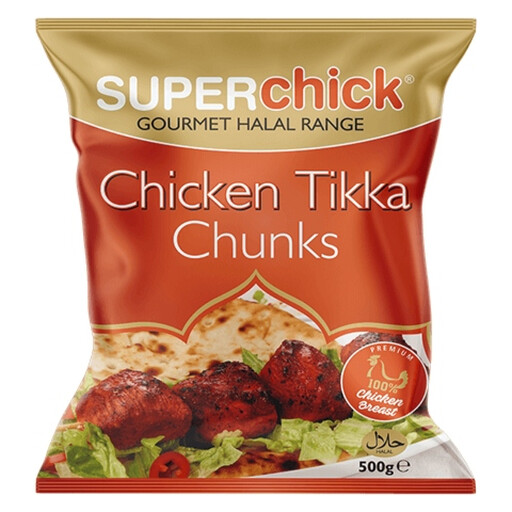
Consider these seasoned chunks for a meal planned ahead, rather than an immediate dinner from frozen. The listing describes them as fully cooked and gives a short microwave reheating method after 12–24 hours of refrigerator defrosting. It identifies yoghurt powder containing milk; check the current pack if that affects your choice.
 No image available
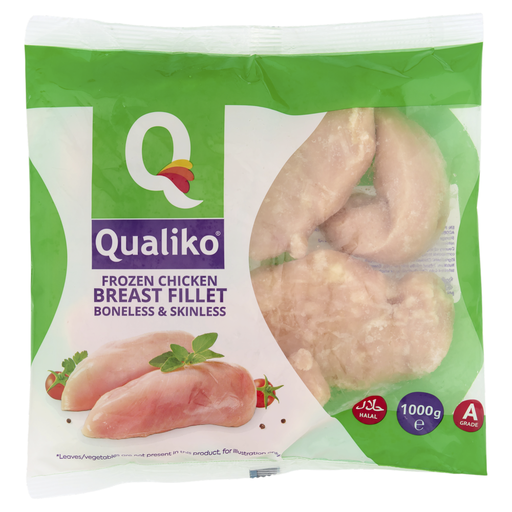
These plain fillets are an option when cooking from frozen is useful but a short oven window is not essential: the stated method takes 50–55 minutes. Check the current pack’s ingredients before buying if chicken content matters to you, as the listing’s ingredient and descriptive wording give conflicting compositions.
 No image available
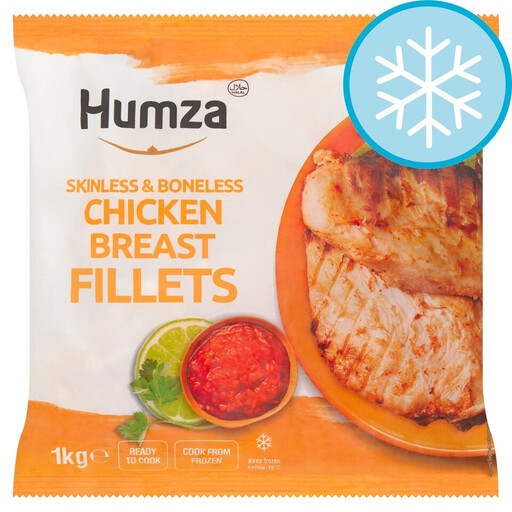
These plain fillets suit a meal you can prepare for in advance. The listing instructs you to defrost them thoroughly in a refrigerator before cooking and not to refreeze them once defrosted. Check the pack’s cooking method and duration against your evening plans.
No. Check fat per 100g on the exact finished product. Business Companion states that the UK low-fat criterion for solid food is no more than 3g fat per 100g; a breast ingredient alone does not establish that a breaded or battered portion meets it.
Only follow a cooking-from-frozen method if the manufacturer provides one. Tesco’s listed fillets specify 50 minutes in the oven from frozen, while Waitrose instructs you to defrost its fillets fully. GOV.UK food-hygiene guidance says food should be fully defrosted before cooking unless the manufacturer’s instructions say to cook from frozen.
It may be quicker to cook, but speed does not establish fat content. Birds Eye lists 18–20 minutes from frozen for its tempura-battered chicken; compare that exact product’s fat per 100g before using it as a lower-fat alternative.
Follow the pack’s defrosting instructions and allow the stated refrigerator time before cooking. Keep raw chicken separate from ready-to-eat food, and follow any instruction not to refreeze it once defrosted. Use a cooking-from-frozen method only where the manufacturer provides one.
Read the exact pack before use, particularly for seasoned, breaded or battered products. Ingredients and warnings differ by product: the SUPERchick chunks listing, for example, identifies yoghurt powder containing milk. Do not assume a plain fillet’s short ingredient list applies to a coated portion.