Meal planners using plain chicken
If you portion frozen chicken for homemade meals, compare the exact pack’s fat and salt per 100g, chicken content and preparation instructions. A breast-fillet name alone does not tell you all four.


Plain skinless frozen breast fillets are a sensible starting point when low fat is the main requirement, but check the exact pack: the NHS guide for low total fat is 3g or less per 100g, while Asda lists 3.5g per 100g oven-baked for one of its breast-fillet products. Added-water fillets can differ in chicken content and salt, and coated chicken needs a separate nutrition check. Preparation instructions matter too if the pack must fit a particular meal plan.
If you portion frozen chicken for homemade meals, compare the exact pack’s fat and salt per 100g, chicken content and preparation instructions. A breast-fillet name alone does not tell you all four.
Look at what the pack contains as well as its size. Added water, coating and defrosting requirements can change how well a product fits the meals you intend to make.
Check whether the specific product can be cooked from frozen or needs defrosting first. Plain fillets and prepared, coated chicken should also be compared on their own nutrition labels.
Start with the exact product’s nutrition and ingredients, then check whether its preparation instructions suit your meals. Values stated for cooked and uncooked chicken are not directly interchangeable.
| Priority | What to check | Your needs |
|---|---|---|
| Value in use | Check pack size, chicken percentage and whether water or coating is added. Consider how much preparation the pack requires. | I want a pack that works for the meals I make, not just one that looks appealing on the shelf. In a YouGov report published in July 2026, 62% of 28,421 British adults responsible for grocery shopping cited value for money as a reason for buying frozen food; that figure covers frozen food generally, not chicken specifically. |
| Total fat | Read total fat per 100g on the exact variant and note whether the value is for the product as sold or cooked. The NHS low-fat guide is 3g or less per 100g. | For a low-fat chicken base, I need the pack’s own fat figure. Asda lists 3.5g per 100g oven-baked for its 1kg breast fillets, so the cut name alone is not enough to judge them against the NHS guide. |
| Salt and ingredients | Compare salt per 100g and read the ingredient list for added water and seasoning. The NHS low-salt guide is 0.3g or less per 100g. | I may want to season plain chicken myself. Sainsbury’s lists 0.7g salt per 100g oven-baked for Taste Inc. mini-fillets, compared with 0.13g per 100g cooked for its British skinless fillets; check the different nutrition bases before comparing further. |
| Preparation time | Check whether the pack says to defrost before cooking or gives cook-from-frozen directions. Follow its specific cooking and storage instructions. | If I am planning a same-day meal, I need to know whether defrosting is required. Sainsbury’s British skinless fillets and Waitrose frozen breast fillets both specify defrosting before cooking. |
| Coated products | Read fat, salt and chicken percentage for the whole product, not just the chicken named on the front. Compare its stated nutrition basis with that of any plain fillets. | A prepared chicken meal might save preparation, but it is a different choice from a plain low-fat base. Waitrose lists 9.1g fat per 100g for its Southern Fried Chicken Mini Fillets, above the NHS low-fat guide. |
| Sourcing and portions | Check any sourcing statements against the exact range, and use the pack’s serving information if your portion differs from 100g. | If sourcing matters to me, I can consider M&S’s stated RSPCA Assured and slower-reared credentials for its Frozen Oakham Gold fillets without assuming that every range has the same attributes. |
Plain and coated products can have very different nutrition, and even a breast-fillet name is not conclusive: Asda lists 3.5g fat per 100g oven-baked for its 1kg fillets, above the NHS guide of 3g or less per 100g.
Check total fat per 100g on the exact pack rather than judging it by the cut or front-of-pack description.
Fat and salt figures answer different questions. Sainsbury’s lists 1.5g fat and 0.7g salt per 100g oven-baked for Taste Inc. mini-fillets.
If salt matters to your choice, compare it separately per 100g. The NHS guide for low salt is 0.3g or less per 100g.
Some plain fillets require defrosting before cooking, including the reviewed Sainsbury’s British skinless and Waitrose frozen breast fillets. That affects when you can use them.
Read the pack before planning a meal, allow for defrosting where directed and follow its cooking and storage instructions.
These examples show why the exact product matters: nutrition, ingredients and preparation can differ within the frozen chicken category.
Tesco lists frozen breast fillets in both its standard and Everyday Value ranges.
Asda’s 1kg frozen breast fillets provide an example of why plain-looking packs still need a nutrition check.
The reviewed Sainsbury’s range includes added-water mini-fillets and its own British skinless breast fillets.
M&S presents its Frozen Oakham Gold British Chicken Breast Fillets as a plain option with stated sourcing credentials.
Waitrose offers both plain frozen breast fillets and prepared Southern Fried Chicken Mini Fillets.
Birds Eye’s reviewed Southern Fried Chicken Breasts are a coated, prepared product rather than plain fillets.
These packs offer breast fillets, sliced breasts or breast strips for shoppers considering plain frozen chicken. Compare each current pack’s nutrition basis, ingredients and preparation directions before choosing.
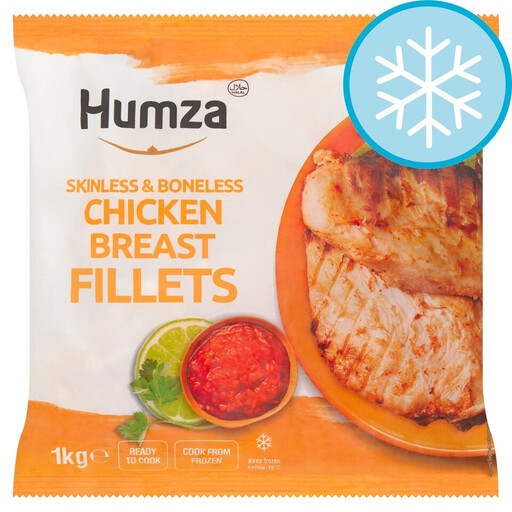 No image available
A 1kg skinless, boneless breast-fillet pack for portioning into homemade meals. Check the current pack’s per-100g nutrition and allow for refrigerator defrosting before cooking.
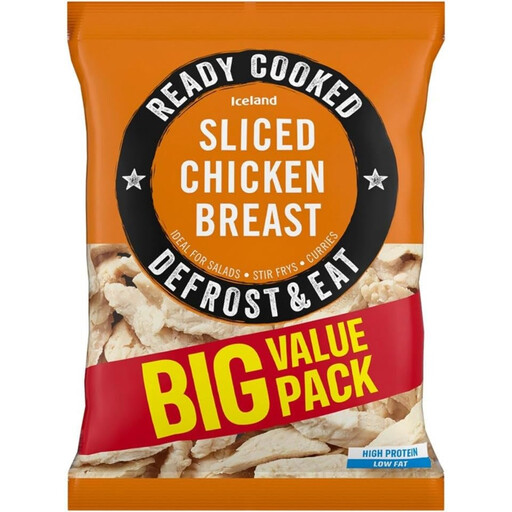 No image available
The 2.1kg sliced format may suit meals that use several portions of chicken. Check the pack’s nutrition basis, defrosting directions and full cooking instructions before planning those meals.
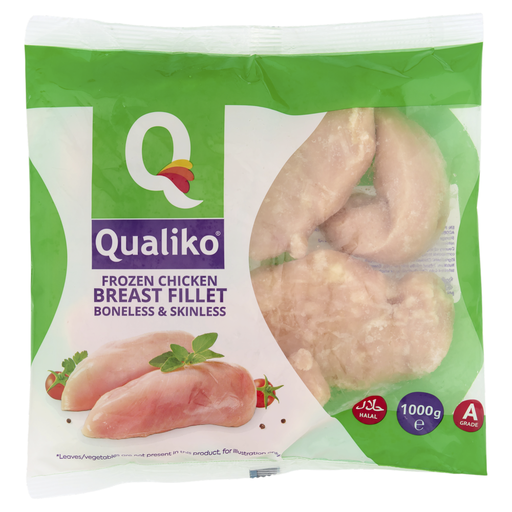 No image available
A 1kg breast-fillet option with cook-from-frozen directions. Product information gives conflicting chicken-content figures of 82% and 100%, so confirm the current pack’s ingredients; compare its salt and fat on the stated nutrition basis too.
 No image available
The 500g strip format is an alternative to whole fillets for meals using smaller pieces. Check the current pack’s fat and salt per 100g and its cooking directions before use.
The NHS guide for a food low in total fat is 3g or less per 100g. Check the exact chicken product’s label and whether its figures refer to the product as sold or cooked; a breast-fillet name does not establish that it meets the guide.
No: coating and other ingredients make it a different product to assess. Waitrose lists 9.1g fat per 100g for its Southern Fried Chicken Mini Fillets, above the NHS low-fat guide of 3g or less per 100g. Check each coated product’s own label rather than applying that figure to the category.
Compare figures on the same stated basis. A value per 100g cooked is not directly interchangeable with one per 100g as sold or oven-baked; also check the serving information if the amount you use differs from 100g.
Only when the specific pack gives cook-from-frozen directions. Sainsbury’s British skinless fillets and Waitrose frozen breast fillets specify defrosting before cooking. Follow the directions for the product you have and cook raw chicken thoroughly.
No. Chicken percentage tells you about composition, while the fat and salt figures, pack format and cooking instructions answer different questions. Check all of them against the meals you plan to make, particularly when comparing added-water fillets with plain or coated products.