Parents planning several meals
Plain fillets or diced breast can be seasoned and portioned for different recipes. Choose them when you have time to follow the pack’s defrosting and raw-poultry instructions.


For flexible family meals, choose plain frozen fillets or diced breast if you can plan the defrosting they require; an unseasoned cut gives you more control over the recipe. A cook-from-frozen product may suit a meal with less advance preparation, but check its full cooking time, ingredients and allergens. Paying more is not, by itself, evidence that a pack better suits your routine.
The useful distinction for a busy household is whether you can plan ahead for raw chicken or need a pack with instructions for cooking from frozen.
Plain fillets or diced breast can be seasoned and portioned for different recipes. Choose them when you have time to follow the pack’s defrosting and raw-poultry instructions.
Check the exact pack for a named assurance, rearing claim or origin statement, alongside its cut and ingredients. M&S describes its Oakham Gold diced breast as RSPCA Assured; a claim on one product does not describe every pack from that retailer.
A product explicitly labelled for cooking from frozen avoids a defrosting step. Allow for its stated cooking time and check whether a coating or seasoning changes the ingredients and allergens.
Start with the meal you need to make, then compare the preparation instructions and the contents of each pack. A welfare or origin claim is a separate consideration, not a substitute for those checks.
| Priority | What to check | Your needs |
|---|---|---|
| Meal flexibility | Check whether the pack contains plain fillets, diced chicken or a prepared portion. Check its cut and any seasoning or coating. | I want one ingredient I can season for several meals, rather than a product intended for one particular dish. |
| Preparation time | Read the pack’s defrosting and cooking directions. A cook-from-frozen instruction still requires the full stated cooking time. | Some evenings I can plan a fridge defrost; on others I need a pack with a clearly stated cooking route from frozen. |
| Ingredients and allergens | Compare the ingredient list and chicken percentage where given. For coated or seasoned products, read the highlighted allergens on the current pack; the Food Standards Agency says allergens in prepacked-food ingredient lists must be emphasised. | I need to know whether I am buying plain chicken or a product with other ingredients, especially if someone at home needs to avoid an allergen. |
| Welfare and origin | Look for claims on the exact product, such as an assurance scheme, stated rearing conditions or origin. Keep those claims distinct from the cooking method and ingredients. | If provenance matters to me, I want a specific pack claim I can assess rather than relying on the word “premium”. |
| Safe handling | Follow the product’s storage, defrosting and thorough-cooking instructions. Keep raw poultry separate from ready-to-eat food and clean hands and utensils after handling it. | When meal preparation is interrupted, I need instructions I can follow without guessing whether the chicken needs defrosting first. |
Plain fillets, chicken with added ingredients and coated portions are different purchases, even when their front labels all mention breast meat. For example, ASDA Groceries lists chicken breast at 82% in its cited frozen-fillets pack.
Compare ingredient lists, chicken percentage where supplied, and the intended cooking method before deciding which format suits the recipe.
A pack that requires defrosting does not meet the same timing need as one specifically labelled for cooking from frozen.
Check the directions before buying. Plan the required fridge defrost, or choose a product whose own instructions permit cooking from frozen.
An origin or welfare claim may matter to you, but it does not tell you whether a cut is plain, how long it takes to prepare or whether it fits your recipe.
Assess the exact claim, then check the cut, ingredients and preparation instructions separately.
Freezing does not remove the need to prevent raw chicken from contacting ready-to-eat food or to cook it thoroughly.
Follow the pack’s storage and cooking directions, keep raw poultry separate, and clean hands and utensils after handling it.
These examples show why claims and cooking directions need checking at product level; a retailer’s wider range can contain quite different formats.
A reference for plain frozen chicken with product-specific provenance claims.
A reference for plain frozen British breast fillets.
A reference for frozen British skinless, boneless breast portions.
A reference for prepared frozen chicken rather than plain raw fillets.
A reference for frozen fillets whose ingredients merit a close comparison.
A reference for comparing frozen chicken cuts and prepared formats within one retailer’s range.
These Joybuy options span plain fillets, pre-cut breast and prepared goujons. Compare each pack’s ingredients and cooking directions against the meal you are planning; the formats do not all serve the same purpose.
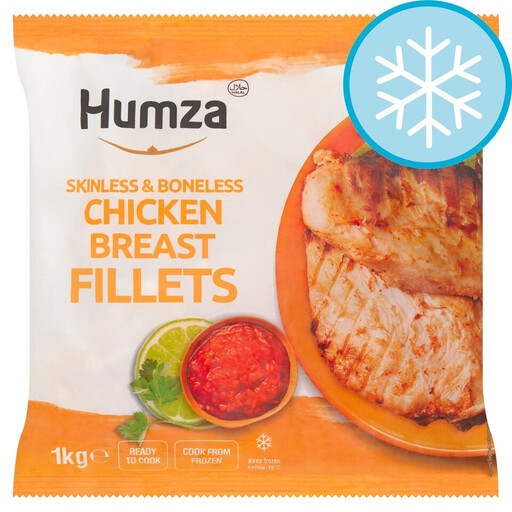 No image available
Plain breast fillets suit meals you want to season yourself. Plan for thorough fridge defrosting before cooking, and check the current pack for its cooking directions.
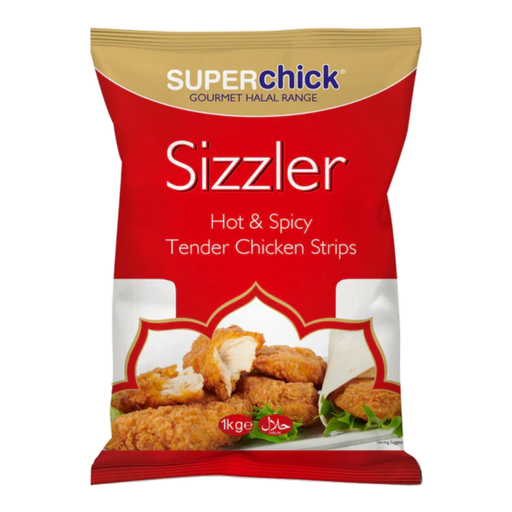 No image available
These coated, seasoned goujons suit a defined meal rather than recipes needing plain chicken. Their product information gives an oven method from frozen; check the current pack’s timing and its wheat, barley and egg allergen information before use.
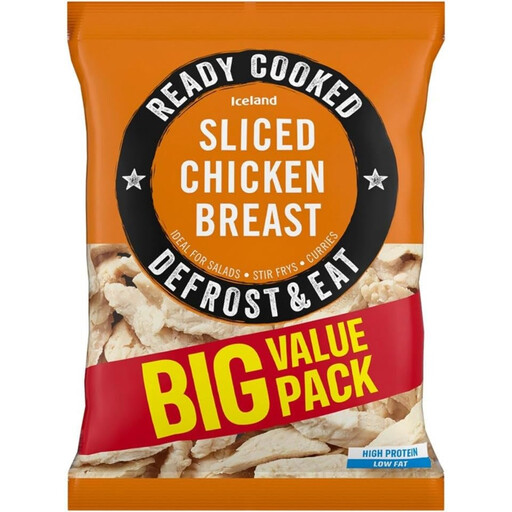 No image available
The sliced breast format offers a pre-cut ingredient for meals you season yourself. Check the current pack for its cooking method and follow its raw-poultry handling directions.
 No image available
Pre-cut strips may suit recipes that call for smaller pieces. Check the pack’s defrosting and cooking directions; its product information warns that some bones may remain, so inspect pieces carefully before serving.
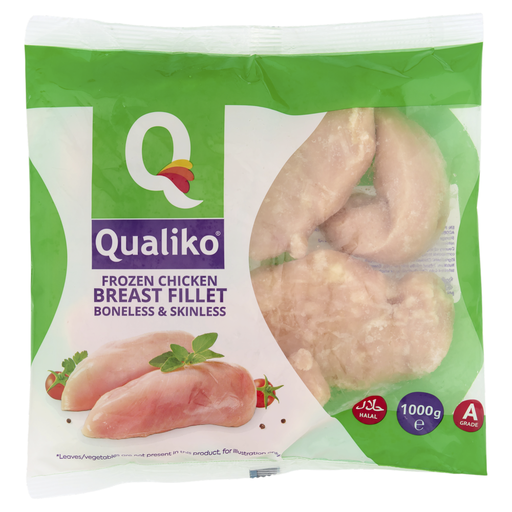 No image available
The fillet format suits recipes using breast meat, while the product information gives an oven route from frozen with a stated 50–55-minute cooking time. Check the current pack’s ingredient list before choosing it as a plain-chicken option.
Only if the specific features matter to your meals or purchasing priorities. Compare the cut, ingredients, welfare or origin claims and preparation directions on the exact pack; a premium description alone does not establish how convenient or versatile it will be.
Choose plain fillets or diced breast for recipes you want to season yourself. A breaded portion suits a more defined meal, but its coating changes the ingredients; check the current pack for allergens, particularly when anyone eating it needs to avoid one.
Follow the exact product’s instructions: cook from frozen only when its label provides that method. A defrost-first pack needs the stated defrosting step, while a cook-from-frozen pack still needs its full cooking time and thorough cooking.
Follow the pack’s storage, defrosting and cooking directions, and keep raw chicken separate from cooked or ready-to-eat food. Clean hands and utensils after handling raw poultry, and check the chicken is thoroughly cooked before serving.
Read the current pack’s ingredients and allergen information, particularly for coated or seasoned chicken. The Food Standards Agency says allergens present in prepacked food must be emphasised in its ingredient list; do not assume a prepared product has the same ingredients as a plain fillet.