
24/7 Customer Support

Free returns

Same-day & Next-day Delivery

Quality Guaranteed

Unlock Your Welcome Offers: FREE Delivery | Up to 80% OFF | Free 30-day JoyPlus trial
Download the APP
Choosing frozen chicken products in the UK is not simply a matter of selecting the largest bag or the most attractive food photograph. The right option depends on the cut, preparation level, storage requirements, allergen information and how you intend to cook it.
Whether you are planning weekday meals, stocking a halal freezer, preparing Asian recipes or organising a barbecue, checking the details below can help prevent disappointing texture, wasted food and unsuitable purchases.
A large pack may contain water, coating, sauce or seasoning as well as chicken. For prepared products, check the percentage of chicken in the ingredients list. For example, some coated products contain around 58–68% chicken, while a plain product listing “chicken 100%” offers a clearer comparison between pack weight and raw meat.
Water, salt and dextrose can also affect texture and cooking results. This does not automatically make a product unsuitable, but it is worth comparing labels rather than assuming all frozen chicken has the same composition.
Ready-to-eat chicken has already been cooked, but may still require reheating according to the packaging. Raw chicken wings, frozen chicken legs and plain fillets must be cooked thoroughly before serving. Korean fried chicken may be pre-cooked and frozen, while karaage pieces and chicken goujons can still require heating until piping hot throughout.
Always follow the pack instructions. Do not rely only on a browned coating, as the centre may remain cold.
Prepared chicken can contain wheat, barley, soya, egg, milk, fish or mustard through sauces, marinades and coatings. A product described as halal should still be checked for its stated certification and current packaging information. This is particularly important for halal households, children and guests with allergies.
Different cuts suit different meals:
For coated or sauced products, compare the ingredient order and quantitative ingredient declaration. A higher chicken percentage can help when you want a more substantial serving, while a heavily coated product may be preferable for sharing or snack-style meals.
Sauce also affects storage and reheating. Pre-sauced Korean fried chicken is convenient, but the coating may soften more quickly than plain fried pieces. If crispness matters, use an oven or air fryer and avoid overcrowding the basket.
Most frozen products should be kept at -18°C or below. Transport them home quickly, store them promptly and check that the packaging has not visibly thawed and refrozen. In general:
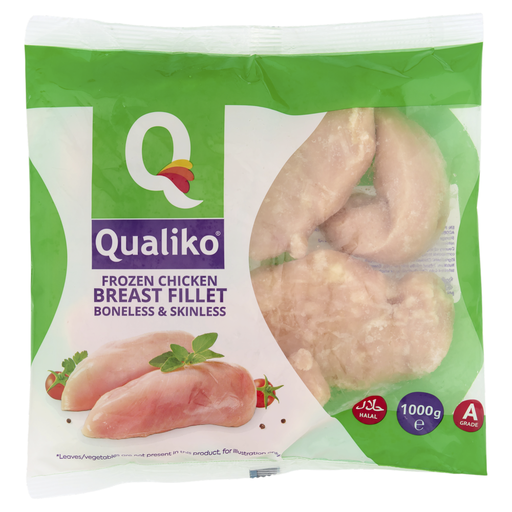
Why This Fits Their Persona: A practical option for shoppers who want boneless portions for weekday cooking, wraps, salads and batch meals.
The label lists boneless, skinless fillets and provides cooking guidance from frozen, making preparation expectations clearer.
1kg pack; halal dietary information supplied; approximately 21.7g protein per 100g as listed.
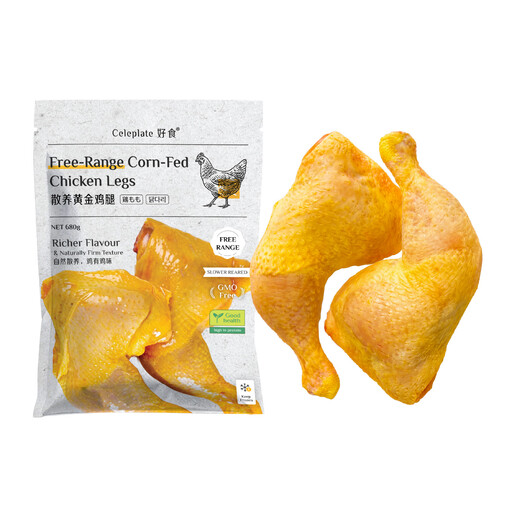
Why This Fits Their Persona: Suits cooks seeking a plain, bone-in cut for traditional Asian dishes, stock, braising and roasting.
It is listed as 100% chicken, with no coating or sauce to obscure the cut or alter the intended recipe.
680g pack; product of Spain; suitable for braising, boiling, grilling, steaming and roasting.
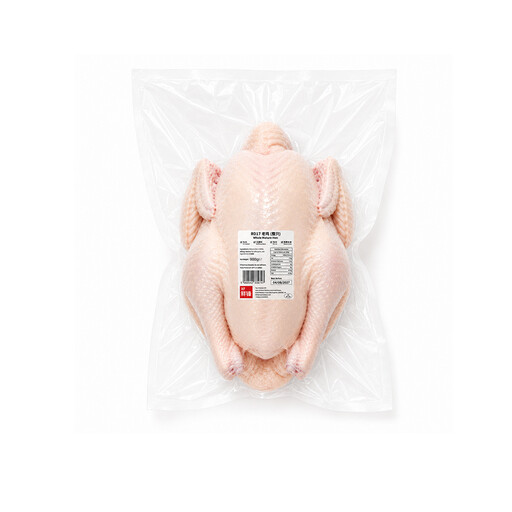
Why This Fits Their Persona: Designed for cooks who prepare soup, slow-cooked broths and larger shared meals rather than quick frying.
The product is clearly positioned for long cooking, so shoppers are less likely to expect a fast, tender fillet-style result.
900g whole chicken; 100% old chicken; suitable for soup and slow stewing.
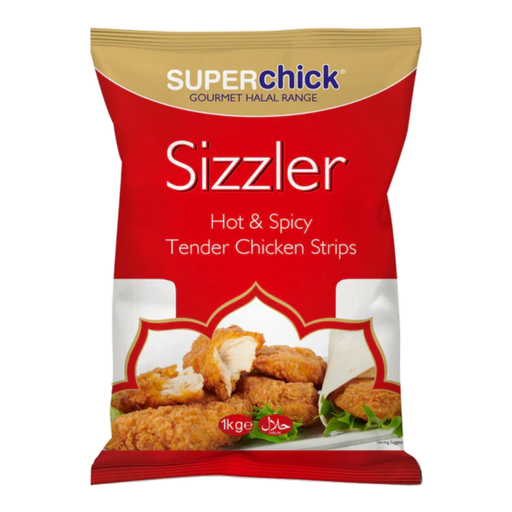
Why This Fits Their Persona: A convenient freezer option for wraps, lunchboxes, family dinners and sharing platters where quick portions matter.
The product specifies halal certification, chicken breast mini fillets and separate allergen information for wheat and egg.
1kg pack; oven or deep-fry instructions; listed as halal-certified by the Central Islamic Council of Thailand.
We have compiled a complete, real-time list of products that fully satisfy these strict selection criteria and UK safety regulations.
For barbecue hosting, compare raw chicken wings by pack size and approximate portion count. For example, a 400g pack is useful for a smaller meal, while a 1kg pack is more practical for a group. For air fryer cooking, choose pieces of similar size and leave space around them so hot air can circulate.
For Korean-style meals, products such as pre-sauced boneless fried chicken, bibigo Korean Style Fried Chicken or hamamatsu karaage offer different levels of preparation. Check whether the item is frozen or refrigerated, whether the sauce is supplied separately and whether reheating instructions refer to an oven, frying pan or air fryer.
For traditional Asian cooking, chicken feet, a stewing hen and plain chicken legs are more adaptable than heavily seasoned products. Their longer cooking times can suit soups, braises, hot pots and rice dishes.
Boneless chicken breast fillets, chicken goujons and pre-cooked fried chicken generally require less preparation than bone-in cuts. However, convenience depends on whether the product is raw, coated or ready to eat. Check the cooking time and allergen list before ordering.
Many coated products include air fryer instructions, including karaage and selected fried chicken products. Raw chicken wings and legs can also be air-fried, but cooking time depends on size and appliance capacity. Arrange pieces in a single layer and ensure the centre is fully cooked before serving.
Keep products at -18°C or below and follow the best-before or use-by information on the packaging. Once defrosted, store raw chicken covered in the refrigerator and use it within the stated guidance, commonly within 24 hours. Never refreeze a product after thawing unless the label explicitly permits it.