Protein-focused meal preppers
Plain breast fillets offer an adaptable base for salads, curries and batch cooking. Check the protein figure’s preparation basis and choose a pack format you can use within the product’s handling instructions.


Choose plain frozen chicken breast if you want a flexible protein base and control over added ingredients. Consider a premium fillet for a product-specific welfare or origin feature that matters to you, or a coated product for convenience where its cooking instructions fit your routine. Compare protein figures only when labels use the same preparation basis, and check ingredients, allergens and cooking directions for the exact product.
Plain breast fillets offer an adaptable base for salads, curries and batch cooking. Check the protein figure’s preparation basis and choose a pack format you can use within the product’s handling instructions.
Look for welfare certification, rearing information or chicken origin on the exact product. A claim attached to one fillet range does not establish the same conditions for every product from that retailer.
A product with explicit cook-from-frozen directions may fit a shorter cooking routine. Compare its chicken percentage, other ingredients, salt and allergens if you are choosing between plain fillets and a prepared format.
Start with the format you will use, then compare nutrition on a like-for-like basis and check whether the product’s preparation instructions fit your schedule.
| Priority | What to check | Your needs |
|---|---|---|
| Protein information | Read protein per 100g and whether it describes the product as sold or after cooking. Check the serving and cooking instructions before comparing portions. | I want a chicken portion that fits my meals, without treating raw and cooked protein figures as a direct ranking. |
| Ingredients | Check the chicken percentage, added water, coating ingredients and salt per 100g. Read the allergen declaration on prepared products. | For everyday recipes, I may prefer plain breast so I can choose the seasoning and other ingredients myself. |
| Welfare and origin | Look for certification or rearing claims on the named product. Check the stated origin of the chicken rather than assuming it from the retailer or packing location. | If I choose a premium fillet for welfare or British origin, I want that feature to apply to the pack I am buying. |
| Preparation | Follow the product’s thawing and cooking directions. GOV.UK guidance says frozen food must be fully defrosted before cooking unless the manufacturer instructs cooking from frozen; it advises defrosting frozen food in the fridge. | Some days I can plan for fridge defrosting; on others, I need a product with its own cook-from-frozen instructions. |
A product can use breast meat while also containing water, salt or coating. Sainsbury’s lists Taste Inc mini fillets as 90% chicken breast, while Birds Eye lists chicken breast as 75% of its Original Chicken Chargrills.
Read the full ingredient list, chicken percentage, nutrition panel and allergen declaration rather than relying on the name alone.
Protein stated per 100g as sold is not necessarily directly comparable with protein per 100g after cooking. The preparation basis matters when judging the figures.
Compare figures directly only when the labels use the same basis; otherwise use each figure to understand that individual product.
Sainsbury’s says its British Skinless Chicken Fillets are not suitable for cooking from frozen and require overnight fridge defrosting. Other products provide specific cook-from-frozen directions.
Check the exact pack before planning a meal. Follow its method and allow fridge-defrosting time when required.
A stated origin or welfare feature does not, by itself, establish a higher protein figure. Claims can also differ between products from the same retailer.
Identify whether welfare certification, origin, ingredients or preparation format matters to you, then check that feature on the named product.
These examples describe named product lines, not every frozen chicken product from each brand or retailer.
Oakham Gold frozen breast fillets are a plain-fillets option for shoppers checking product-specific welfare information.
Waitrose Frozen Chicken Breast Fillets suit shoppers seeking plain British fillets with a stated rearing approach.
British Skinless Chicken Fillets are a plain option for meals planned around defrosting.
Skinless Chicken Fillets provide a mini-fillet format for shoppers considering a cook-from-frozen option.
Original Chicken Chargrills are a coated alternative to plain breast fillets.
These options include plain-style breast fillets, sliced breast, a fillet with other listed ingredients and coated chicken products. Choose by the exact pack’s ingredients, nutrition basis and cooking directions rather than treating the formats as interchangeable.
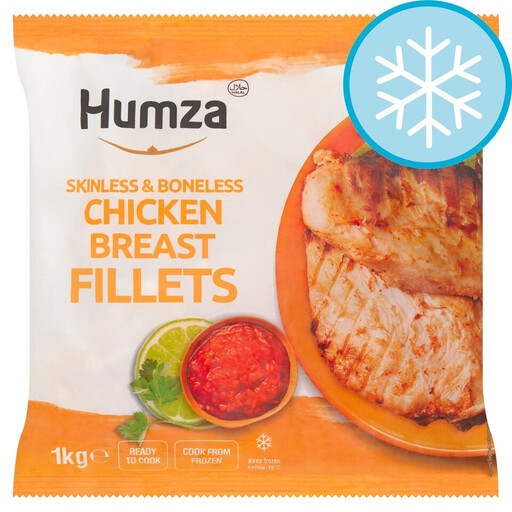 No image available
Skinless, boneless fillets offer a breast-chicken base for meals. Joybuy lists 24g protein per 100g; check the pack’s preparation basis before comparing that figure with other products, and follow its defrosting and cooking directions.
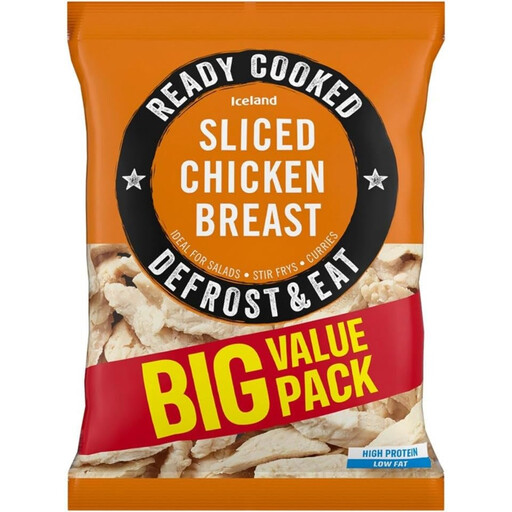 No image available
The sliced 2.1kg format may suit meals that use smaller portions across several recipes. Check the pack’s nutrition basis and its thawing and cooking directions before planning how to use it.
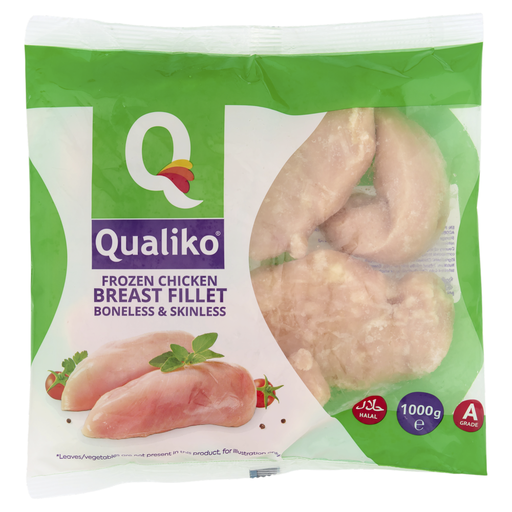 No image available
These frozen, boneless and skinless breast fillets offer another format for chicken-based meals. If cooking straight from frozen matters, confirm the directions on the pack; check its ingredient list and protein figure on the same basis as any alternative.
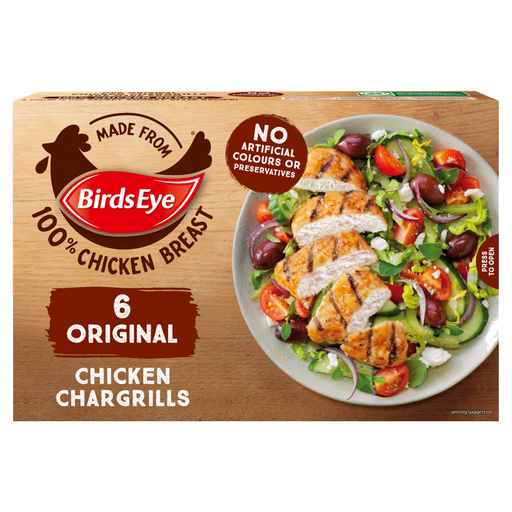 No image available
The coated Chargrills format is a prepared alternative to plain fillets. Birds Eye lists chicken breast as 75% of its Original Chicken Chargrills; check the current pack’s allergens and follow its specific cooking directions.
 No image available
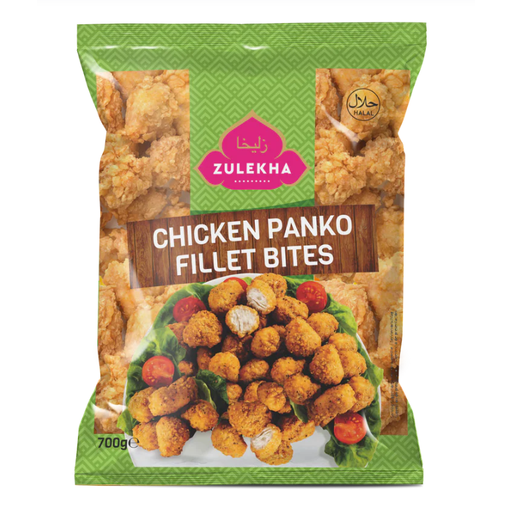
These panko-coated bites are a prepared chicken option rather than plain breast fillets. Check the current pack’s chicken percentage, allergens and cooking instructions before choosing them for a meal.
No. A premium product may have a welfare or sourcing feature you value, but check the exact nutrition panel and its preparation basis for protein comparisons. Ocado’s M&S Oakham Gold information lists 24.3g protein per 100g, while Sainsbury’s lists 29.4g per 100g for its British Skinless Chicken Fillets when oven-cooked as instructed; these are not a straightforward like-for-like ranking.
Choose plain fillets if you want to control the other ingredients and seasoning in your recipe. A coated product may suit a prepared-meal format, but check its chicken percentage, nutrition and allergens: Birds Eye lists chicken breast as 75% of Original Chicken Chargrills, rather than 100% of the finished product.
No. GOV.UK guidance says frozen food must be fully defrosted before cooking unless the manufacturer instructs cooking from frozen. Sainsbury’s British Skinless Chicken Fillets require defrosting before cooking; follow the directions on whichever product you choose.
Allow time to defrost it in the fridge unless the product specifically instructs you to cook it from frozen, in line with GOV.UK guidance. Follow the pack’s handling and cooking directions, including any instruction about when to cook it after defrosting.
Yes. Coatings can introduce ingredients that are not present in plain chicken breast. Check the current pack’s full ingredient and allergen information rather than relying on the chicken-breast wording on the front.