Students cooking several dinners
Plain chicken can be divided between meals such as curries, wraps and pasta bakes. Check the ingredients and whether the pieces can be taken from the bag in the portions you need.


Choose a plain frozen chicken pack of around 1 kg or more if it fits your freezer and you can use it across several meals. Compare the ingredient list and chicken content as well as pack weight; mini fillets may mean less chopping, while a pack that needs defrosting requires more advance planning than one labelled for cooking from frozen.
A larger bag is most useful when you can store it properly and plan more than one dinner around it.
Plain chicken can be divided between meals such as curries, wraps and pasta bakes. Check the ingredients and whether the pieces can be taken from the bag in the portions you need.
Check the bag’s dimensions against the space available before choosing a larger pack. Mini fillets may need less chopping, but cooking and defrosting directions still vary by product.
Look at the exact product label rather than assuming every line from a retailer has the same origin, ingredients or welfare claims. A product that requires defrosting also needs a place in the fridge and time before dinner.
Start with the amount you can store and use, then check the ingredients and cooking route for the exact pack.
| Priority | What to check | Your needs |
|---|---|---|
| Pack contents | Read the chicken percentage and other ingredients. Check whether the label mentions added water or ice glaze; pack weight alone does not describe the ingredient mix. | I want to know what is in the bag before planning how many dinners it will make. Sainsbury’s lists Taste Inc. mini fillets as 90% chicken breast, while ASDA lists its 1.2 kg breast fillets as 82% chicken breast. |
| Freezer space | Check the bag size, storage directions and whether you can remove the portions you need without thawing the rest. | Our shared freezer has limited room, so a larger bag only works if it fits and I can use it across several meals. |
| Meal preparation | Check whether the exact product allows cooking from frozen or requires refrigerator defrosting. Compare its appliance instructions and stated cooking time. | For an unplanned dinner, I need a cooking method that works with the equipment and time available. A defrost-first pack suits meals I can plan ahead. |
| Safe handling | Read the pack’s storage, defrosting and cooking directions. Keep raw chicken away from ready-to-eat food and clean hands, utensils and surfaces after handling it. | I need to prepare dinner safely in a shared kitchen, including when someone else will use the worktop afterwards. |
Frozen packs can contain added water or ice glaze. Tesco’s listing says its nominal 1 kg breast-fillet pack typically weighs 720 g excluding ice glaze; ingredient declarations also differ between products.
Read the current pack’s ingredient list and any ice-glaze information when comparing bags.
A family pack is difficult to use if there is no room to store it or you cannot take out suitable portions.
Check your available freezer space and plan how many meals you can make before choosing the pack size.
Retailer directions differ: some frozen fillets have cook-from-frozen instructions, while the Waitrose and Sainsbury’s British fillet listings call for defrosting first.
Check the exact pack’s appliance, defrosting and cooking directions before relying on it for a same-evening meal.
Handling raw chicken alongside ready-to-eat food can cause cross-contamination. A defrosted pack may also carry instructions not to refreeze it.
Do not wash raw chicken. Keep it separate from ready-to-eat food, clean hands and equipment after handling it, and follow the pack’s storage and refreezing directions.
These examples show why the exact frozen chicken line matters more than the retailer name alone.
Tesco’s 1 kg frozen chicken breast fillets provide an example of a pack with added ingredients and an ice-glaze note.
Sainsbury’s listings illustrate different formats and preparation requirements: Taste Inc. mini fillets and its own British breast fillets are not interchangeable choices.
ASDA’s 1.2 kg frozen breast-fillet bag is a larger format to consider when freezer room and several meals are planned.
Waitrose lists its frozen breast fillets as British chicken breast fillets.
M&S describes its Frozen Oakham Gold British Chicken Breast Fillets as sourced from RSPCA Assured M&S Select Farms; this is the retailer’s product claim.
These plain frozen chicken breast packs offer different sizes and cuts for planning several student dinners. Check each current pack’s ingredients, storage directions and cooking instructions before choosing.
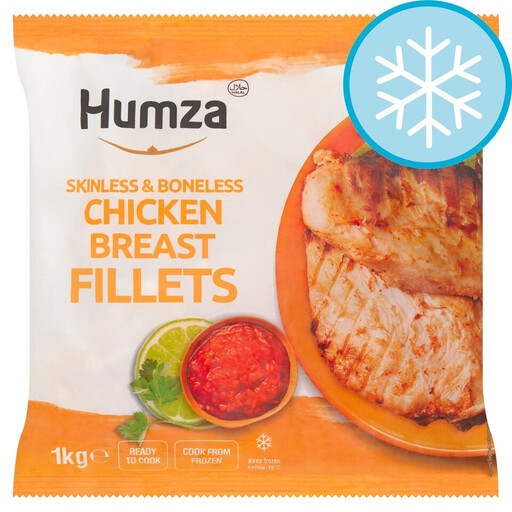 No image available
The 1 kg fillet pack is an option for several planned dinners. Allow time for refrigerator defrosting and follow the current pack’s cooking and storage directions.
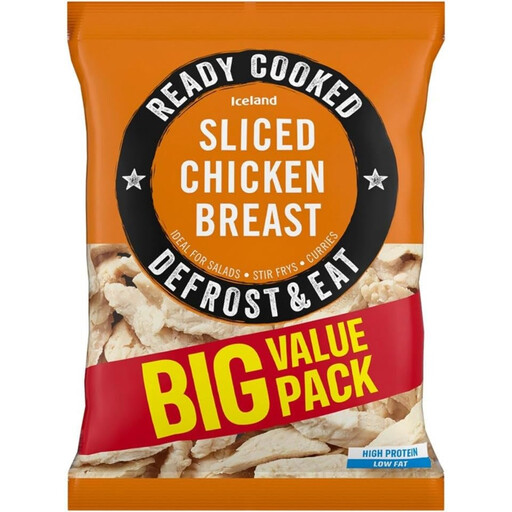 No image available
The sliced format may reduce chopping for several dinners. At 2.1 kg, check that the bag fits your freezer and read the current pack’s defrosting and cooking directions.
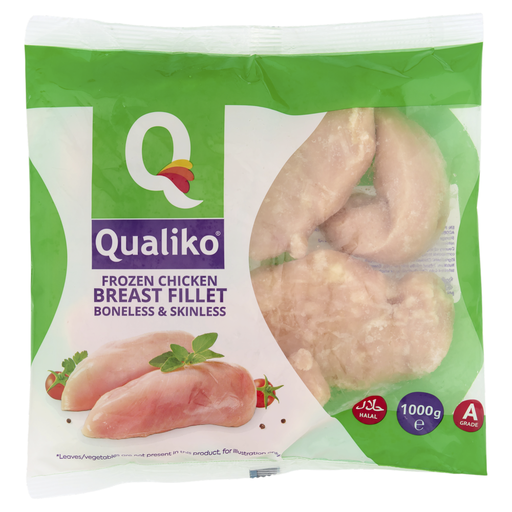 No image available
This 1 kg frozen fillet pack may suit meals planned around oven cooking. Check the current pack’s cooking directions and chicken-content declaration before comparing it with other fillets.
Not necessarily. Ingredient lists and ice-glaze information matter: Sainsbury’s lists Taste Inc. mini fillets as 90% chicken breast, and Tesco says its nominal 1 kg breast-fillet pack typically weighs 720 g excluding ice glaze. Check the current label for the product you choose.
No. Some retailer listings give cook-from-frozen directions, but Waitrose Frozen Chicken Breast Fillets and Sainsbury’s British Skinless Chicken Fillets require defrosting first. Follow the exact pack’s method, appliance guidance and cooking instructions.
Do not wash raw chicken. Keep it apart from ready-to-eat food, wash your hands after handling it, clean or separate utensils and worktops, and cook it thoroughly according to the pack. Follow its defrosting and storage directions as well.
Read the ingredients and allergen information, quantity and date marking, then check storage and preparation directions for the meal you have planned. UK Government food-labelling guidance identifies ingredients, allergens, quantity and date marking among the information to look for on prepacked food.