Hosts planning to carve a whole bird
Start with the whole-chicken format, then check the free-range wording and stated weight. Tesco, Waitrose and M&S describe free-range whole birds that can be frozen at home, subject to their pack instructions.


If you want a whole free-range chicken to carve for a Sunday roast, look for a clearly labelled whole bird; a chilled one marked suitable for home freezing lets you buy ahead. Frozen whole chickens and free-range frozen portions are also options, but neither description alone establishes that you are buying a free-range whole bird. Check the exact pack for its farming-method claim, weight and freezing instructions.
Start with the whole-chicken format, then check the free-range wording and stated weight. Tesco, Waitrose and M&S describe free-range whole birds that can be frozen at home, subject to their pack instructions.
Look for the free-range claim on the individual product rather than relying on its retailer or category. If an assurance scheme matters to you, check separately for its mark before following the pack’s freezing and thawing directions.
Frozen legs or prepared products may suit a portion-based meal. Check the cut, coating and cooking method: nuggets, Kievs or chicken legs will not provide a whole bird to carve.
Decide whether the meal calls for a whole bird or portions, then check the claims and preparation instructions on that particular product.
| Priority | What to check | Your needs |
|---|---|---|
| Roast format | Check for a whole chicken, its stated weight or servings, and roasting directions. Tesco describes a 1.9–2.3kg festive whole bird serving 5–6; Waitrose describes a whole bird with a typical weight of 1.62kg. | I want a bird to carve, rather than individual pieces. If I am planning for guests, the pack’s servings and actual weight matter more than the words “frozen chicken”. |
| Welfare claims | Read the exact free-range wording. Defra lists “free range” as a poultry-meat farming-method mark; RSPCA Assured is a separate welfare scheme. British origin or corn-fed wording does not establish either claim. | Free-range production matters to me, so I will check the individual pack. If I also want RSPCA Assured, I need to look for that separate mark. |
| Freezing ahead | For a chilled bird, confirm it is marked suitable for home freezing and follow its date-mark, refrigerator-thawing and post-thaw instructions. Waitrose and M&S describe whole birds suitable for freezing. | I am shopping before roast day and need enough time to freeze and thaw the bird as its label directs. |
| Preparation | Follow the product’s cooking directions and avoid transferring raw-poultry juices to ready-to-eat food. Food Standards Agency evidence says heating chicken all the way through to 70°C or above reduces Campylobacter within minutes. | I need to allow for thawing and roasting a whole bird; instructions for frozen portions are not a substitute for whole-chicken directions. |
Birds Eye’s frozen range includes prepared formats, while Ocado’s frozen category includes Kievs and wings. Those formats do not provide a plain whole bird to carve.
Choose the cut and format first. If free range is essential, check that the claim applies to the whole bird itself.
British origin, corn-fed and slow-grown describe different product characteristics. Defra’s free-range farming-method mark and the RSPCA Assured scheme are distinct claims.
Read the wording on the individual product and look separately for any assurance mark you want.
A chilled bird intended for home freezing needs to be frozen and thawed according to its own label. Freezing does not replace thorough cooking.
Check the date mark before freezing, allow time to thaw as directed and follow the pack’s post-thaw and cooking instructions.
A typical weight may differ from the bird you receive, which matters when planning servings and cooking time.
Check the actual pack weight and use the cooking guidance for that bird.
These ranges illustrate different chicken formats and pack claims; check the individual product when choosing your roast.
Birds Eye describes a frozen chicken range centred on prepared products.
Tesco describes a Finest free-range whole chicken sold fresh for roasting.
Sainsbury's describes a fresh British free-range Norfolk Black corn-fed whole chicken.
M&S describes a British free-range corn-fed whole chicken suitable for freezing.
Waitrose describes its No.1 British Free Range Whole Chicken as a Sunday-roast bird suitable for home freezing.
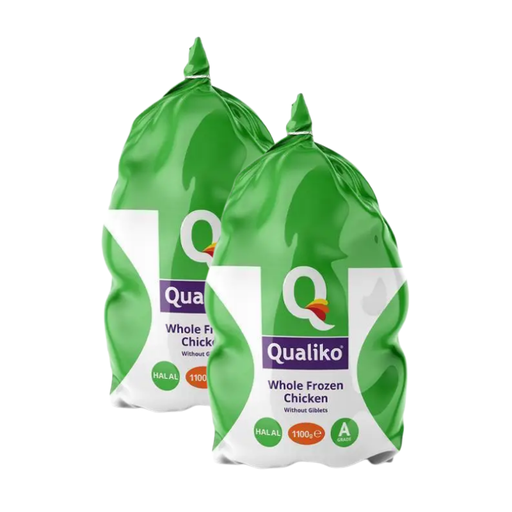
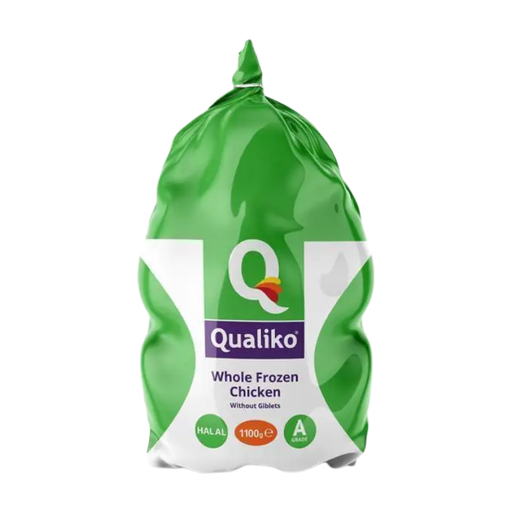
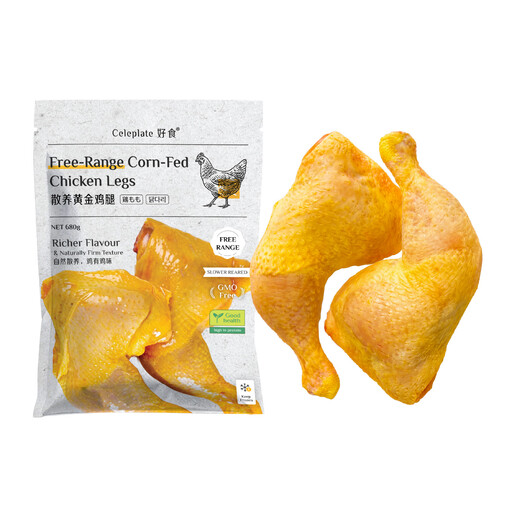
These options include frozen whole chickens for roasting and free-range chicken legs for a portion-based roast. Check the pack before treating either whole-chicken option as free range; the legs are not a whole-bird centrepiece.
 No image available
Two whole birds offer a carving format for roast planning. The product information describes roasting and frozen-storage instructions; follow the pack’s handling directions and check its free-range wording if that claim matters to you.
 No image available
This single whole bird offers a roasting format rather than portions. The product information describes frozen storage and post-thaw handling; follow those directions and check the pack for a free-range claim if required.
 No image available
These legs suit a portion-based roast, not a whole bird to carve. The listing claims free-range chicken and includes roasting among its cooking methods; check the pack wording and follow its preparation instructions.
Yes, if the product is both a whole bird suitable for roasting and explicitly labelled free range. A frozen whole chicken without that claim does not establish free-range production, while free-range frozen legs do not provide a whole bird. Alternatively, choose a labelled free-range chilled whole chicken that permits home freezing.
No. Defra lists “free range” as a poultry-meat farming-method mark, while RSPCA Assured is a separate welfare scheme. Check the individual pack if you want both claims.
Yes, when that product is marked suitable for home freezing and you follow its date-mark and handling directions. For example, M&S describes a suitable whole chicken and instructs shoppers to defrost it in a refrigerator and eat it within 24 hours once defrosted. Use the directions on the bird you buy.
Thaw and cook it according to the pack, allowing time for the whole bird to defrost thoroughly where directed. Keep raw poultry away from ready-to-eat food and cook it all the way through. Food Standards Agency evidence says heating chicken throughout to 70°C or above reduces Campylobacter within minutes.
Compare the product’s stated servings with your guest count, then check the actual pack weight when available. Tesco describes a 1.9–2.3kg festive free-range whole chicken serving 5–6; a different bird or variable-weight pack may not match that serving guide.