Small-household roast planners
Tesco lists an 800g boneless chicken breast joint with cook-from-frozen instructions. It suits a meal where a carveable centrepiece matters more than having separate chicken portions.


For a small Sunday roast that you want to carve, Tesco Simply Chicken Breast Joint 800G offers a boneless joint with a stated cook-from-frozen method. If separate portions suit the meal better, Waitrose Essential Frozen Chicken Thighs 1.25kg offer a tray-roast format instead; you will need to plan the preparation rather than treat the pack like a carving joint.
The choice starts with how you want to serve the chicken: carved from a joint or as individual pieces.
Tesco lists an 800g boneless chicken breast joint with cook-from-frozen instructions. It suits a meal where a carveable centrepiece matters more than having separate chicken portions.
Waitrose lists Essential Frozen Chicken Thighs in a 1.25kg pack. Thighs allow individual portions alongside roast vegetables, but they will not carve like a joint.
Tesco and M&S list frozen cuts including breast fillets and thighs. These offer different ways to portion a meal, so decide whether the Sunday roast needs a joint before choosing a general-purpose cut.
Settle the serving format first, then check the pack’s preparation and ingredient instructions before making space for it in the freezer.
| Priority | What to check | Your needs |
|---|---|---|
| Serving format | Check whether the pack contains a joint, a whole bird or separate cuts. Tesco describes its 800g breast product as a boneless joint; Waitrose lists its 1.25kg product as chicken thighs. | I want to carve chicken at the table, so a joint matters. If I am serving individual portions, thighs can form the basis of a tray roast. |
| Frozen preparation | Look for instructions for the exact product and whether they permit cooking from frozen. Tesco states that its Simply Chicken Breast Joint can be cooked from frozen; do not apply that instruction to a different pack. | Cooking straight from the freezer would simplify my roast-day plan. Otherwise, I need to allow for the preparation stated on the pack. |
| Pack and portions | Compare the stated pack weight with the way the chicken will be served: the Tesco joint is 800g, while the Waitrose thigh pack is 1.25kg. A joint and a pack of pieces are not interchangeable serving formats. | For a small carved roast, I would choose by the joint’s size. For a shared tray, separate pieces make it easier to plan individual portions. |
| Ingredients | Read the ingredient and allergen information on prepared products. Tesco describes its joint as basted in butter, so it should not be treated as plain, unseasoned chicken. | I may want to season the chicken myself, or need to check the label for ingredients that matter to my household. |
| Thorough cooking | Follow the product’s cooking directions and check the thickest part. The Food Standards Agency’s MyHACCP guidance gives 70°C for 2 minutes as an example critical limit for controlling Salmonella in chicken pieces. | With pieces of different sizes, I want a way to check they are cooked through rather than relying on oven time alone. |
Fillets, thighs and drumsticks are separate pieces; they will not give the same presentation as a roast-shaped joint.
If carving is central to the meal, choose a product sold as a joint or whole bird. Choose pieces when a tray roast is the plan.
A larger pack of raw pieces may serve a different purpose from a smaller prepared joint. Weight alone does not tell you how the chicken will be portioned or presented.
Check the pack weight alongside its format and any stated cooked yield, then plan the number of portions you need.
Freezer storage does not replace cooking. The Food Standards Agency identifies cooking chicken all the way through as an important control for Campylobacter.
Follow the pack directions and check the thickest part; use a food thermometer where practical.
Tesco describes its frozen breast joint as basted in butter, so it differs from an unseasoned raw cut.
Read the current ingredient and allergen label if you need to avoid particular ingredients or want to control the seasoning yourself.
These retailer ranges illustrate the difference between a prepared joint and frozen cuts; the format still needs checking on each product page.
Tesco lists a frozen boneless chicken breast joint alongside frozen chicken cuts.
Waitrose lists frozen chicken thighs for meals built around separate portions.
The M&S frozen chicken range includes thighs, breast fillets and mini fillets.
These Joybuy products are chicken cuts for a roast-style meal served in portions, rather than the Tesco carving joint discussed above. Check each pack’s preparation directions before deciding when to cook it.
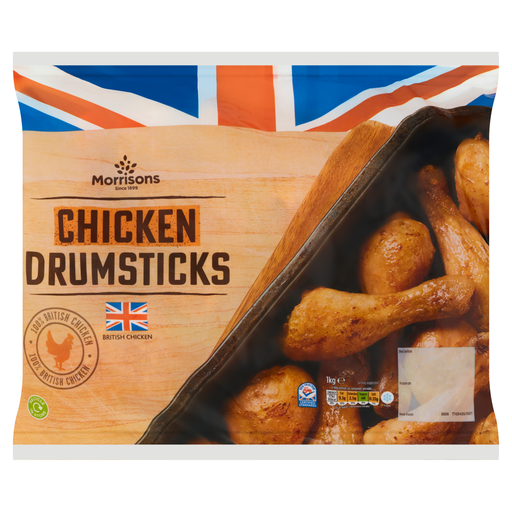 Image unavailable
Separate drumsticks suit a roast served in portions rather than carved from a joint. Plan for refrigerator defrosting before cooking, following the product’s directions; do not treat its oven method as a cook-from-frozen instruction.
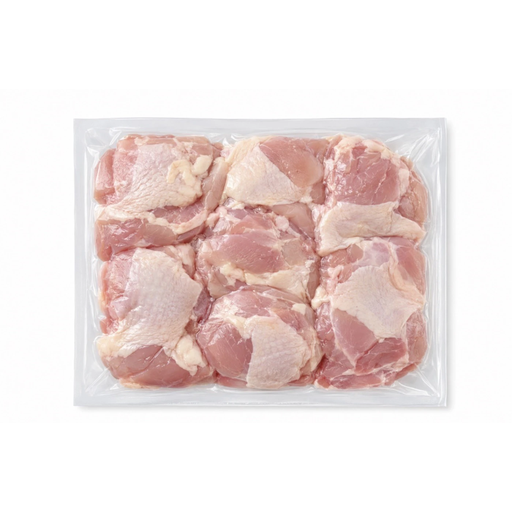 Image unavailable
Boneless thighs offer separate pieces for a tray roast, not a joint to carve. For this 2.5 KG pack, check the preparation directions and portion out what the meal requires.
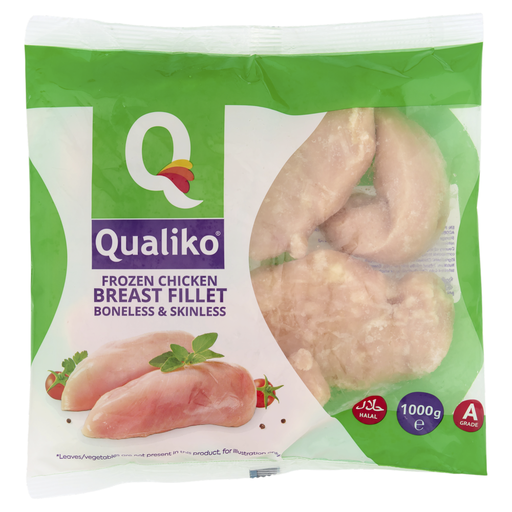 Image unavailable
These boneless, skinless fillets can be served as individual pieces for an oven-cooked meal, but they are not a carving joint. Follow the cooking directions for this pack and check its ingredient label if you want an unseasoned product.
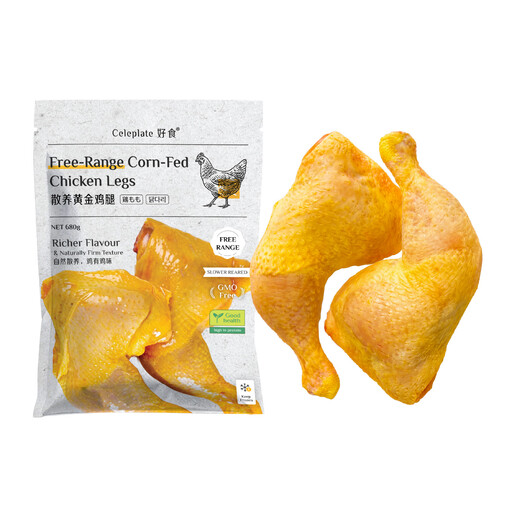 Image unavailable
Chicken legs suit a roast served as individual pieces rather than a carved centrepiece. Check the pack for its cooking method, including whether thawing is required, before setting the oven time.
Yes. Tesco gives a cook-from-frozen time of 2 hours 10 minutes for its Simply Chicken Breast Joint 800G. Follow the full instructions on your pack, including its standing and thorough-cooking checks, rather than applying that time to another product.
Not in the same way as a joint. Waitrose Essential Frozen Chicken Thighs 1.25kg are separate pieces, so choose them for a tray roast or individual portions rather than a centrepiece to carve.
The Food Standards Agency’s MyHACCP guidance gives 70°C for 2 minutes as an example critical limit for controlling Salmonella in chicken pieces. Follow the pack’s cooking instructions and, if using a food thermometer, check the thickest part.
No. Frozen raw chicken still needs thorough cooking. The Food Standards Agency identifies cooking chicken all the way through as an important control for Campylobacter; use the product’s directions and check that the chicken is cooked through before serving.