Carers planning freezer space
If frozen chicken is a regular dinner ingredient, compare pack sizes with the space available and the quantity your household will use. Check the chicken percentage and salt on each product’s label too.


Choose a frozen chicken pack size your household can use, then compare the exact product’s chicken percentage, salt per 100g and allergen label rather than deciding by pack size alone. For children aged 1 to 3, the NHS recommends no more than 2g of salt a day; follow the pack’s cooking directions, serve manageable pieces and supervise eating.
If frozen chicken is a regular dinner ingredient, compare pack sizes with the space available and the quantity your household will use. Check the chicken percentage and salt on each product’s label too.
The NHS recommends no more than 2g of salt a day for this age group. Consider the amount served and the salt in the rest of the day’s food, rather than treating a pack’s adult serving suggestion as a toddler portion.
Check the current pack for relevant allergens, including wheat or egg where applicable. Healthier Together NHS advises preparing food in manageable pieces, seating toddlers while they eat and staying with them.
Start with a pack size you can store and use, then compare the ingredient list, nutrition panel and cooking directions for the exact product.
| Priority | What to check | Your needs |
|---|---|---|
| Pack size | Check the net weight and, where stated, the number of pieces. Consider freezer space and how much the household will use. | A smaller pack fits the space I have, or a larger pack suits the number of dinners I plan to make. |
| Chicken content | Read the chicken percentage in the ingredient list for the finished product. Do not mistake a statement about the type of meat used for the proportion of chicken in a coated nugget. | I want to know how much of each product is chicken, rather than relying on its front-of-pack description. |
| Salt | Compare salt per 100g on the same basis and consider the amount actually served. The NHS recommends no more than 2g of salt a day for children aged 1 to 3. | The salt in this dinner needs to be considered alongside the child’s other meals and accompaniments. |
| Cooking | Check whether the product contains raw poultry and follow its own cooking directions. Cook it thoroughly and check the centre, not just the colour of the coating. | I need cooking directions that work with my equipment and enough time to prepare the chicken fully. |
| Allergens and serving | Read the current allergen declaration and any bone warning. Healthier Together NHS advises manageable pieces, seated eating and supervision. | I need to check the ingredients relevant to my household and prepare pieces the toddler can manage while I stay with them. |
A statement about chicken breast can describe the meat used without describing how much of the finished, coated product is chicken. Tesco lists chicken breast as 51% of the finished Birds Eye 44 Breaded Chicken Nuggets product.
Compare the ingredient percentages on the exact packs, alongside their nutrition panels.
A nugget count or adult reference-intake percentage is not a toddler serving instruction. The NHS recommends no more than 2g of salt a day for children aged 1 to 3.
Decide on an age-appropriate amount and consider the salt in sauces, sides and other meals that day.
Coated chicken can contain raw poultry; Marks & Spencer identifies its Breaded Chicken Nuggets 1kg as a raw-poultry product. A golden exterior does not establish that the centre is cooked.
Follow the exact pack’s cooking directions and check that the chicken is thoroughly cooked before serving.
A ready-shaped piece does not remove the need to prepare food for the child and supervise eating. Healthier Together NHS advises having toddlers sit still and staying with them.
Cut food into manageable pieces or batons as appropriate, and check the pack for bone and allergen warnings.
These label details relate to the named products, not every frozen chicken product from each brand or retailer.
Sainsbury’s lists a 1kg Chicken Breast Nuggets pack and a 320g Stamford Street Co. nugget pack with different chicken percentages.
Tesco Breaded Chicken Nuggets 30 Pack 450g provides a smaller-pack example for comparing freezer space and label details.
The Birds Eye 44 Breaded Chicken Nuggets 695g listing at Tesco is a specific branded nugget example, distinct from the other Birds Eye formats below.
Marks & Spencer lists a 1kg Breaded Chicken Nuggets pack with 53% chicken breast.
Waitrose Frozen Breaded Chicken Breast Chunks 300g offers a chunk format rather than formed nuggets.
These packs cover nuggets, tenders, dippers and breaded chicken for a toddler dinner. Compare their current labels and choose a pack size and serving format your household can use.
 No image available
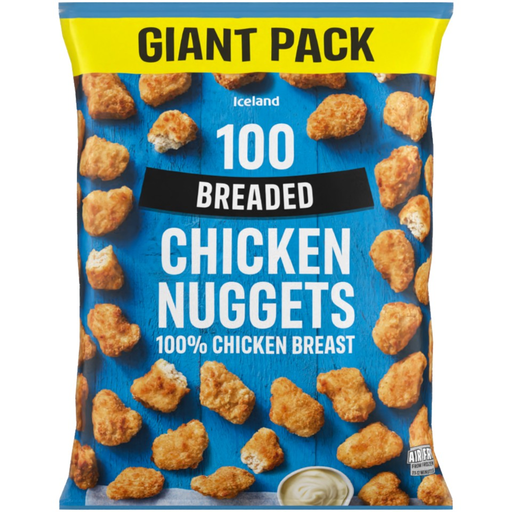
Consider this larger pack if you have freezer space and expect to use 100 nuggets across multiple meals. Check the current pack for allergens, bone warnings and cooking directions; serve a manageable amount and supervise eating.
 No image available
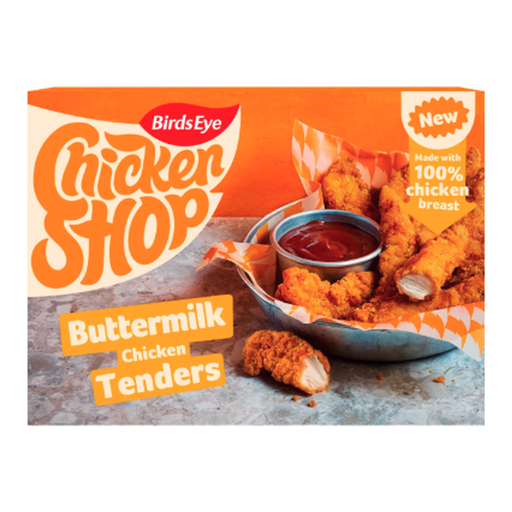
If you are considering tenders rather than nuggets, plan how to cut the cooked pieces into manageable servings. Check the current 300g pack for relevant allergens, bone warnings and cooking directions before serving.
 No image available
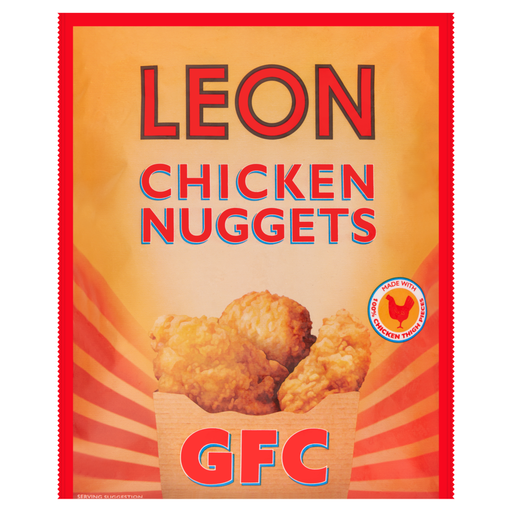
For a household checking gluten or wheat declarations, read the current label of this 300g nugget pack, including its full allergen information. Follow the pack’s cooking instructions and prepare a manageable serving.
 No image available
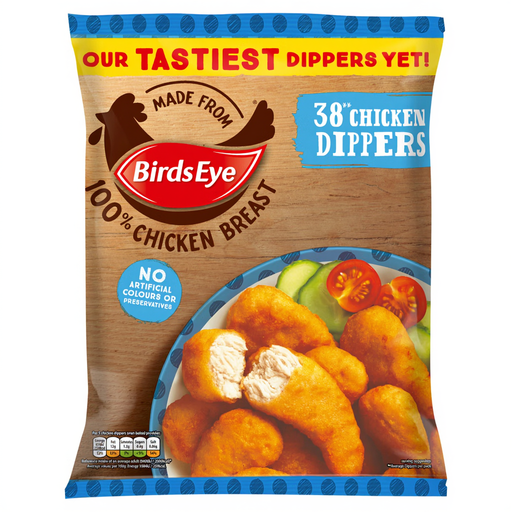
The 697g dipper pack offers a different shape from nuggets, but shape alone does not determine a toddler serving. Check its current allergen declaration and cooking directions, cook thoroughly and supervise eating.
 No image available
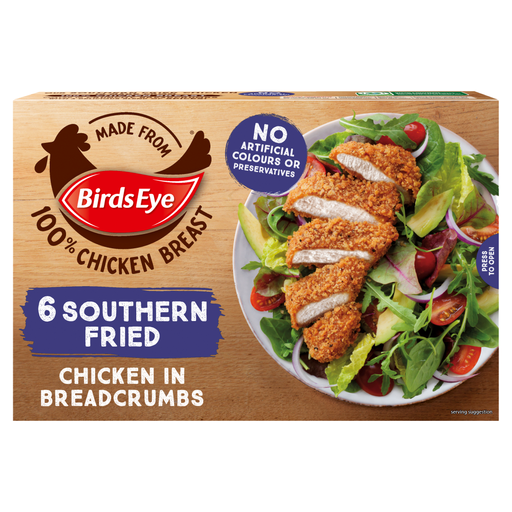
If a breaded fillet suits the household meal, cut the cooked chicken into manageable pieces for the toddler rather than using a whole fillet as a serving guide. Check the 540g pack’s allergens and cooking directions, and supervise eating.
It can be one component of a meal; consider the amount served and the other foods offered that day. The NHS recommends no more than 2g of salt a day for children aged 1 to 3, so check the exact product’s salt label rather than using an adult serving suggestion as toddler guidance.
Follow the directions on the exact pack and cook the chicken thoroughly before serving. If it contains raw poultry, do not rely on the coating’s colour to judge the centre; keep raw and cooked foods separate and wash your hands after handling raw chicken.
Read the current pack’s ingredient and allergen declarations for the ingredients relevant to your household, including wheat, egg or milk where applicable. Check the label of the product you actually buy rather than assuming that different nuggets or tenders share a recipe.
Yes, prepare pieces the toddler can manage and stay with them while they eat. Healthier Together NHS advises cutting food into small pieces or batons rather than balls and encouraging toddlers to sit still during meals.