Retirees planning regular meals
If chicken will feature in several meals, compare the amount of chicken in each format with how much of the pack you can realistically use. A larger bag is less useful if portions are difficult to separate or store.


For regular home cooking, plain frozen chicken is a useful starting point if you can prepare raw poultry and use the pack without waste. Coated products offer a different preparation format, but their weight includes coating; if welfare credentials matter to you, assess those claims separately from chicken content, cooking instructions and portion size.
If chicken will feature in several meals, compare the amount of chicken in each format with how much of the pack you can realistically use. A larger bag is less useful if portions are difficult to separate or store.
Check whether you can remove just the portions needed and follow the pack's storage instructions for the rest. Plain raw fillets allow different meal uses, but they need thorough cooking and careful handling.
Read chicken percentage, ingredients and nutrition per 100g on the exact pack. Plain and coated products can differ substantially, and nutrition figures should be compared on the same preparation basis.
Start with the format you can prepare and portion, then compare chicken content, ingredients and the nutrition information on packs that meet those needs.
| Priority | What to check | Your needs |
|---|---|---|
| Usable portions | Check pack weight, stated servings and whether pieces can be removed separately. Read the chicken percentage where stated: water or coating can also contribute to pack weight. | I want to use the pack across several meals without having more chicken thawed than I need. |
| Chicken format | Check whether the product is plain, coated or battered. Compare ingredient lists rather than assuming similar-looking packs contain the same proportion of chicken. | For meals I season myself, plain pieces give me that choice; for a prepared format, I need to be comfortable with the coating and its ingredients. |
| Nutrition and allergens | Compare protein and salt per 100g on the same preparation basis. Check the exact allergen declaration, particularly for coated products. | If I am comparing labels or avoiding an ingredient, the details on this particular pack matter more than the product name. |
| Preparation and storage | Check whether the chicken is raw or previously cooked, whether its instructions permit cooking from frozen, and the stated method and time. Follow its defrosting and refreezing directions. | I need a method I can manage with my equipment and enough freezer space for the portions I will keep. |
Pack weight is not necessarily chicken weight. Tesco lists 90% chicken breast in its cited plain fillets, ASDA lists 87% in its plain fillets, and ASDA lists 65% chicken mini fillet in its cited battered product.
Read the chicken percentage and ingredients, then consider how many meals you can make from the pack.
Coating, added water or portions you cannot use can make a large pack less useful for your meals.
Cooking times vary. Tesco specifies 50 minutes in the oven from frozen for its cited raw fillets; ASDA specifies 40 to 45 minutes for its cited raw fillets.
Check whether the exact product is raw or previously cooked, then follow its cooking instructions and raw-poultry handling directions.
ASDA lists wheat, egg, milk and mustard in its cited battered mini fillets, alongside 0.6g salt per 100g. Other flavours or products may have different declarations.
Read the allergen statement, ingredients and nutrition panel each time you change product or flavour.
Waitrose describes its frozen chicken range using Better Chicken Commitment language, while M&S describes its Oakham Gold fillets as RSPCA Assured and slower reared. These are retailer statements about sourcing, not measures of portion suitability or nutrition.
If those credentials matter to you, consider them alongside the exact product's ingredients, pack size and cooking instructions.
These examples show why the details of an individual product matter more than a retailer name alone.
Tesco's cited 1kg frozen breast-fillet pack is a plain-fillets reference for comparing ingredients and preparation.
Sainsbury's lists plain fillets and coated chicken in its frozen range, allowing shoppers to consider different meal formats.
ASDA's cited 1kg frozen breast fillets provide a plain option with stated ingredients, servings and oven instructions.
M&S describes its frozen Oakham Gold British Chicken Breast Fillets as an option for shoppers interested in stated sourcing and welfare credentials.
Waitrose offers frozen breast fillets and describes its chicken range using Better Chicken Commitment welfare language.
These options include plain chicken for home cooking and coated products for a different preparation routine. Compare the current pack details against the portions and cooking method you need.
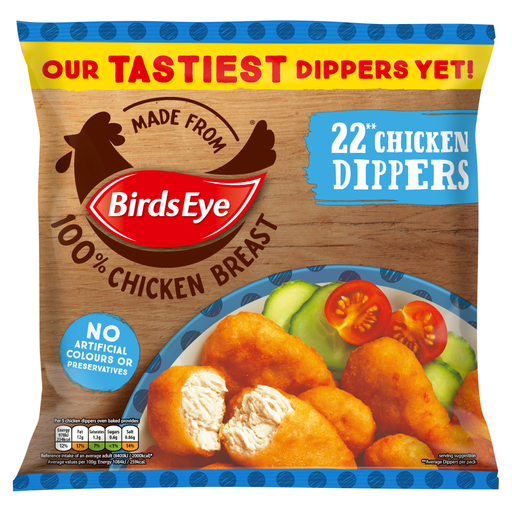 Image unavailable
A coated option if you want to prepare some pieces rather than plain fillets for a recipe. Check the pack's allergen declaration, cooking directions and whether 403g suits your planned portions.
 Image unavailable
The 500g strips offer a smaller pack for meals using sliced chicken. Check the current label for ingredients and whether the strips are raw or previously cooked, then follow its preparation instructions.
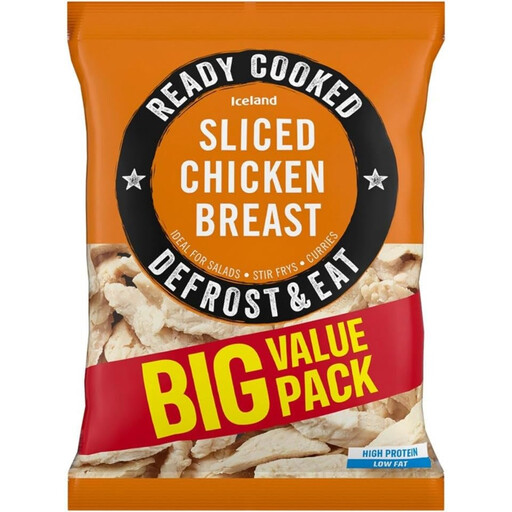 Image unavailable
This larger pack may suit meals planned across several days if you have room to store and use it. The listing identifies the chicken as raw; check how to separate portions and follow the pack's cooking and raw-poultry handling directions.
 Image unavailable
A seasoned, breadcrumb-coated option rather than plain fillets. Check the current allergen declaration, salt figure and cooking directions before choosing it for a meal.
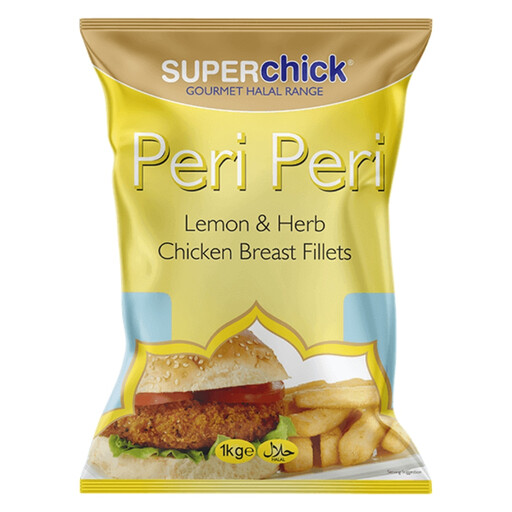 Image unavailable
Consider this seasoned, coated format if it fits the meals you plan to make. Check the pack's reheating directions, gluten declaration and salt figure, as well as whether you can use the 1KG pack in suitable portions.
Check the stated weight, chicken percentage and whether you can use the portions without waste. The cited Tesco plain fillets are 90% chicken breast, ASDA's plain fillets are 87%, and ASDA's battered mini fillets are 65% chicken mini fillet; the packs are not interchangeable measures of chicken content.
Yes, but check that the per-100g figures use the same preparation basis before treating them as a direct comparison. Tesco lists 28.3g protein and 0.26g salt per 100g for its plain fillets when cooked according to instructions; ASDA lists 15.2g protein and 0.6g salt per 100g for its cited battered mini fillets.
Follow the instructions for the exact product rather than assuming every pack can be cooked from frozen. Tesco specifies 50 minutes in the oven from frozen for its cited raw fillets, while ASDA specifies 40 to 45 minutes for its cited raw fillets and says to check they are piping hot before serving.
Follow the exact pack's directions. The cited Tesco and M&S products both state not to refreeze after thawing; their refrigerator defrosting instructions also differ, so do not transfer the timing from one pack to another.
Read the allergen declaration on the exact pack, including when changing flavour or retailer. ASDA lists wheat, egg, milk and mustard in its cited battered mini fillets; a plain-sounding product name is not a substitute for checking ingredients.