
24/7 Customer Support

Free returns

Same-day & Next-day Delivery

Quality Guaranteed

Unlock Your Welcome Offers: FREE Delivery | Up to 80% OFF | Free 30-day JoyPlus trial
Download the APP
Frozen Chinese dumplings can turn a busy weekday into a satisfying meal in minutes. However, choosing between pork dumplings, Chinese wontons and wider Asian frozen food options is not simply a case of picking the largest bag or the most traditional-looking packaging. Fillings, allergens, cooking instructions and storage requirements can vary considerably.
This guide from the Joybuy Product Recommendation Officer helps UK households compare frozen Chinese dumplings objectively, avoid common purchasing traps and select a pack that suits their cooking habits.
The terms are often used interchangeably in online shops, but they can describe different styles. Dumplings usually have a thicker, chewier wrapper and may be boiled, steamed or pan-fried. Wontons generally have thinner wrappers and are commonly served in soup, although some can also be stir-fried or served with sauce.
If you want dumplings for boiling, steaming or pan-frying, check the cooking guidance rather than relying on the product title alone.
Words such as “traditional”, “restaurant-style” or “authentic Asian dumplings” do not tell you how much pork, cabbage or seafood is actually included. Look for the quantitative ingredient declaration, known as QUID, where available. For example, FRESHASIA Pork & Chinese Leaf Dumplings lists pork at 30% and cabbage at 15%, while KUNG FU Pork & Chive Dumplings lists pork at 25% and chive at 8%.
These figures do not determine personal taste, but they give a more useful comparison than promotional wording alone.
Most frozen Chinese dumplings contain wheat or gluten, and many also include soya and sesame. Products with prawn or shrimp may additionally contain crustaceans, while some recipes include egg, milk, celery, fish or molluscs.
Frozen products also need reliable freezer space. Several products in this selection state that they should be kept at -18°C or below and must not be refrozen after thawing. Always check the current packaging, particularly if you have a food allergy or intolerance.
Pork and vegetable dumplings are a practical starting point for families because familiar vegetables such as Chinese leaf, cabbage, corn or spring onion provide a milder flavour. Pork and chive dumplings have a more aromatic profile, while pork and coriander dumplings add a fresh, herbal note.
For a sharper taste, Chinese sauerkraut provides tanginess. Products containing Sichuan pepper oil or chilli seasoning may offer a noticeable spicy or numbing character, so they may suit adventurous diners more than younger children.
Seafood combinations also need careful checking. Some three-delicacies dumplings combine pork, shrimp, black fungus and mushrooms, while pork wontons may include prawn, egg and shiitake mushroom.
Many family-style dumplings are supplied in 400g packs, with other options ranging from 312g to 560g. A 400g bag can suit a shared meal, but actual portions depend on whether you serve the dumplings with soup, noodles, vegetables or dipping sauce.
Smaller 140g or 180g wonton packs may be more suitable for one person, a light lunch or trying a new flavour without committing to a larger quantity. Larger packs can make sense for families and students who want several portions available in the freezer.
Check whether the product can be cooked directly from frozen. KUNG FU Pork & Chive Dumplings, for example, provides guidance for boiling, steaming and pan-frying from frozen. Other products may recommend defrosting for a particular method.
Typical instructions in this category include:
Frozen raw dumplings must be cooked thoroughly before eating. Do not use appearance alone to judge safety; follow the pack instructions and ensure the filling is piping hot.

Why This Fits Their Persona: The familiar pork and cabbage combination offers an accessible introduction to frozen Chinese dumplings, with a 400g pack suitable for a quick shared meal.
The ingredient declaration identifies pork at 30% and cabbage at 15%, making the filling easier to compare than relying on front-of-pack claims.
400g pack; suitable for boiling, steaming and pan-frying; contains wheat, soya and sesame.
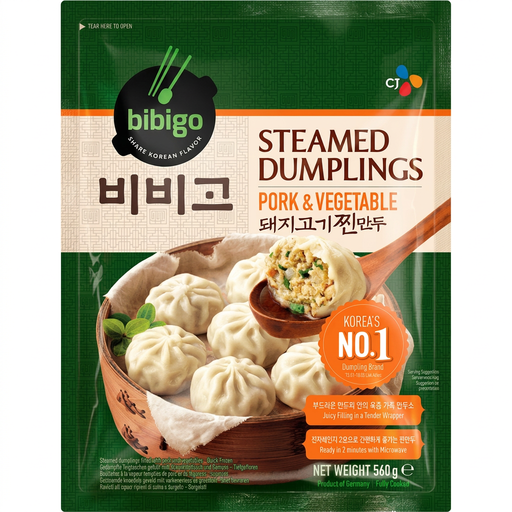
Why This Fits Their Persona: A larger 560g pack suits shoppers who want Korean-style steamed dumplings for sharing or several convenient meals.
The listed ingredients show pork, vegetables and kimchi, while the allergen advice flags gluten, soya, fish and molluscs.
560g net weight; pork and vegetable filling; designed to be frozen and pan-fried.
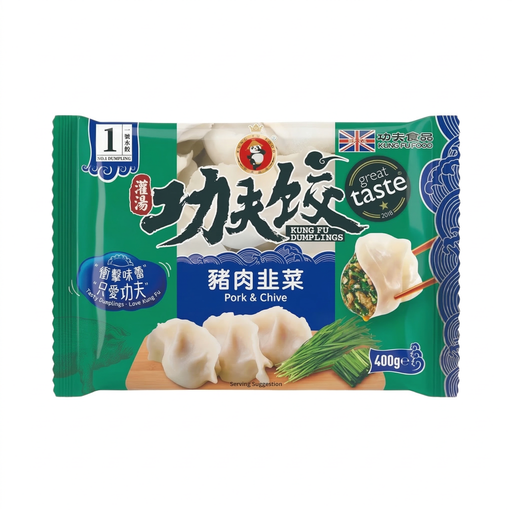
Why This Fits Their Persona: Suitable for households that regularly rotate between steaming, boiling and pan-frying, with detailed instructions for each method.
The 400g product gives clear cooking timings, helping prevent undercooked filling or wrappers that split from excessive boiling.
Pork and spring onion filling; cooking from frozen; suitable for three common preparation methods.
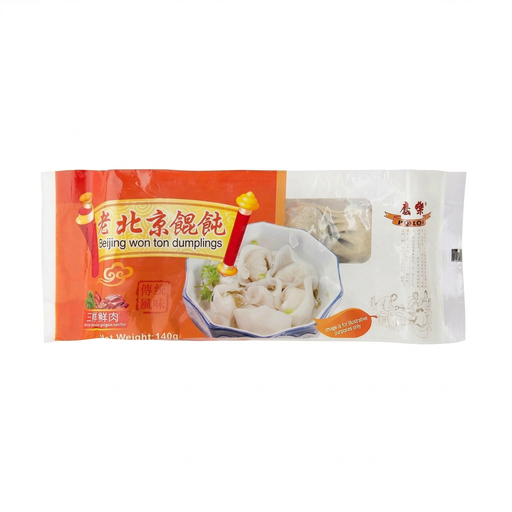
Why This Fits Their Persona: The compact pack is convenient for a single serving in clear soup, as a quick supper or alongside noodles.
It is clearly identified as a wonton product, rather than a generic dumpling, and the filling and allergen list specify pork, prawn, egg and soya.
140g pack; thin wonton wrapper; suitable for soup or dry-tossed serving.
We have compiled a complete, real-time list of products that fully satisfy these strict selection criteria and UK safety regulations.
Before placing an order, check that:
Serve with soy-based dipping sauce, black vinegar, chilli oil, spring onion or a simple broth. For a more balanced meal, add pak choi, broccoli, edamame or other vegetables.
Cooking times vary by size and product. Common guidance is around 5–8 minutes for boiling, 8–12 minutes for steaming and approximately 8–10 minutes for covered pan-frying. Always follow the instructions on the specific packet and cook until the filling is thoroughly hot.
Many products are designed to cook from frozen, including several dumplings and wontons listed above. However, not every preparation method has the same instructions. Check the packaging before cooking, as some products may recommend defrosting for pan-frying.
Use the best-before information printed on the packaging and keep the freezer at -18°C or below. Once opened, seal the remaining product securely, cook it promptly where instructed and do not refreeze dumplings that have thawed.