
24/7 Customer Support

Free returns

Same-day & Next-day Delivery

Quality Guaranteed

Unlock Your Welcome Offers: FREE Delivery | Up to 80% OFF | Free 30-day JoyPlus trial
Download the APP
A bag of frozen Chinese dumplings in the freezer promises a quick, comforting and delicious meal. Whether boiled, steamed or pan-fried to a crispy finish, they are a staple for many UK households, from students needing a fast dinner to families wanting an authentic taste of East Asia. However, the growing popularity has flooded the market, and not all frozen dumplings are created equal. It is easy to be disappointed by lacklustre fillings or wrappers that turn to mush.
As a Joybuy Product Recommendation Officer, my role is to help you navigate the options. This guide cuts through the marketing jargon, highlighting common pitfalls and explaining the key factors to look for, ensuring your next purchase of ready to cook dumplings is a satisfying one.
Navigating the freezer aisle or online stores can be tricky. Here are three frequent issues that can lead to a disappointing meal.
Many brands claim to offer a "restaurant-quality" or "authentic" experience, but the reality can be a bland, one-dimensional flavour. This often happens when the filling is under-seasoned or relies heavily on a single, overpowering ingredient like cabbage, masking the taste of the protein. The wrapper texture is another common point of failure; a wrapper that is too thick or doughy can overwhelm the delicate filling, a far cry from the balanced bite you expect.
Have you ever bitten into a pork dumpling and found the filling to be strangely soft and lacking in texture? This is often due to a low percentage of the main ingredient, which is bulked out with cheaper fillers like textured soy protein, excessive vegetables or starches. Always check the ingredient list for a Quantitative Ingredient Declaration (QUID), which tells you the exact percentage of key ingredients like pork or prawn. A low number is a clear indicator of a product that prioritises cost over quality.
The integrity of the dumpling wrapper is crucial. A poorly made wrapper can ruin the entire experience. Some fall apart the moment they hit boiling water, leaving you with a pot of meaty soup. Others become unpleasantly soggy when steamed or refuse to crisp up when pan-fried. This is a common issue that separates well-crafted dumplings from mass-produced, inferior options.
To avoid these traps, focus on a few objective details that reveal the true quality of the product.
The heart of any dumpling is its filling. Look for a high percentage of the named protein (e.g., pork, beef or prawn) on the ingredient list. For example, a quality pork and chive dumpling should list pork as one of the first ingredients with a clear percentage. Fillings that list "pork (25%)" are generally more substantial than those with vague descriptions or lower quantities. This transparency is a good sign of a brand's commitment to quality.
Different dumplings are designed for different cooking methods, and the wrapper is key.
A shorter, more recognisable ingredient list is often a good sign. Authentic recipes rely on quality meat and vegetables, seasoned with staples like ginger, spring onion, soy sauce and sesame oil. While flavour enhancers are common, an excessively long list of stabilisers, emulsifiers and artificial flavourings can indicate that the product is compensating for lower-quality core ingredients.
Based on these criteria, here are a few recommendations tailored to different needs and preferences.

Why This Fits Their Persona: The combination of savoury pork and sweet corn is a crowd-pleaser, making it an excellent choice for families with children or those who prefer a milder, sweeter flavour profile. They are quick to cook and highly versatile.
This product avoids the "bland filling" trap by using sweet corn to provide natural sweetness and texture, creating a more interesting bite than a simple cabbage filler. The wrapper is robust enough for boiling or pan-frying.
The sweet and savoury flavour profile has wide appeal. The dumplings are suitable for boiling, steaming or pan-frying, offering great flexibility for quick weeknight meals.
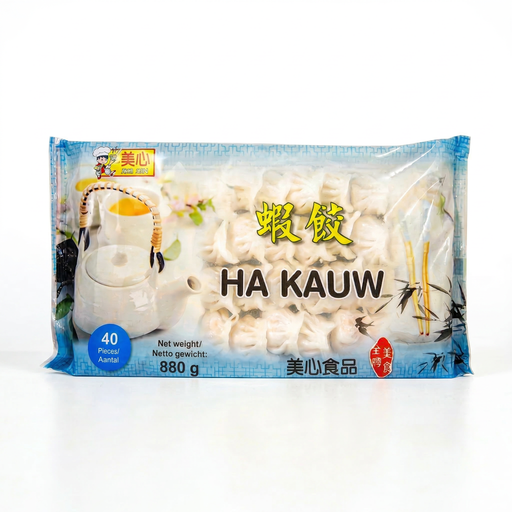
Why This Fits Their Persona: For those seeking to replicate the authentic yum cha experience at home, these are classic Cantonese-style prawn dumplings (*har gow*). They are specifically designed for steaming to achieve the hallmark translucent skin and juicy filling.
This product avoids the "wrapper breakdown" pitfall by using a specific wheat starch wrapper intended only for steaming. This creates the correct chewy, translucent texture, unlike all-purpose wrappers that can become soggy.
These are authentic *har gow* style frozen prawn dumplings. The filling combines juicy shrimp with bamboo shoots for a classic texture and flavour, providing a genuine dim sum experience.
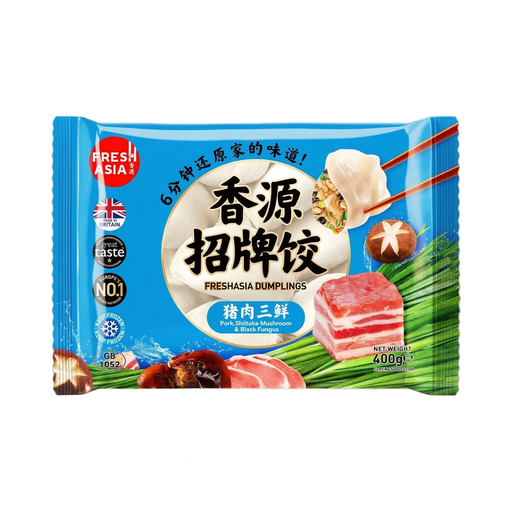
Why This Fits Their Persona: For those who have mastered the classics and want to explore more complex flavours, this dumpling offers a sophisticated filling. The earthy shiitake and chewy black fungus create a rich texture and deep umami flavour.
This product avoids the "filler trap" by using flavourful, textural ingredients like shiitake mushroom (3%) and black fungus (5%) instead of just bulking with cabbage. The **QUID** clearly states a pork content of 23%.
It offers a complex, savoury filling with varied textures. The inclusion of dried shrimp, shiitake and black fungus provides a deep, multi-layered umami flavour not found in standard dumplings.
We have compiled a complete, real-time list of products that fully satisfy these strict selection criteria and UK safety regulations.
This is a common question about how to cook frozen dumplings. For pan-frying, use a non-stick pan and ensure the oil is hot before adding the frozen dumplings. Don't overcrowd the pan. After browning the bottoms, add about 1cm of water and cover immediately to steam them. For boiling, use a large pot with plenty of rapidly boiling water and stir the dumplings gently right after you add them to prevent them from settling and sticking to the bottom.
While both are very similar, the main differences are in the wrapper and preparation. Japanese frozen gyoza typically have a thinner wrapper and are almost always pan-fried, resulting in a crispy bottom and steamed top. Chinese dumplings (jiaozi) have a slightly thicker, chewier wrapper and are commonly boiled or steamed as well as pan-fried.
Yes, an air fryer is a great way to get a crispy, less oily result. Lightly spray or brush the frozen dumplings with oil. Place them in a single layer in the air fryer basket, ensuring they don't touch. Cook at around 190°C for 8-12 minutes, shaking the basket halfway through, until they are golden brown and cooked through.