
24/7 Customer Support

Free returns

Same-day & Next-day Delivery

Quality Guaranteed

Unlock Your Welcome Offers: FREE Delivery | Up to 80% OFF | Free 30-day JoyPlus trial
Download the APP
Frozen Chinese dumplings can turn a busy evening into a filling meal with minimal preparation. They suit students, families, back-to-school routines and anyone who enjoys Asian frozen food at home. However, attractive packaging does not always tell you how a product should be cooked, what the filling contains or whether it suits your household.
This guide explains the details worth checking before buying frozen Chinese dumplings, from filling percentages and allergens to cooking methods and freezer storage.
Words such as “traditional”, “handmade” or “restaurant-style” can sound appealing, but they do not explain the actual contents. Compare the quantitative ingredient declaration, where available. For example, some products list pork at 23–25%, while beef dumplings in this range list beef at 30%. The filling balance can affect flavour, texture and how substantial the dumplings feel.
Chinese dumplings commonly contain wheat, soya and sesame, even when the main filling is meat or vegetables. Prawn dumplings may also contain crustaceans, while Shanghai-style wontons can contain egg and milk ingredients. Always read the current packaging, particularly when cooking for children or anyone with a food allergy.
Most ready-to-cook dumplings should be cooked directly from frozen, but instructions vary. Some buns require thawing before steaming, while raw dumplings must be cooked thoroughly before serving. Do not eat raw frozen dumplings, and do not refreeze them after thawing. Check whether the pack is intended for boiling, steaming, pan-frying or use as hot pot ingredients.
Decide whether you want pork dumplings, beef dumplings, chicken dumplings, prawn dumplings or vegetable dumplings. Pork and Chinese leaf varieties offer a familiar savoury profile, while pork and sweet corn may suit shoppers who prefer a slightly sweeter filling. Beef and pickled pepper dumplings provide a hotter flavour, whereas chicken and mushroom dumplings offer a milder combination.
Also consider the format. Jiaozi-style dumplings are suitable for boiling, steaming or pan-frying. Frozen wontons usually have thinner wrappers and work well in clear soup. Chinese buns have a softer, yeast-based wrapper and are generally steamed rather than boiled.
For boiling, frozen dumplings commonly take around 6–8 minutes, although the exact time depends on size and filling. Steaming may take approximately 10–12 minutes. Pan-frying normally combines frying with a small amount of water and covered cooking, helping the base brown while the wrapper cooks through.
Use the instructions on the individual pack rather than relying on general timings. A product supplied with a soup base, such as spicy pork dumplings, may need separate preparation after the dumplings have been boiled.
Most products should be kept at -18°C or below until the best-before date. A 400g bag is practical for a quick family meal, while a 140g wonton pack may suit one or two portions, a lunch or soup accompaniment.
Nutrition panels can help you compare products without treating one number as a health endorsement. For example, listed energy values in the dumpling range vary from around 172 to 234 kcal per 100g. Salt values also differ, so check the label if you are planning to serve dumplings alongside soy sauce, chilli oil or a salty soup.
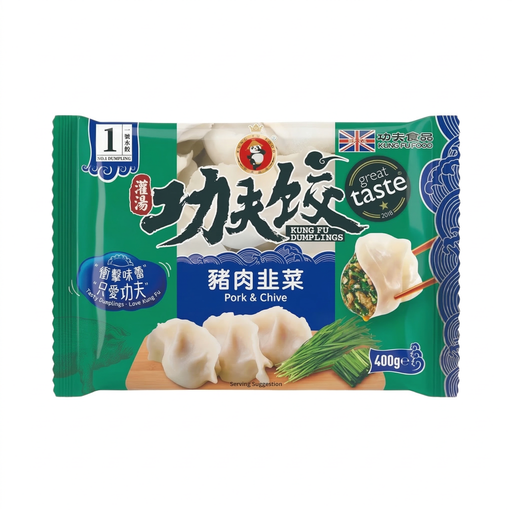
Why This Fits Their Persona: A straightforward 400g option for first-time buyers, students or parents needing a flexible weeknight meal.
The listing clearly identifies pork at 25%, allergens and three cooking methods rather than relying only on flavour-led packaging.
400g pack; suitable for boiling, steaming and pan-frying; cooks from frozen.

Why This Fits Their Persona: Suitable for shoppers looking for a more varied filling combining pork, prawns and black fungus.
The ingredient and allergen details make the presence of crustaceans, wheat, soya and sesame visible before purchase.
400g pack; suitable for steaming, boiling, pan-frying or deep-frying; pork listed at 22% and black fungus at 3%.
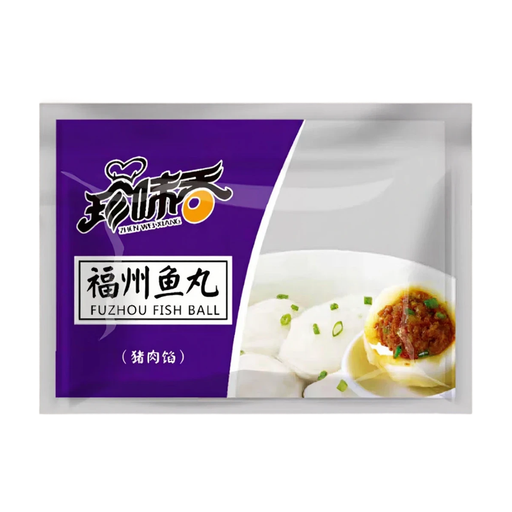
Why This Fits Their Persona: Designed for shoppers who want hot pot ingredients, soup additions or a different format from standard dumplings.
The pack specifies silver carp at 40%, gives a direct-from-frozen cooking method and identifies fish and soya allergens.
300g pack; cooks in boiling water, soup or hot pot for approximately 3–5 minutes, according to the listing.
We have compiled a complete, real-time list of products that fully satisfy these strict selection criteria and UK safety regulations.
Many dumplings are designed to cook from frozen, especially when boiled, steamed or pan-fried. Follow the pack instructions. Some Chinese buns, including certain filled bun products, require thawing before steaming.
Keep them at -18°C or below and use them by the best-before date shown on the packaging. Avoid refreezing after thawing, as this can affect food safety and texture.
They generally require only a pan, steamer or pot of boiling water, so there is no lengthy oven preheating. Cooking time is usually short, but the total cost depends on portion size, cooking method, energy prices and any sides or sauces added.