
24/7 Customer Support

Free returns

Same-day & Next-day Delivery

Quality Guaranteed

Unlock Your Welcome Offers: FREE Delivery | Up to 80% OFF | Free 30-day JoyPlus trial
Download the APP
By Joybuy Product Recommendation Officer
Frozen Chinese steamed buns are a practical option for breakfast, packed lunches, quick snacks and light meals. They can be cooked from frozen, stored for longer than fresh bakery products and served with tea, soup or stir-fried vegetables. However, packaging can make very different products appear similar. A soft mantou bun, a filled bao and a pan-fried shengjian bao each require a different cooking method and suit different occasions.
Before adding frozen Chinese food to your basket, check the filling, preparation instructions and storage information rather than relying on attractive photographs or broad claims about restaurant-style flavour.
Chinese bao buns are not all designed for a bamboo steamer. Shengjian bao and fried buns need a frying pan, oil and water so that the base becomes crisp while the upper dough cooks through. A traditional steamed bun may become damaged or soggy if treated in the same way.
Look for clear wording such as “steam from frozen”, “pan-fry from frozen” or “thaw before cooking”. These instructions affect both texture and food safety.
A large pack does not necessarily mean a large meal. Some products are mainly fluffy wheat dough, while others contain meat, vegetables, custard or sweet paste. Check the ingredient list and any stated percentage.
For example, the FRESHASIA New Orleans Chicken Thigh Bun contains 28.5% chicken, while the KUNG FU Juicy Bao Premier Pork lists 35% pork in the filling. These figures provide a more useful comparison than pack photography alone.
Vegetarian bao buns may still contain wheat, soya or sesame. A mushroom filling can also include gluten-based ingredients such as wheat gluten. Always check the bold allergen declaration and full ingredient list, particularly when buying for children, guests or anyone with a food allergy or intolerance.
Cooking instructions vary across frozen bao buns:
Do not assume that a shorter cooking time applies to every product. Arrange buns with space between them so steam can circulate and check that the centre is hot before serving.
Pack weights range from smaller 225g and 240g options to 480g and 510g family-style packs. A 240g pack may be convenient for one or two people, while a 480g pack can work for family breakfasts or batch snacks.
Some products state the number of pieces, such as the six-piece Sijia Kitchen Pork Fried Buns or the eight-piece Oriental Fortune Chocolate Mantou. Where the number of pieces is not listed, compare net weight and intended use rather than assuming every bun is the same size.
Read the ingredients in order, as those listed first make up the largest proportion of the product. Common allergens in Chinese dim sum include:
Products also vary considerably in salt, sugar and fat. Char siu and sweet custard buns usually have a sweeter profile, while vegetable buns offer savoury alternatives. Nutritional information is provided per 100g, so use the pack weight and serving size to estimate what you will actually eat.

Why This Fits Their Persona: A substantial vegetarian pack for students, flat-sharers or families wanting an easy introduction to frozen Chinese steamed buns.
The 480g pack and stated 10–12-minute steaming method make portions and preparation easier to plan.
Contains bamboo shoots, shiitake mushrooms and gluten; steam directly from frozen according to the listed instructions.
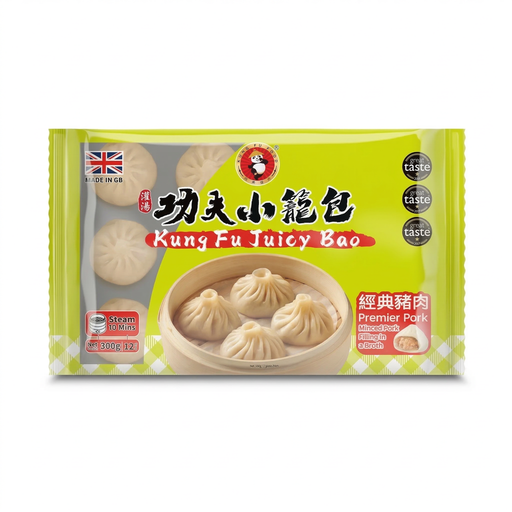
Why This Fits Their Persona: Suitable for shoppers seeking a pork bao with a thinner wrapper and broth-style filling for a more considered dim sum meal.
The listed pork proportion, allergen information and specific 8–10-minute steaming guidance provide useful buying and cooking details.
Lists 35% pork in the filling and a 300g pack size; contains wheat, soya and sesame.
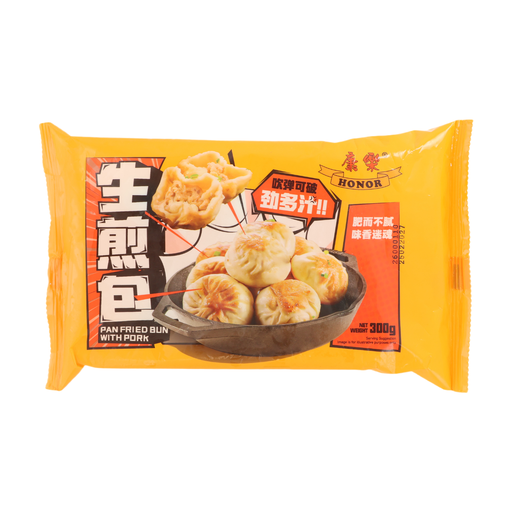
Why This Fits Their Persona: A practical choice for households that prefer a crisp base and can spare a few extra minutes for pan-frying.
Its instructions clearly specify pan-frying from frozen, adding water and covering the pan rather than using a steamer alone.
Designed for a golden base and includes serving suggestions such as vinegar or chilli sauce; contains wheat, soya and sesame.
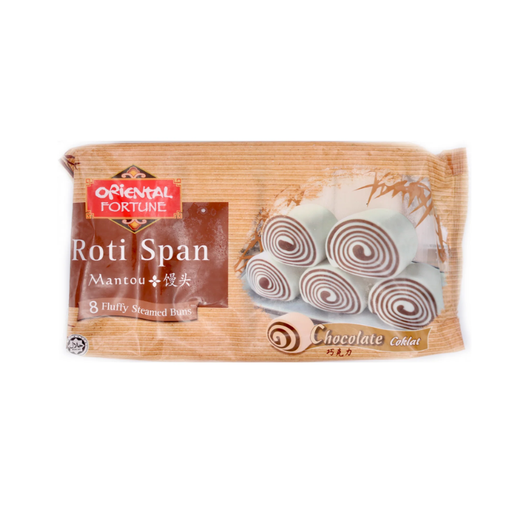
Why This Fits Their Persona: A convenient option for breakfast, afternoon tea or easy Asian snacks without a savoury meat filling.
The pack states eight buns and gives separate steaming, microwave and deep-frying directions, making the format easy to understand.
Chocolate-infused swirled mantou with 360g net weight; the listed allergen is wheat gluten.
Keep frozen Chinese steamed buns at -18°C or below, following the packaging instructions. Avoid refreezing after defrosting. Some products cook directly from frozen, while the beancurd skin and mushroom bun specifically requires thawing before steaming, so check the label each time.
A steamer basket lined with baking paper helps prevent sticking. Do not overcrowd the basket and allow the buns to expand. For meat-filled products, serve only once the centre is thoroughly heated. The chicken bun instructions specify an internal temperature of 75°C; other products state that the core should exceed 70°C.
Serve pork bao buns with black vinegar, chilli oil or spring onion. Vegetarian bao buns pair well with soy sauce and cucumber salad. Plain mantou can accompany soups and stews, while char siu buns work as a sweet-savoury dim sum snack.
We have compiled a complete, real-time list of products that fully satisfy these strict selection criteria and UK safety regulations.
Most filled steamed buns take around 8–15 minutes, depending on size, filling and whether they are cooked from frozen. Mantou products may take less time, while preserved cabbage buns list 15–18 minutes. Always use the package instructions and check that the centre is piping hot.
Some products provide microwave instructions, but not all. Oriental Fortune mantou, for example, can be wrapped and microwaved for around 60–65 seconds, while other filled buns are designed for steaming. Microwave heating may produce a different texture, so use the stated method where possible.
Keep them continuously frozen at -18°C or below until the best-before date shown on the packaging. Once opened or defrosted, follow the product-specific guidance, cook promptly and do not refreeze. Loss of freezer temperature can affect texture and storage time, so avoid leaving the pack out while preparing other food.