
24/7 Customer Support

Free returns

Same-day & Next-day Delivery

Quality Guaranteed

Unlock Your Welcome Offers: FREE Delivery | Up to 80% OFF | Free 30-day JoyPlus trial
Download the APP
A batch of warm, fluffy steamed buns can be a comforting breakfast, a quick lunch or a delightful part of a dim sum spread. The convenience of having quality frozen Chinese steamed buns in your freezer is undeniable. However, anyone who has tried to buy baozi online UK knows that the quality can vary dramatically. It is easy to end up with a disappointing product that doesn't live up to the promise of authentic, homestyle flavour.
As the Joybuy Product Recommendation Officer, my role is to help you navigate the crowded freezer aisle. We will look at the common pitfalls to avoid and the key details to check, ensuring your next purchase brings the taste of a bustling dim sum house right into your kitchen.
The convenience of ready to steam buns can sometimes be overshadowed by quality issues. Many shoppers find themselves disappointed by products that look great on the packet but fail to deliver. Here are two frequent traps to be aware of.
The "Mostly Bun, Barely Filling" Problem: This is a classic let-down. You steam a bun expecting a generous, flavourful centre, only to bite into a mouthful of dough with a tiny pocket of filling. Marketing photos often show buns bursting with ingredients, but the reality can be a sparse, underwhelming core. This is particularly noticeable in both sweet red bean buns and savoury vegetarian steamed buns.
The Texture Tragedy (Soggy or Stodgy): The ideal steamed bun should be light, fluffy and slightly chewy. Unfortunately, many frozen varieties fail to achieve this delicate balance. Poor quality dough or incorrect freezing techniques can result in buns that turn soggy and wet when steamed, or conversely, become dense, hard and stodgy. This completely ruins the experience, regardless of how good the filling might be.
To avoid disappointment, focus on objective product details rather than marketing claims. A quick check of the ingredient list and nutritional information can reveal a lot about the quality you can expect.
This is your most reliable tool against the "sparse filling" trap. UK and EU food labelling regulations require manufacturers to state the percentage of key ingredients. When looking at a pack of frozen bao buns, search the ingredient list for a percentage next to the main filling component.
For example, a product might state "Filling: Red Beans (19%)" or "Bok Choy (33%)". A higher percentage generally indicates a more generous filling-to-dough ratio. If a product doesn't clearly state this, you are buying with less information.
The texture of a bun is determined by its dough. For classic plain buns like frozen mantou, the dough is everything.
Instead of a generic list, we have matched some noteworthy options to different household needs and preferences.
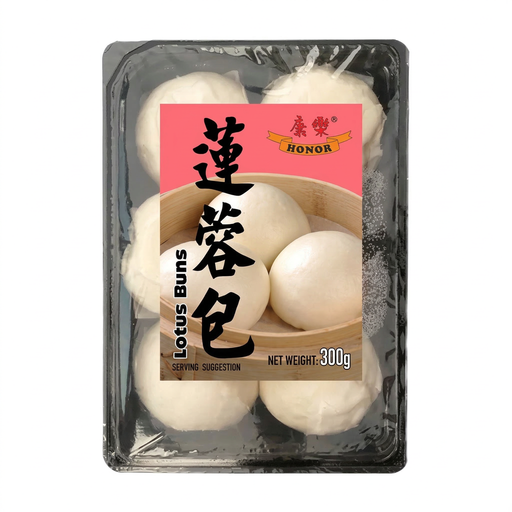
Why This Fits Their Persona: This is for someone who craves the authentic, classic sweet flavours of a Cantonese yum cha. The lotus seed paste bun is a cornerstone of traditional dim sum buns, and this product focuses on delivering that specific, nostalgic taste.
It directly counters the "sparse filling" pitfall by stating a minimum of 25% lotus seeds in the filling. This transparency gives confidence in the product's quality and generosity.
Features a classic, smooth lotus seed paste filling with a moderate sweetness. The yeast-leavened dough provides a soft yet satisfyingly chewy wrapper.
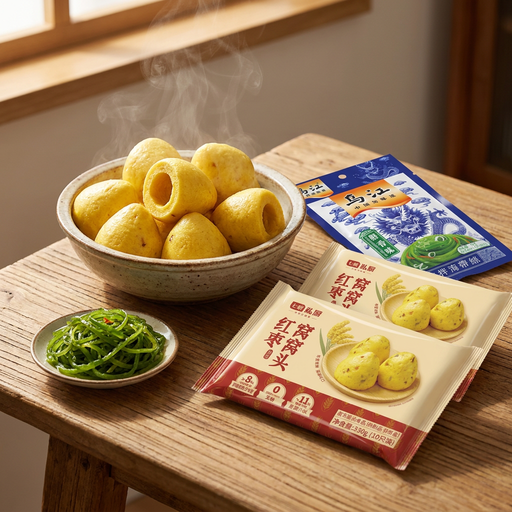
Why This Fits Their Persona: Ideal for those who prefer less processed foods and enjoy the flavour of whole grains. These buns offer a more rustic, wholesome alternative to standard white flour buns, with natural sweetness from red dates.
This product avoids the "texture tragedy" by design. It is not meant to be a super-light, airy bun. Its use of millet flour (≥11%) and corn flour creates a pleasantly dense, hearty texture that steams well without becoming soggy.
Crafted with a blend of wheat, millet and corn flours for a richer, grain-forward flavour. Sweetened naturally with jujube (red dates) and has 0g of salt listed per 100g.
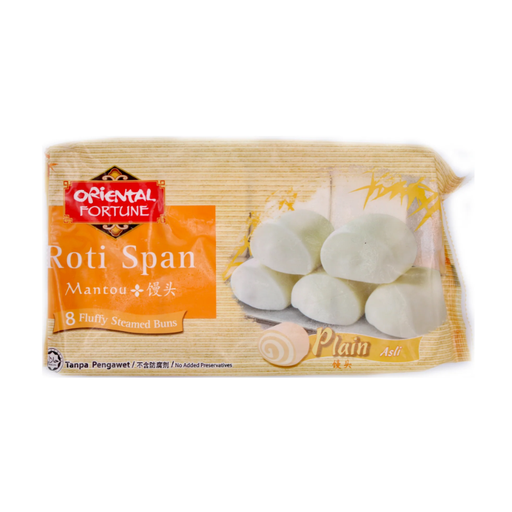
Why This Fits Their Persona: Perfect for busy families or individuals who value flexibility. These plain frozen mantou are a blank canvas. They can be served with savoury stews, used to make sandwiches, deep-fried and drizzled with condensed milk or simply enjoyed as a plain side.
By being a plain bun, it completely sidesteps the "disappointing filling" pitfall. The entire focus is on the quality and texture of the dough, which is soft, pillowy and steams to a consistent finish.
Extremely versatile for multiple meal types. The dough has a subtle sweetness that pairs well with both savoury and sweet accompaniments. A true freezer staple.
We have compiled a complete, real-time list of products that fully satisfy these strict selection criteria and UK safety regulations.
This is a common point of confusion. In simple terms, baozi (or bao) are filled steamed buns, while mantou are plain, unfilled steamed buns. Baozi can have a huge variety of savoury or sweet fillings, such as pork, chicken, vegetables or red bean paste. Mantou are prized for their soft, fluffy texture and are typically served as a staple carbohydrate, similar to bread or rice, to accompany other dishes.
While steaming is the recommended method for the fluffiest texture, many buns can be microwaved for convenience. The packaging will usually provide instructions. A common method is to place the bun on a microwave-safe plate, cover it with a damp paper towel or a microwave food cover and heat it for 1-2 minutes. This helps to create steam and prevent the bun from drying out. However, be aware that microwaving can sometimes result in a slightly chewier or less even texture compared to steaming.
If you have leftover cooked buns, allow them to cool completely to room temperature. Store them in an airtight container or a sealed bag in the refrigerator for up to 2-3 days. To reheat, it is best to steam them again for a few minutes to restore their soft, moist texture. Microwaving is also an option for a quicker reheat.