
24/7 Customer Support

Free returns

Same-day & Next-day Delivery

Quality Guaranteed

Unlock Your Welcome Offers: FREE Delivery | Up to 80% OFF | Free 30-day JoyPlus trial
Download the APP
Frozen Chinese steamed buns are a convenient option for breakfast, packed lunches, snacks and quick family meals. However, the product names can be confusing: Chinese bao buns usually contain a savoury or sweet filling, while mantou buns are generally plain or lightly flavoured. Some frozen bao are designed for steaming, whereas others are intended for pan-frying.
The right choice depends less on attractive packaging and more on the filling, cooking method, storage requirements and portion size. This guide explains what to check before buying and highlights practical options for different UK households.
Not every frozen bun should go straight into a steamer. Pan-fried buns such as shengjian bao require oil, water and a covered frying pan to create a crisp base while cooking the dough and filling. Steaming them instead may produce a softer result and will not deliver the intended texture.
Always check whether the pack says ready-to-steam buns, pan-fry from frozen, microwaveable or suitable for more than one method.
A bun labelled “vegetable” may still contain wheat, soy or sesame. Some vegetarian fillings also include gluten-based ingredients such as wheat gluten. Filled products can contain more salt, sugar or fat than plain mantou, so compare the nutrition panel when choosing regular breakfast or lunch options.
For UK shoppers with allergies, read the bold allergen declaration and full ingredients list on the packaging. Product recipes and packaging information can change, so the label supplied with your order should take priority.
Frozen Chinese dim sum is convenient, but large packs need sufficient freezer space and careful stock rotation. A 960g pack may suit a family, while a 240g or 360g pack can be more practical for a student flat or smaller household.
Keep products at -18°C or below, follow the stated use-by or best-before guidance, and do not refreeze after thawing unless the packaging specifically permits it.
Choose between:
Check the ingredient order if a particular filling matters to you. For example, the Freshasia mushroom and bamboo shoot buns list bamboo shoots at 16%, while the mushroom and bok choy version lists bok choy at 33%.
Cooking times vary according to size, filling and method. Examples in this range include:
A bamboo or metal steamer is useful for regular purchases, but many products can also be prepared in a microwave. Microwave instructions are not interchangeable, so use the stated wattage and timing where provided. Filled meat products should be thoroughly heated, with the centre piping hot before serving.
Pack sizes in this category range from small packs of around 225–300g to family formats of 480g, 510g and 960g. Individual piece counts can also differ considerably. A pack with many small buns may be useful for children’s breakfasts or a buffet, while larger filled buns may work better as a quick lunch.
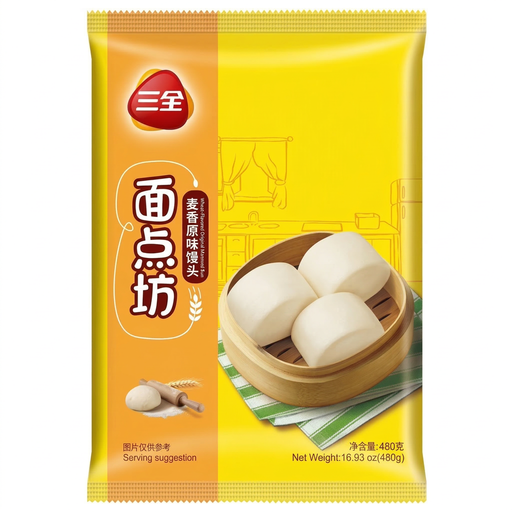
Why This Fits Their Persona: A straightforward pack of wheat mantou buns for shoppers trying Chinese breakfast buns for the first time or stocking a shared freezer.
The product description clearly identifies it as a plain wheat bun rather than a filled bao, helping buyers choose the intended neutral staple.
480g pack; made with wheat flour, water, sugar, sunflower oil and yeast; suitable for breakfast or as a side dish.

Why This Fits Their Persona: Suits dim sum enthusiasts who want a more involved cooking method and a crisp-bottom Shanghai-style snack at home.
The instructions specify cooking directly from frozen in a pan, so buyers are less likely to use an unsuitable steaming-only method.
Six-piece 240g pack; pork filling; pan-frying creates a golden base; cooking method includes a covered steaming stage.

Why This Fits Their Persona: A practical meat-free option for vegetarian households, packed lunches and quick plant-focused snacks.
The ingredient list identifies bamboo shoots, shiitake mushrooms and gluten, while the allergen details flag wheat and soy-related ingredients.
480g pack; savoury vegetable filling; steam from frozen for 10–12 minutes; no meat listed in the supplied ingredients.
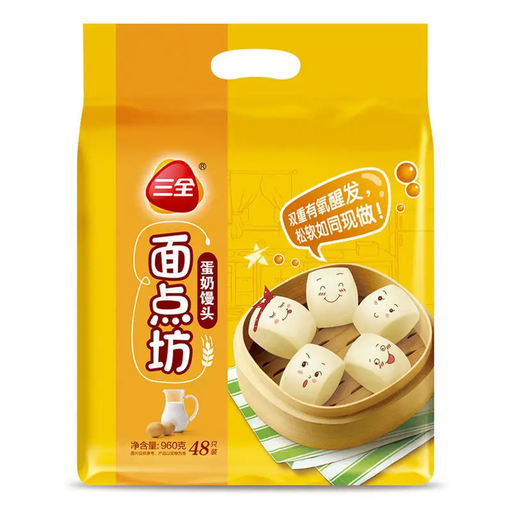
Why This Fits Their Persona: The large pack is suited to families, shared accommodation or anyone planning frequent Chinese breakfast buns.
The listing states the approximate count of 48 pieces, making portion planning clearer than relying on pack weight alone.
960g pack; approximately 48 small buns; milk and egg flavour; steam from frozen for around 8–10 minutes.
We have compiled a complete, real-time list of products that fully satisfy these strict selection criteria and UK safety regulations.
Many plain mantou and smaller buns take around 5–10 minutes in a steamer, while larger filled buns may require 10–15 minutes. Follow the product-specific instructions, as cooking time depends on size, filling and whether the buns are cooked from frozen.
Some products can be microwaved, usually with a damp paper towel or a small amount of water to prevent the dough drying out. Wattage and timing vary, so check the label. Steaming generally gives a softer texture.
Keep them frozen at -18°C or below until the stated best-before date. Once opened or thawed, follow the package guidance. Do not refreeze after defrosting, and discard products with damaged packaging, unusual odour or an unexpected texture.