Couples cooking an anniversary dinner at home
If the fish is the centre of a special meal but reducing fat matters, a plain white-fish fillet lets you choose the seasoning, sauce and sides separately.


For an anniversary dinner where reducing fat matters, plain frozen cod or haddock is a useful starting point: Tesco haddock lists 0.5g fat per 100g, while Sainsbury's oven-cooked cod lists less than 0.5g per 100g. If a dusted or breaded fillet appeals for convenience, compare the exact product's nutrition panel and coating ingredients rather than assuming its name indicates a lower-fat choice. Seasoning and accompaniments can make a plain fillet feel suited to the occasion, but count any oil or sauce as part of the finished meal.
If the fish is the centre of a special meal but reducing fat matters, a plain white-fish fillet lets you choose the seasoning, sauce and sides separately.
Fish species and coatings can change the figures on the nutrition panel. Comparing total and saturated fat per 100g gives you a consistent place to start.
A pre-seasoned or coated fillet may need less preparation. Check its nutrition and ingredient declarations before deciding whether that convenience fits the meal and your guests.
Choose the fish format first, then compare nutrition on the same per-100g basis and plan how you will cook and serve it.
| Priority | What to check | Your needs |
|---|---|---|
| Fat and saturated fat | Compare both figures per 100g, then check the figure for the portion you plan to serve. NHS food-label guidance describes 3g fat or less per 100g as low fat and 1.5g saturated fat or less per 100g as low in saturated fat. | I want to reduce fat without judging a product by the word “fish” or the style of its packaging. |
| Plain or coated fillets | Read the nutrition panel and ingredients for the exact format. Tesco haddock lists 0.5g fat per 100g; a Tesco listing for Young's Gastro sea salt and pepper basa lists 8.0g per 100g after oven baking. | A plain fillet gives me room to choose the seasoning and sides; a ready-coated fillet may save preparation, but I still need to check its fat figure. |
| Cooking and serving | Follow the pack's cooking method and check any oil, butter or sauce added separately. The NHS notes that frying can increase the fat content of fish, particularly when it is battered. | I'd like the dinner to feel like an occasion without overlooking what goes into the finished plate. |
| Guests and handling | Read the current pack for allergens, storage, defrosting and cooking instructions. Coatings can contain ingredients beyond fish: the listed Young's product includes wheat flour and dried skimmed milk. | Before serving guests, I need to know whether the exact product suits them and how to prepare it. |
In the listed examples, Tesco plain haddock has 0.5g fat per 100g, while Young's Gastro sea salt and pepper basa has 8.0g per 100g after oven baking.
Compare total and saturated fat per 100g on each product's current panel, then consider the portion you will serve.
Coated fish has ingredients beyond the fillet. The listed Young's dusted basa includes wheat flour and dried skimmed milk, which matters when checking a meal for guests.
Read the exact pack's ingredient and allergen declarations rather than relying on “lightly dusted” or a product photograph.
Oil, butter and sauce added during cooking or serving affect the finished dish. The NHS also notes that frying can increase fish's fat content, particularly with batter.
Decide on the cooking method and accompaniments alongside the fillet, rather than comparing fish panels in isolation.
Preparation and storage directions are specific to the product, so the dinner plan needs to allow for the instructions on the pack you receive.
Check its current nutrition, allergens, defrosting directions and cooking instructions before preparing it.
These examples show why the product format and its own label matter more to this decision than the brand name alone.
Tesco lists plain frozen white-fish fillets alongside fish in sauce and other frozen-fish formats.
Sainsbury's lists plain cod and other frozen fish, including coated products.
Young's presents its lightly dusted Gastro products as a way to serve coated fish; that description does not establish their fat content.
Birds Eye breaded cod is a coated-fish option in Sainsbury's frozen range.
These plain frozen fish fillets offer starting points for a home-cooked anniversary dinner. Check each current pack's per-100g nutrition before deciding whether it meets your reduced-fat aim.
 No image available
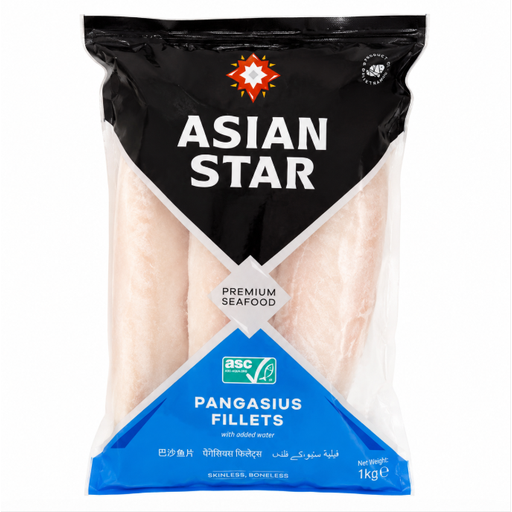
For a plain fish main that you can season yourself, this is a skinless and boneless IQF pangasius option. The named pack gives 1kg total weight and 800g net; check its current nutrition and cooking directions when planning the meal.
 No image available
This pangasius fillet is another plain base for an anniversary dinner, with 1kg total and 800g net stated in its name. Compare the pack's per-100g fat and saturated-fat figures and follow its preparation instructions.
 No image available
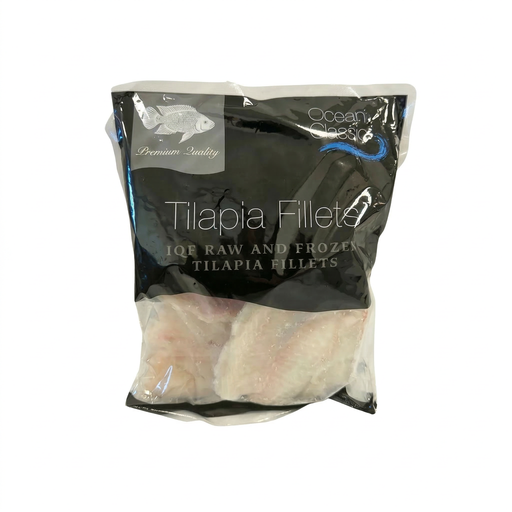
These plain tilapia IQF fillets can be considered for a separately seasoned fish main. The name states 1kg total and 800g net; use the current pack to check nutrition, thawing and cooking directions before serving.
Use the product's total-fat figure per 100g: NHS food-label guidance defines low fat as 3g or less per 100g and low saturated fat as 1.5g or less per 100g. Tesco's plain haddock lists 0.5g fat per 100g, while its plain basa lists 2.3g per 100g, so even uncoated fillets deserve a product-by-product check.
No conclusion about fat follows from that wording alone. Tesco Groceries lists 8.0g fat per 100g after oven baking for Young's Gastro sea salt and pepper basa, compared with 0.5g per 100g for its plain haddock; check the exact product's panel and cooking basis.
If reducing fat is the deciding factor, compare the exact products' per-100g nutrition rather than choosing by species name alone. Sainsbury's oven-cooked cod lists less than 0.5g fat per 100g, but a salmon choice needs its own label checked on the same basis.
Read the pack's cooking, defrosting, storage and allergen instructions for the product you will serve. Coated products can add ingredients beyond fish: the listed Young's dusted basa includes wheat flour and dried skimmed milk.